
What 'Greatest Elongation' Means
In astronomical terms, August 15, 2026, marks the day Venus reaches its 'greatest eastern elongation'. But what does that actually mean for sky-watchers? Since Venus orbits the Sun closer than Earth does, it never strays very far from the Sun in our sky.
We only ever see it for a few hours after sunset (as the 'Evening Star') or before sunrise (as the 'Morning Star'). Greatest elongation is the point in its orbit when it appears farthest from the Sun's glare from our perspective here on Earth. This provides the best window for observation, as the planet lingers in the sky for longer after the Sun has dipped below the horizon, shining brightly in the deepening twilight.
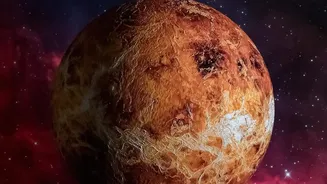
Our Dazzling Twin Planet
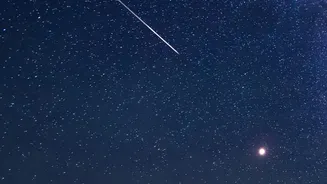
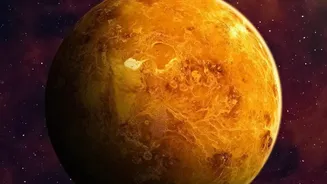
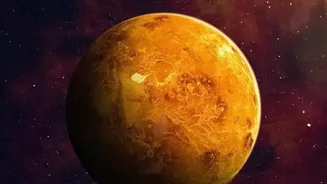
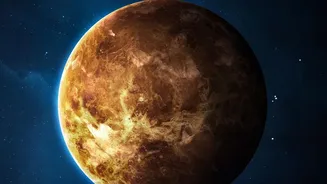
There's a reason Venus is so easy to spot. After the Moon, it is the brightest natural object in the night sky. Often mistaken for an airplane or a very bright star, its steady, silvery light is unmistakable. This brilliance is due to its thick, highly reflective cloud cover, which bounces about 70% of the sunlight that hits it back into space. This makes it shine like a beacon. On the evening of August 15th, it will be exceptionally bright, shining at a magnitude of -4.4, making it impossible to miss if you have a clear view to the west.
How to See Venus on August 15th
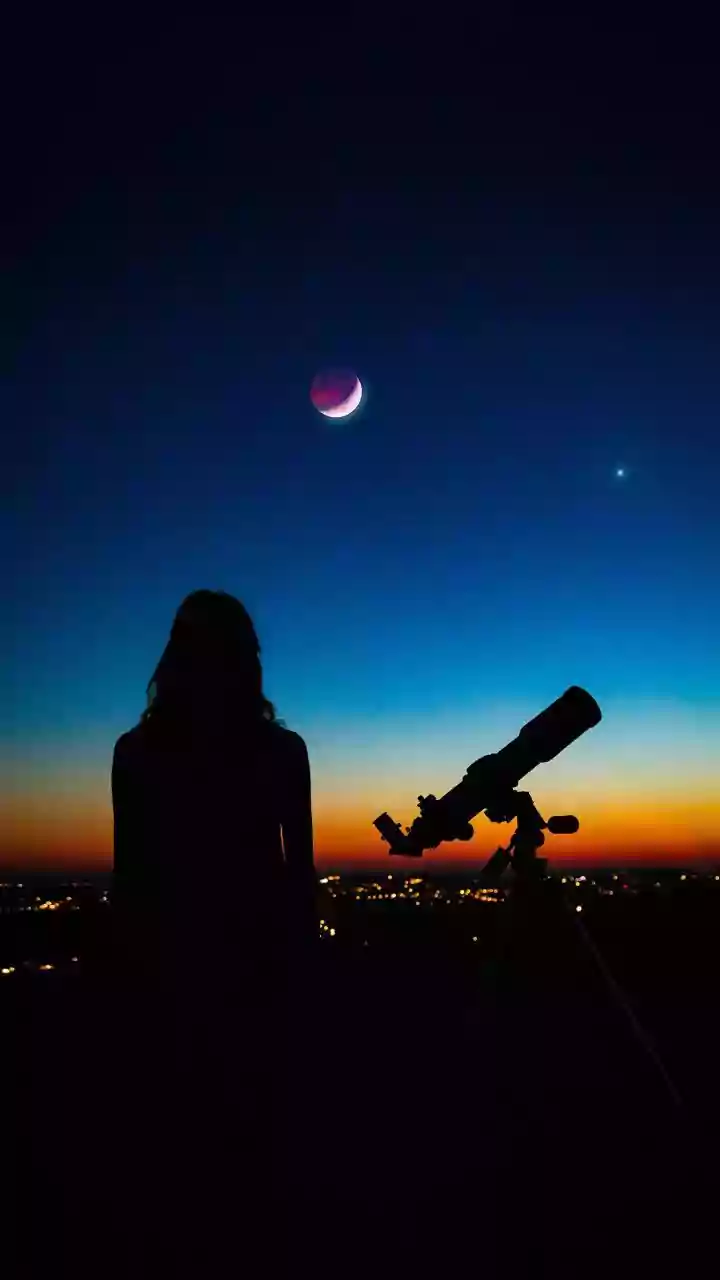
Spotting Venus is wonderfully simple. The key is to look in the right direction at the right time. Shortly after sunset, find a spot with an unobstructed view of the western horizon. As the sky begins to darken, you will see a brilliant, star-like point of light emerge. That’s Venus. For those in Delhi, sunset on August 15th is around 7:00 PM, while in Mumbai and Chennai, it's closer to 7:00 PM and 6:35 PM, respectively. The planet will be high enough above the horizon to be clearly visible for a significant period before it sets, giving everyone ample time to catch a glimpse. You do not need a telescope or binoculars; your eyes are more than enough to appreciate its stunning brightness.
A Perfect Independence Day Treat
The timing of this celestial event offers a unique opportunity for people across India. After a day of Independence Day celebrations, families and friends can gather to witness a quiet, beautiful display in the evening sky. It’s a moment of natural wonder that connects us all. Pairing the national celebrations with a cosmic spectacle adds a special touch to the day, a reminder of the grander universe we are all a part of. The sight of the dazzling 'Evening Star' in the twilight sky can be a peaceful and memorable way to conclude the holiday.
What a Telescope Would Show
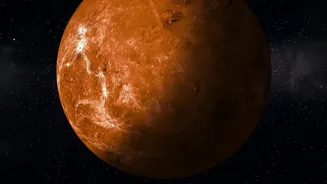
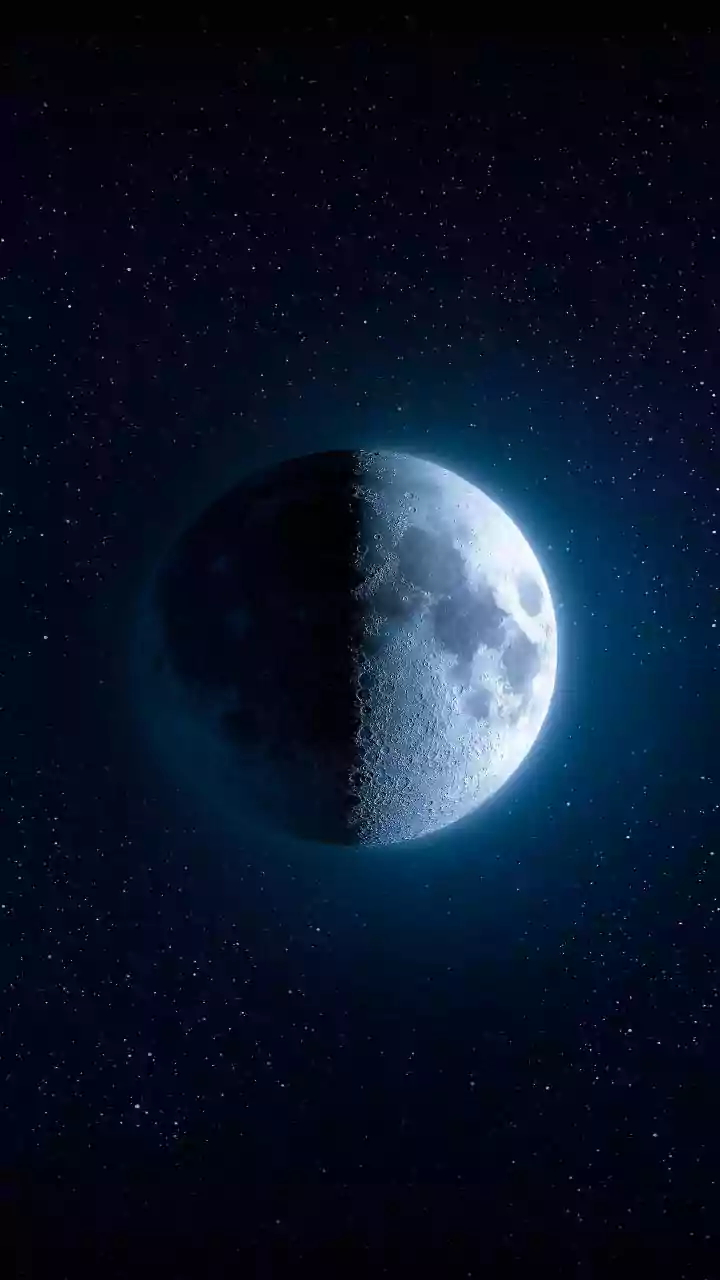
While you don't need a telescope, looking at Venus through one reveals a fascinating detail. Just like our Moon, Venus goes through phases. During its greatest eastern elongation on August 15th, a telescope would show the planet looking like a tiny, perfect half-moon. This is because from our viewpoint on Earth, we are seeing the sunlit side of Venus at an angle. As it continues its orbit over the coming weeks, it will move closer to Earth, appearing larger but thinning into a crescent shape before it disappears into the Sun's glare in October.
More Than Just One Night
If your evening on August 15th is cloudy or you simply miss it, don't worry. While the 15th marks the technical peak of its elongation, Venus has been a prominent fixture in the evening sky for weeks and will continue to be visible through September. Any clear evening in the coming weeks will offer a great opportunity to spot it in the west after sunset. In fact, Venus will actually grow even brighter in our sky through late September before it begins to swing back towards the Sun. So, you have a wide window to enjoy the view and show it to your family and friends.