




The Allure of the 60-Second Solution
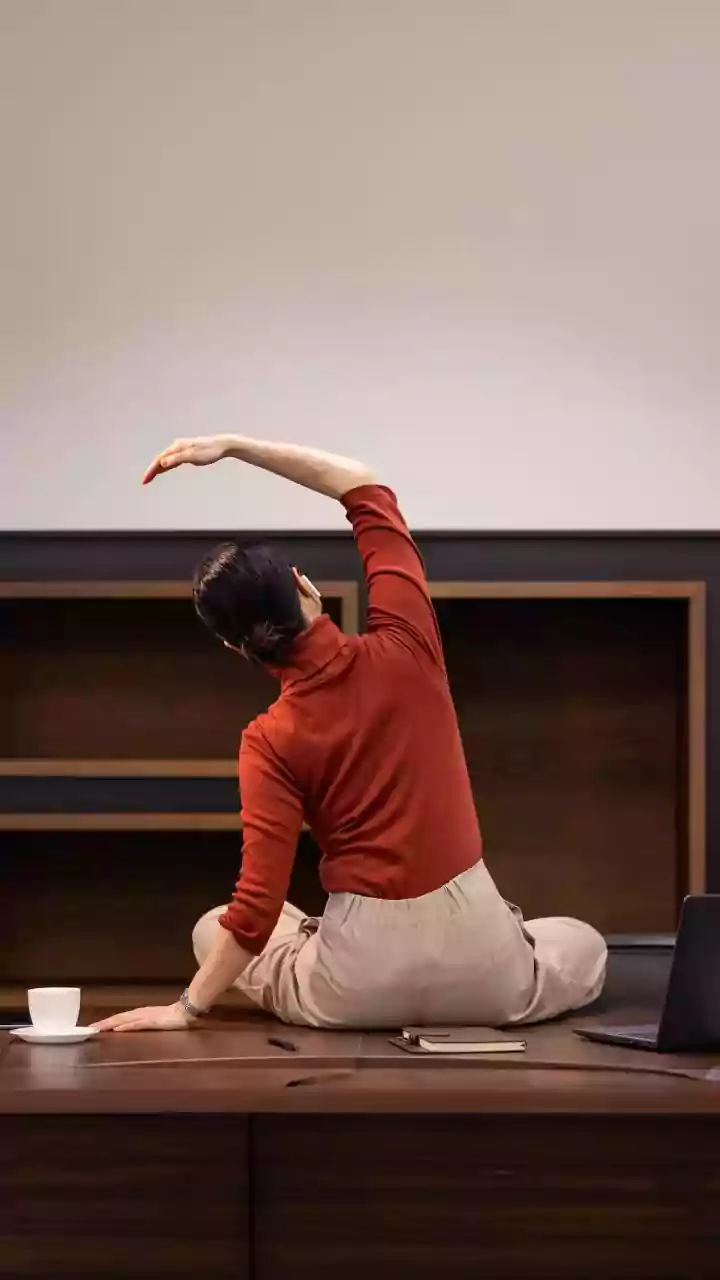
In our increasingly busy lives, finding time for exercise can feel like a monumental task. This is where the concept of 'exercise snacking'—performing short, intense bursts of activity throughout the day—has gained massive popularity. From a quick set
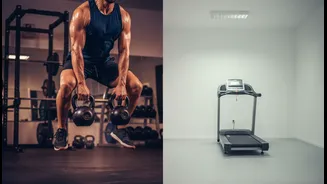
of stairs to a minute of vigorous bodyweight exercises, these micro-workouts promise efficiency and results without the need for a gym or a significant time commitment. The appeal is obvious: they offer a low barrier to entry for people with sedentary jobs or packed schedules, challenging the notion that only long workouts count. This approach makes movement feel more accessible and less intimidating, encouraging more people to break up long periods of sitting.
What Science Says About Short Bursts
It’s not just a social media trend; there is compelling science behind the benefits of these short workouts. Research shows that even brief, intermittent bouts of vigorous activity can lead to meaningful health improvements. Studies have found that 'exercise snacks' can help improve blood sugar control, lower blood pressure, and boost cardiorespiratory fitness, particularly in people who are otherwise inactive. These short bursts of movement have also been linked to enhanced mood, reduced fatigue, and even better cognitive performance. By strategically interrupting long periods of sitting, you can achieve genuine benefits for your metabolic and cardiovascular health.
The Missing Pieces of the Fitness Puzzle
While the benefits are real, relying solely on one-minute workouts means you are missing the bigger picture of comprehensive fitness. The World Health Organization (WHO) provides clear guidelines for adults: 150-300 minutes of moderate-intensity aerobic activity or 75-150 minutes of vigorous-intensity activity per week. A few minutes of exercise snacking a day simply doesn't add up to these recommended volumes. Furthermore, a balanced fitness plan isn't just about getting your heart rate up. It also includes dedicated strength training for all major muscle groups at least twice a week, flexibility work to maintain range of motion, and balance exercises, especially as we age. Over-relying on short, high-intensity bursts can also increase the risk of injury if proper form is neglected and may not provide the same mental health benefits associated with longer, more sustained forms of exercise.
Building a Truly Balanced Routine
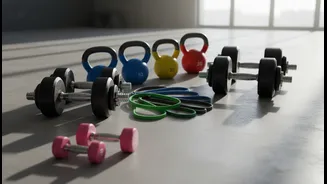
So, what does a balanced weekly plan look like? It’s a blend of different types of activities that work your body in different ways. Start with the WHO guidelines as your foundation. Aim for at least 150 minutes of moderate aerobic exercise like brisk walking, cycling, or swimming, spread throughout the week. Alternatively, you can do 75 minutes of vigorous activity like running or a HIIT class. Then, incorporate at least two days of muscle-strengthening activities. This could be lifting weights, using resistance bands, or doing bodyweight exercises like push-ups and squats. Don’t forget to add activities that improve flexibility and balance, such as yoga or simple stretching. The key is to create a routine that is varied, sustainable, and enjoyable.
Where One-Minute Workouts Fit In
The goal is not to dismiss one-minute workouts entirely, but to position them correctly: they are a supplement, not a substitute. Think of them as a powerful tool in your fitness arsenal. On days when you are genuinely too swamped for a full workout, an exercise snack is far better than nothing. Use them to break up long hours at your desk, which is known to carry its own health risks. A one-minute burst of jumping jacks or climbing a few flights of stairs can re-energise you, improve blood flow, and contribute positively to your overall activity levels. They are an excellent 'and' to your routine, but not an 'instead of'.