

The Powerhouse Grain
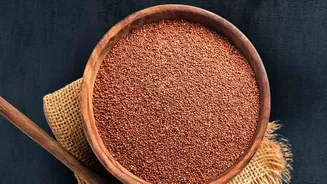
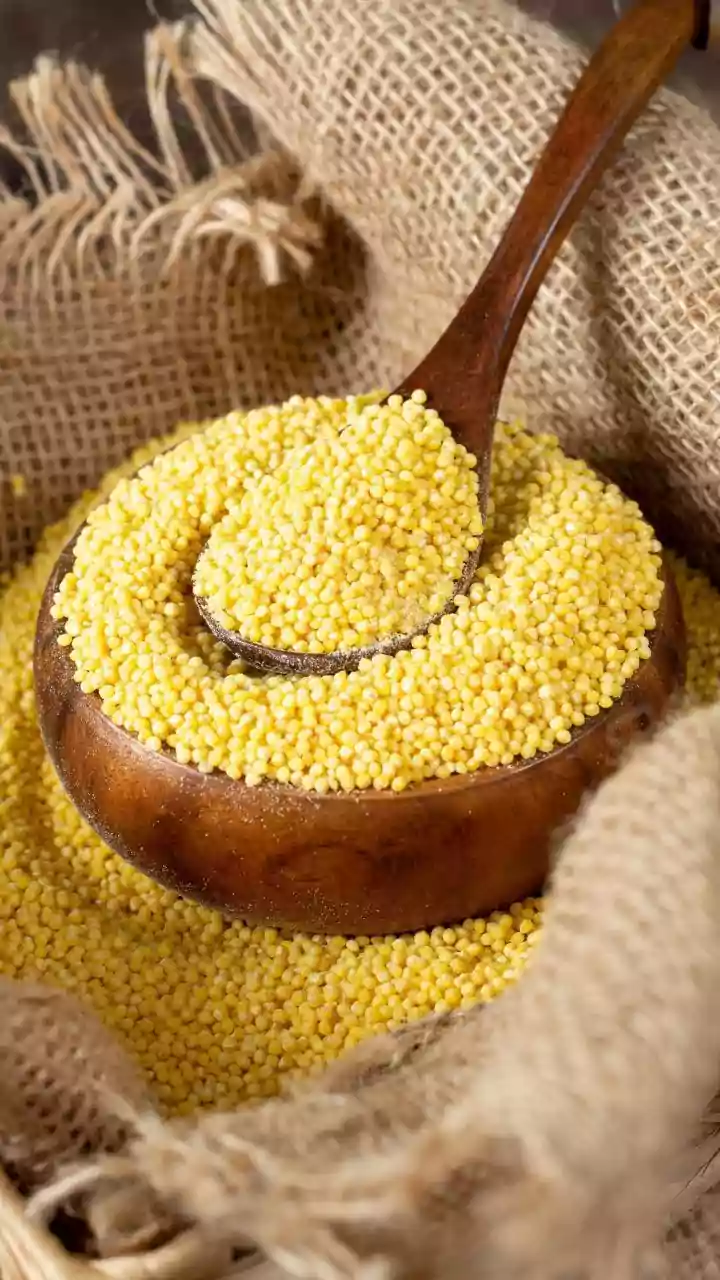
Ragi, or finger millet, is a gluten-free ancient grain that has been a staple in Indian households for generations, especially in states like Karnataka. It is celebrated for its impressive nutritional profile. It is one of the best plant-based sources
of calcium, crucial for bone health in growing children and adults. Additionally, it is rich in iron, which can help in preventing anaemia, and high in dietary fibre, which aids digestion and can contribute to weight management by promoting a feeling of fullness. Its low glycemic index makes it a favourable choice for managing blood sugar levels.
A Crispy Start: Ragi Dosa
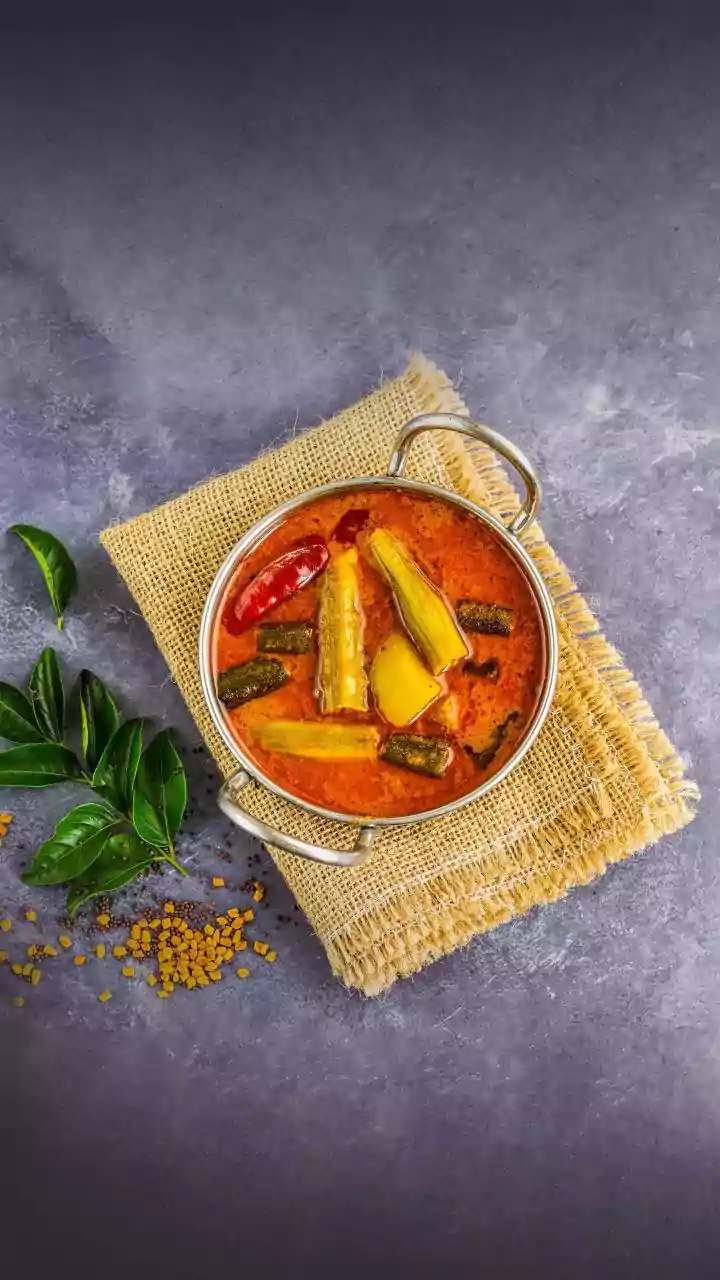
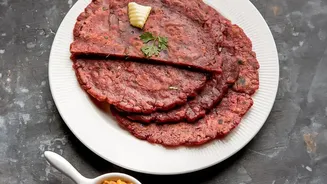
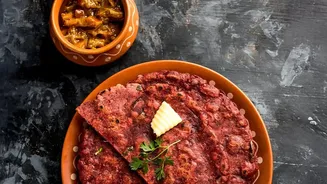
A fantastic alternative to the traditional rice dosa, the ragi dosa offers a crispier texture and a distinct nutty flavour. There are two popular ways to make it: the instant method and the fermented method. The instant version involves mixing ragi flour with rice flour, semolina, and spices to create a thin batter. The fermented version, which yields a softer result, requires soaking and grinding urad dal and mixing it with ragi flour, then allowing the batter to ferment overnight. Served hot with coconut chutney and sambar, it makes for a delicious and highly nutritious breakfast.
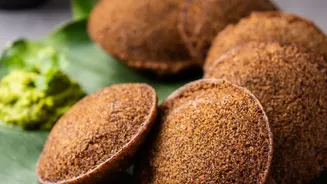
Soft & Spongy: Ragi Idli
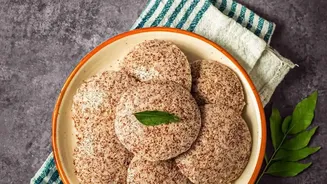
For those who love soft, steamed breakfast dishes, ragi idlis are a perfect choice. By substituting a portion of the rice in a standard idli batter with ragi flour or whole ragi grains, you can create idlis that are not only soft and fluffy but also packed with extra nutrients. The process involves soaking and grinding urad dal and rice (or just urad dal if using ragi flour), mixing it with the ragi, and allowing it to ferment for 8-10 hours before steaming. These dark, wholesome idlis are a great way to introduce the benefits of millet to your family, including toddlers.
Comfort in a Bowl: Ragi Malt
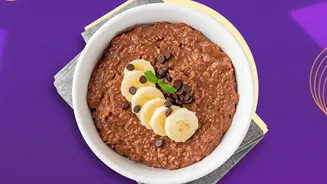
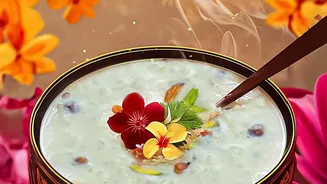
Ragi malt, also known as ragi porridge or ragi kanji, is a versatile and comforting dish that can be prepared in both sweet and savoury versions. To make a sweet porridge, ragi flour is cooked with water or milk until it thickens and turns glossy, then sweetened with jaggery and flavoured with cardamom. The savoury version is cooked with water and then mixed with buttermilk and salt, often with a light tempering of mustard seeds and curry leaves. It's an easily digestible food, making it an excellent choice for a light breakfast or for babies and toddlers.
A Wholesome Sweet: Ragi Halwa
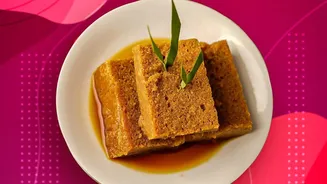
Who said desserts can't be healthy? Ragi halwa is a rich and delicious sweet treat that offers a guilt-free indulgence. This dessert is typically made by roasting ragi flour in ghee until it becomes aromatic. A syrup made from jaggery is then added, and the mixture is cooked until it thickens to a halwa consistency. Garnished with nuts like cashews and almonds, this halwa has a unique, earthy sweetness that is both satisfying and nourishing. It’s a wonderful way to enjoy a traditional sweet while reaping the benefits of finger millet.
Crunchy Snacks: Ragi Cookies and Murukku
Ragi's versatility extends to baked goods and fried snacks as well. Ragi cookies are a popular healthy snack, made by combining ragi flour with wheat flour or besan, a sweetener like jaggery, and ghee or butter. These cookies have a delightful crunch and make for a perfect accompaniment to a cup of tea. For a savoury option, ragi can be incorporated into the dough for murukku (also known as chakli), a traditional spiral-shaped snack. This gives the classic snack a healthier twist without compromising on its crunchy texture.