



What Exactly Is a Shaggy Lob?
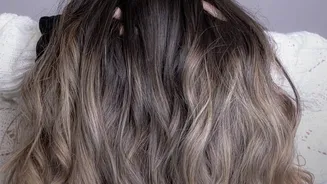
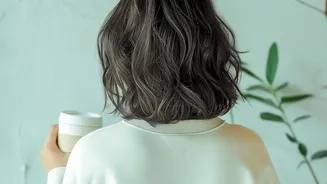
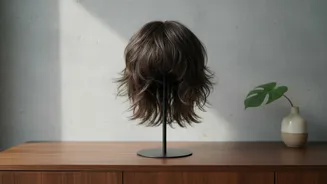
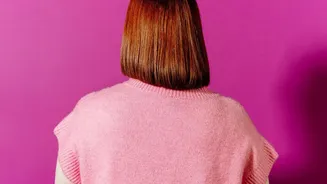
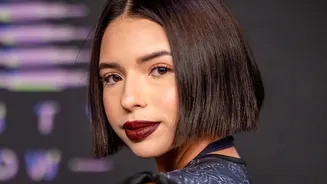
The shaggy lob is a versatile, textured take on the classic long bob. This cut typically sits somewhere between the chin and the collarbone, making it universally flattering. Its defining characteristic is the use of choppy, feathered layers throughout,
which distinguishes it from a blunt, one-length lob. These layers are strategically cut—often with a razor—to remove bulk, create a lived-in feel, and add a rebellious yet soft edge. Many versions feature face-framing pieces or curtain bangs, which add softness and draw attention to the eyes.
The Appeal of Effortless Movement
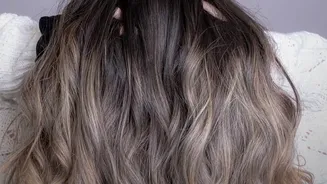
The “movement” promised by the shaggy lob comes directly from its signature layers. Unlike a single-length cut that can sometimes hang heavy, the varied lengths within a shag create natural texture and body. This allows the hair to move freely, giving it an airy and dynamic quality that looks just as good styled as it does air-dried. Celebrities like Halle Berry and Jenna Ortega have demonstrated how these layers provide a flirty, modern style that avoids looking flat or weighed down. It’s a cut that thrives on imperfection, making that “I woke up like this” look genuinely achievable.
Is It Truly Low-Maintenance?
For the most part, yes. The shaggy lob is praised for being a low-effort style. Because it’s designed to look a bit undone, it doesn’t require meticulous daily styling with heat tools. The layers work with your hair's natural texture, whether it's wavy, curly, or straight. Furthermore, the cut grows out gracefully. Unlike a sharp, blunt bob that requires frequent trims to maintain its line, a shaggy lob's textured ends mean you can go longer between salon visits—typically around 8 to 12 weeks. A quick scrunch with mousse or a texturizing spray is often all that's needed to revive the style.
Will the Shaggy Lob Suit You?
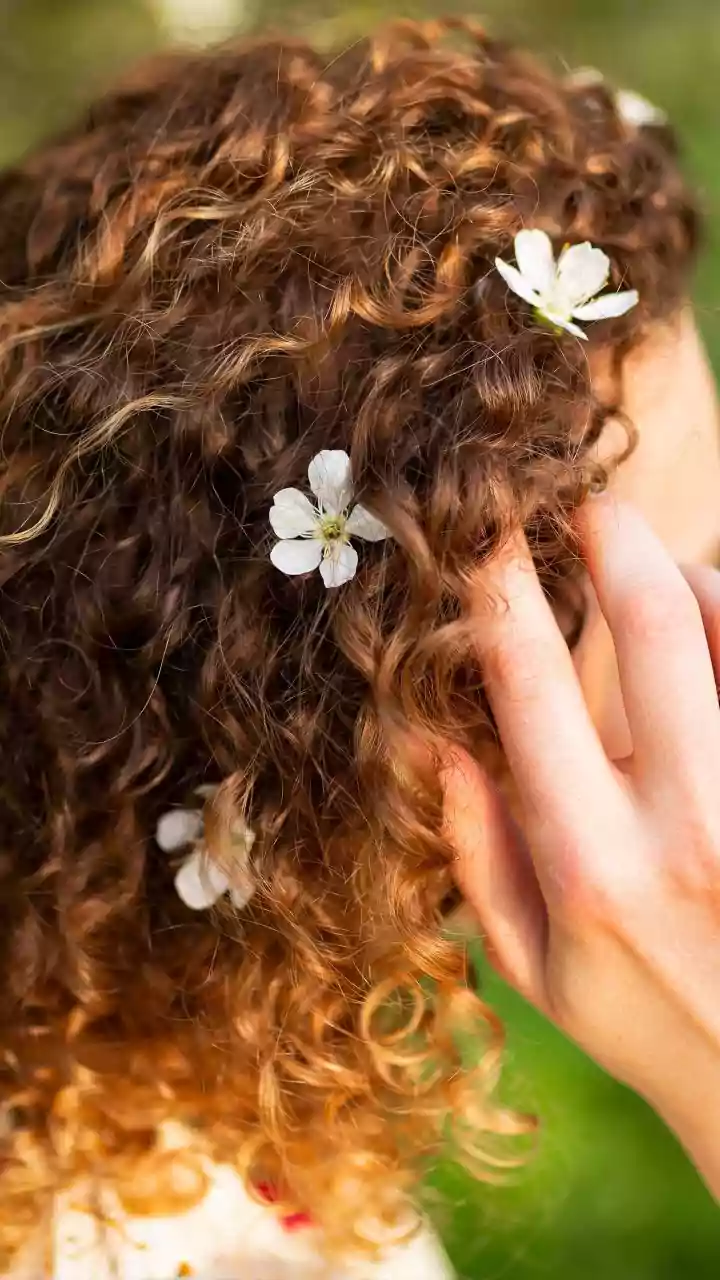
One of the biggest advantages of the shaggy lob is its versatility across different hair types. For those with fine hair, the layers create the illusion of volume and fullness, preventing the hair from falling flat. For thick hair, stylists can use the layers to remove excess weight, making the hair feel lighter and more manageable. It also complements wavy and curly hair beautifully, enhancing the natural pattern and reducing bulk. While it can be adapted for most face shapes, it is particularly flattering for oval and heart-shaped faces, and the addition of curtain bangs can help balance a rounder face.
How to Ask Your Stylist for the Cut
To ensure you walk out of the salon with the shaggy lob of your dreams, communication is key. Instead of just saying “shaggy lob,” provide more detail. Use terms like “textured long bob,” “choppy layers,” and “soft, shattered ends.” It’s always a great idea to bring inspiration photos. Mention that you want a cut that promotes movement and can be air-dried. If you want a softer look, ask for “face-framing layers” or “wispy curtain bangs” that blend seamlessly into the rest of the hair. Specify that you’re looking for a low-maintenance style that doesn't require a perfect finish.
Styling at Home: The Five-Minute Routine
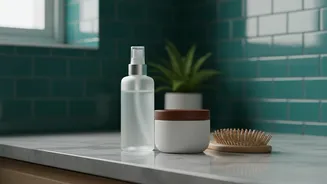
Embracing the shaggy lob is about working smarter, not harder. For an everyday look, let your hair air-dry about 80% of the way. Then, spritz a sea salt or texturizing spray from the mid-lengths to the ends and gently scrunch to enhance texture. If you have fine hair, applying a volumizing mousse to the roots when damp can provide a significant lift. If you do use heat, a quick pass with a curling iron on a few random sections is enough to add definition—the goal isn't uniform curls, but a slightly tousled, lived-in feel. A dry shampoo paste or texturizing powder can also be worked into the roots and ends on second-day hair to revive volume and shape.