






The Sweet Breakdown: What's Inside?
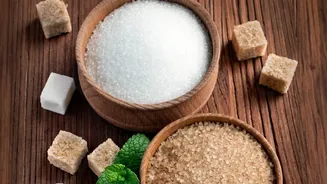
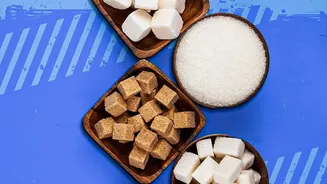
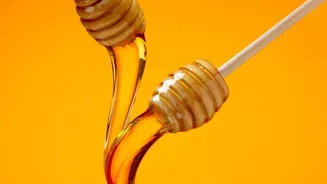
At a chemical level, honey and sugar are close cousins. Table sugar, or sucrose, is made of two sugar molecules bound together: 50% fructose and 50% glucose. Our bodies have to break this bond during digestion. Honey is also primarily made of fructose and glucose,
but these molecules are mostly separate. It typically contains about 40% fructose and 30% glucose, with the rest being water, pollen, and small amounts of minerals and vitamins like potassium and vitamin C. While table sugar offers 'empty calories' with no other nutrients, honey contains trace amounts of these beneficial compounds. However, the amounts are very small; you'd need to consume vast quantities of honey to meet your daily needs for these nutrients.
Blood Sugar and the Glycemic Index
The glycemic index (GI) measures how quickly a food raises blood sugar levels. Here, honey has a slight edge. Table sugar has a GI of around 65, while honey's GI is typically lower, averaging around 58, though it can range from 45 to 64 depending on the variety. This means honey generally raises blood sugar a bit more slowly than sugar does. The higher fructose content in honey is a key reason for this, as fructose is processed differently and doesn't spike blood glucose as directly as glucose does. This small difference might be relevant for those managing blood sugar, but for most people, the impact is modest, and both will cause a significant rise.
Calories and Practical Sweetness
When comparing by volume, a tablespoon of honey has more calories than a tablespoon of sugar — roughly 64 calories versus 49. This is because honey is denser. However, because of its higher fructose content, honey is often perceived as being sweeter than sugar. This can be an advantage, as you might be satisfied using a smaller amount of honey to achieve the same level of sweetness, potentially leading to a net calorie saving. When substituting in recipes, the general rule is to use about three-quarters of a cup of honey for every cup of sugar.
Beyond Sugar: Honey's Potential Perks
The main argument for honey's superiority lies in the extra compounds it contains, especially when it is raw and unpasteurized. Raw honey contains antioxidants, such as flavonoids and phenolic acids, which help protect the body from cell damage. It has also been used for centuries for its natural antibacterial and anti-inflammatory properties. Some research suggests it can act as a prebiotic, supporting good gut health. It's important to note that many of these beneficial enzymes and compounds can be destroyed when honey is heavily processed or heated.
The Bigger Picture: They're Both 'Added Sugars'
Despite the nuances, health authorities like the World Health Organization and American Heart Association view both honey and table sugar as 'added sugars'. An 'added sugar' is any sugar that is added to foods or drinks during processing or preparation, which includes sweeteners like honey, syrups, and table sugar. The main sources of added sugars in the modern diet are sugar-sweetened beverages, baked goods, and sweets. Health guidelines recommend limiting the intake of all added sugars. For most women, this means no more than 25 grams (about 6 teaspoons) per day, and for most men, no more than 36 grams (about 9 teaspoons) per day. Consuming too much from any source can make it difficult to get the nutrients you need while staying within your calorie limits.