






Fatty Fish
Fatty fish like salmon, mackerel, and sardines are celebrated for their high concentration of omega-3 fatty acids, specifically EPA and DHA. These healthy fats are renowned for their potent anti-inflammatory properties. Research suggests that omega-3s
can interfere with immune cells and enzymes that are key players in the body's inflammatory response, which may lead to reduced joint swelling and pain. Some studies have found that people with arthritis who regularly consume omega-3s experience less morning stiffness and joint tenderness. Beyond just symptom relief, some evidence indicates that these fatty acids might also help protect cartilage, the crucial tissue that cushions our joints.
Colorful Berries
Berries such as blueberries, strawberries, and raspberries are more than just a sweet treat; they are packed with antioxidants, vitamins, and minerals that can help combat inflammation. Their vibrant red, blue, and purple colors come from compounds called anthocyanins, which are powerful polyphenols known to reduce inflammatory signals in the body. A large body of research, including numerous randomized trials, supports the role of berries and their anthocyanins in lowering key inflammatory markers. While they aren't a singular fix, consistently including a variety of berries in your diet is a defensible and delicious strategy for nudging inflammation in the right direction.
Leafy Green Vegetables
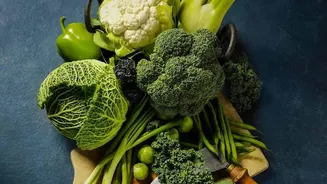
Dark leafy greens like spinach, kale, and broccoli have earned their superfood status for good reason. They are loaded with vitamins, minerals, and antioxidants that support overall health and may help fight inflammation. Specifically, these vegetables are rich in vitamin K and compounds like sulforaphane, an antioxidant that has been shown to help protect cartilage and bones by fighting inflammation. Many greens also provide a good source of fiber, which contributes to a healthy gut microbiome—another factor that plays a role in regulating inflammation throughout the body. Whether you add them to a smoothie, salad, or stir-fry, getting several servings of leafy greens each week is a beneficial habit.
Turmeric
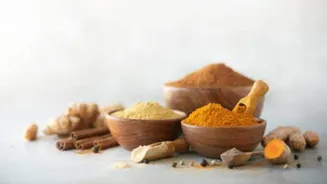
This bright yellow spice, a staple in Southeast Asian cuisine, contains a powerful active compound called curcumin. Curcumin is credited with strong anti-inflammatory and antioxidant properties, and it has been the subject of extensive scientific study for its potential health benefits. Several clinical trials have found that curcumin extracts can reduce pain and stiffness in people with osteoarthritis, with some research suggesting its effectiveness can be comparable to over-the-counter anti-inflammatory drugs like ibuprofen over short periods. It is important to note that curcumin is not easily absorbed by the body. Consuming turmeric with black pepper, which contains a compound called piperine, can significantly enhance its absorption.
Extra Virgin Olive Oil
A cornerstone of the heart-healthy Mediterranean diet, extra virgin olive oil is rich in beneficial compounds. One of these is a polyphenol called oleocanthal, which has been shown to have anti-inflammatory effects that some experts compare to ibuprofen. The polyphenols in extra virgin olive oil are believed to combat inflammation by reducing the activity of enzymes involved in the inflammatory process, potentially helping to ease joint discomfort and swelling. For the greatest benefit, choose high-quality extra virgin olive oil and use it in salad dressings or for sautéing vegetables, as its antioxidant properties are best preserved with minimal processing and heat.
Nuts and Seeds
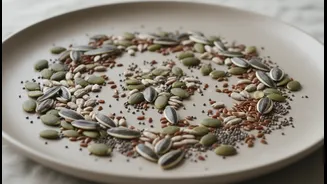
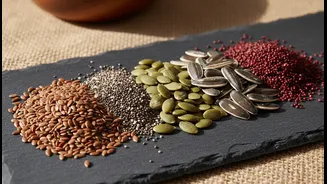
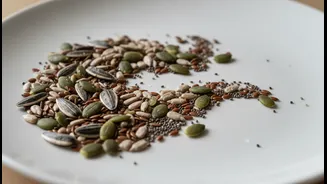
Nuts and seeds are nutritional powerhouses, providing a healthy dose of fats, fiber, and antioxidants. Walnuts, in particular, are a great plant-based source of omega-3 fatty acids, which are known to help reduce the inflammation associated with joint disease. Almonds and other nuts are also rich in healthy fats and antioxidants that help the body fight off inflammation. Similarly, seeds like flax and chia are excellent sources of anti-inflammatory compounds. Incorporating a handful of mixed nuts or a spoonful of seeds into your daily routine is an easy way to support your joint health.