


The Glacier 'Water Bombs'
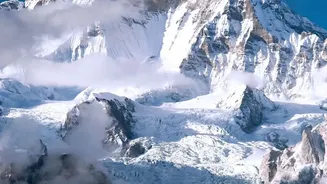
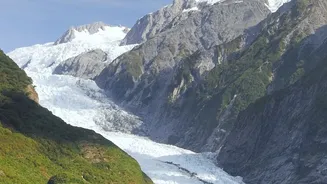
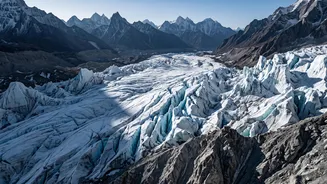
The Himalayas are often called the 'Third Pole' for holding the largest concentration of ice outside the polar regions. But as global temperatures rise, these glaciers are melting at an alarming rate. This creates thousands of new and expanding glacial
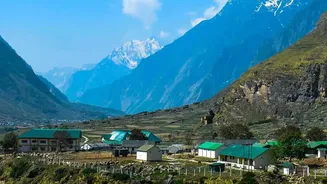
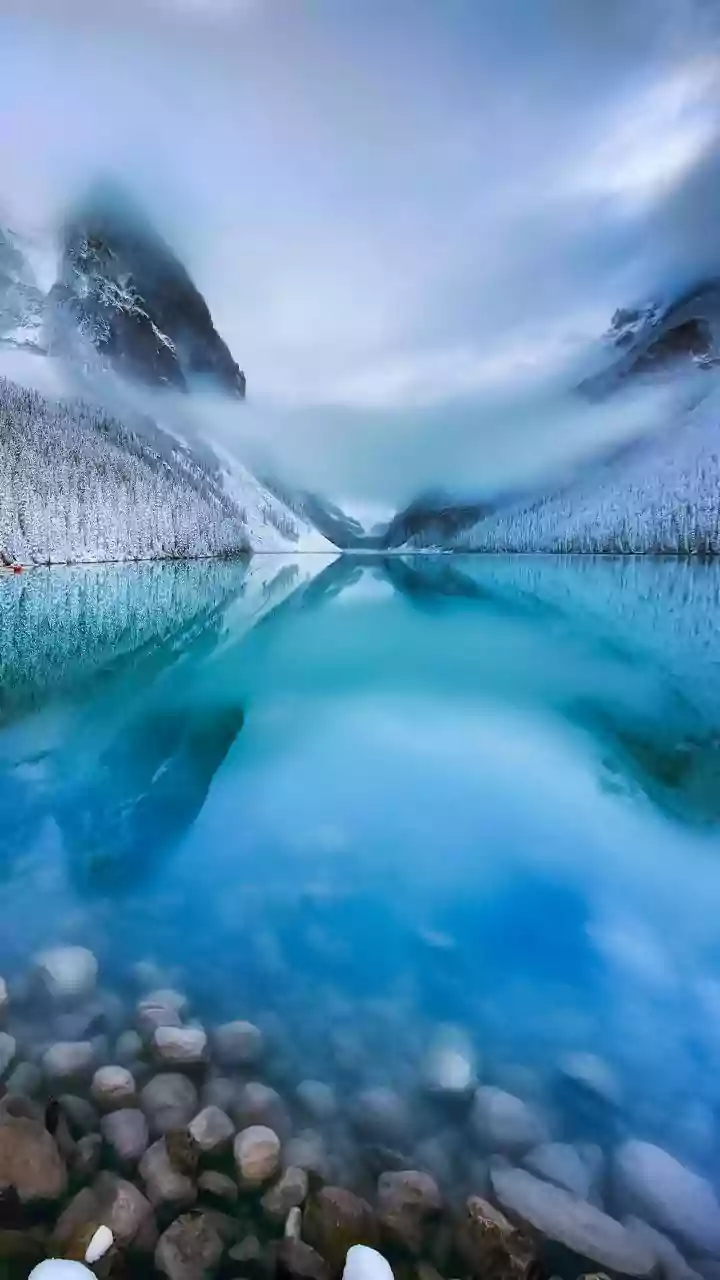
lakes, often dammed by nothing more than unstable mounds of loose rock and sediment called moraines. These are essentially 'water bombs' waiting to go off. When these natural dams fail—due to triggers like an avalanche, heavy rain, or simply the pressure of the growing lake—they can release a sudden, massive torrent of water, mud, and boulders downstream. This event, known as a Glacial Lake Outburst Flood (GLOF), can have catastrophic consequences, wiping out entire villages and infrastructure with little warning.
The Fragility of Young Slopes
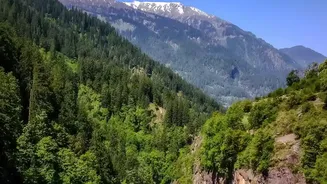
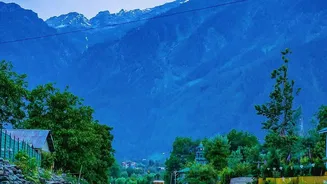
Geologically, the Himalayas are young and active mountains, formed by the ongoing collision of the Indian and Eurasian tectonic plates. This makes their slopes inherently steep, fractured, and unstable. The rock formations are not fully consolidated, rendering them highly susceptible to erosion and landslides. This natural fragility is dangerously amplified by human activity. Widespread deforestation removes tree roots that bind the soil, while unplanned construction of roads and buildings often involves cutting into the base of slopes, removing their natural support and further destabilizing them. When combined with other triggers, these weakened slopes are primed for collapse.
The Power of Himalayan Rivers
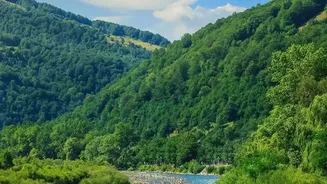
The great rivers originating in the Himalayas are a lifeline for nearly two billion people across Asia, providing essential freshwater. However, during disasters, they become channels of destruction. When landslides occur, they dump enormous quantities of rock, soil, and debris into river channels. This sediment load chokes the rivers, raising their beds and dramatically reducing their capacity to carry water. As a result, when a surge of water comes—either from a GLOF or intense rainfall—the river can easily overflow its banks, causing devastating floods in downstream valleys and plains. This process transforms a standard flood into a much deadlier debris flow, a fast-moving slurry of water and solids that can destroy everything in its path.
The Fury of Intensifying Rain
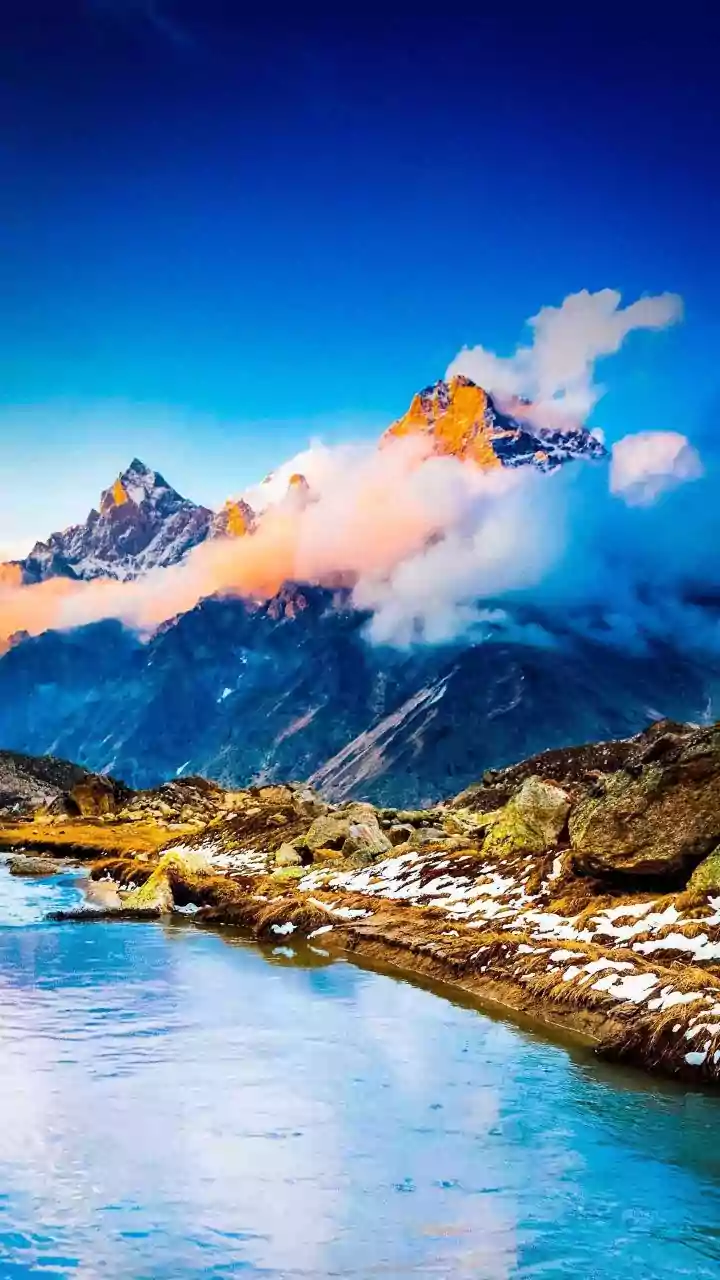
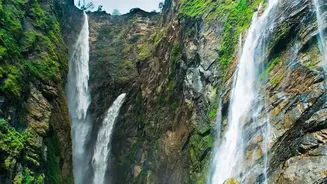
The final ingredient is rain, specifically the intense downpours of the Indian summer monsoon. Climate change is making this rainfall more erratic and extreme. Instead of steady, prolonged showers, the region is experiencing more frequent 'cloudbursts'—sudden, extreme deluges concentrated over a small area. This intense rainfall saturates the already fragile slopes, acting as the primary trigger for landslides. The sheer volume of water overwhelms natural drainage systems, leading to flash floods that can strike with terrifying speed. This extreme rain doesn't just trigger landslides; it can also overfill glacial lakes, leading to GLOFs and contributing to a deadly chain reaction of hazards.
A Cascade of Calamity
Crucially, these four factors do not operate in isolation. They interact in what scientists call a 'cascading hazard'. A single event can trigger a devastating domino effect. For example, a period of intense rain (rain) can saturate an unstable hillside (slopes), causing a massive landslide. That landslide could crash into a glacial lake (glaciers), causing it to burst its dam and send a flood down the valley. The flood then picks up debris from the landslide, transforming the river (rivers) into a destructive debris flow that inundates communities downstream. This compounding of hazards means the destructive consequences are often far greater than any single event would cause on its own, making the Himalayan region exceptionally vulnerable.