






Decoding the Spots on Your Leaves
Those unusual patches on your plant leaves are often a sign of fungal disease, which thrives in moist conditions. Common types include powdery mildew, which looks like a dusting of white powder, and black spot, which presents as dark, circular lesions.
You might also see downy mildew, which appears as yellow spots on top of leaves with fuzzy grey or purple growth underneath. Anthracnose is another culprit, causing dark, sunken spots on leaves and stems. These fungi don't just look bad; they can harm the plant by blocking sunlight and weakening its overall health. Spotting these signs early is the first step to helping your plants recover.
Why Is Your Balcony So Damp?
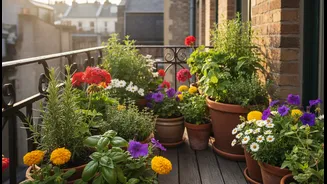
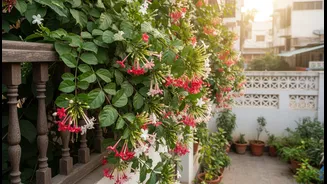
A damp balcony is the perfect breeding ground for fungal spores, especially during India's monsoon season. The primary cause is often a combination of factors. Overwatering is a major contributor; when soil is consistently soggy, roots can't breathe, and the excess moisture creates a humid microclimate. Poor drainage in pots traps water, leading to the same issue. Another key factor is poor air circulation. When plants are crowded too closely together, air can't move freely, trapping moisture and humidity around the leaves and making it easy for fungi to take hold. North-facing balconies or shaded corners that don't get much direct sun are also prone to staying damp.
An Action Plan for a Healthier Balcony
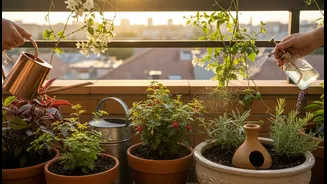
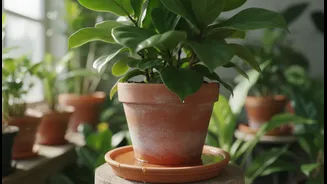
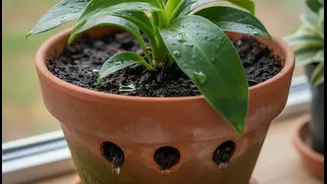
Once you've identified a fungal issue, it's time to act. Start by immediately pruning and safely discarding the affected leaves and stems to prevent the spores from spreading. Do not add this material to your compost. Next, address the root causes of dampness. Improve air circulation by spacing your pots at least a hand's width apart. If possible, move plants to a brighter, breezier spot. Re-evaluate your watering schedule. Water plants at their base in the morning, which allows leaves to dry before nightfall. Before watering, check if the top inch or two of soil is dry to the touch. Ensure every pot has adequate drainage holes to let excess water escape.
Natural and Effective Remedies
For mild infections, several home remedies can be effective. A spray made from baking soda is a popular choice for treating issues like powdery mildew. A common recipe involves mixing one teaspoon of baking soda with a few drops of mild liquid soap in about a litre of water. Neem oil is another excellent organic option, widely used as both a fungicide and pesticide in India. You can mix about 5 ml of neem oil with a litre of water and a drop of soap to help it emulsify, then spray it on the leaves. For these remedies, it's best to spray every 7-10 days and test on a small patch first to ensure your plant isn't sensitive.
Long-Term Prevention Strategies
Preventing fungal outbreaks is always better than treating them. Beyond proper watering and spacing, consider the plants you choose. Some plant varieties are naturally more resistant to fungal diseases. When buying new plants, inspect them for any signs of disease and consider quarantining them for a week or two before placing them with your other plants. During periods of high humidity, like the monsoon, be extra vigilant. Regular inspections will help you catch any problems before they become severe. Applying a preventive spray of neem oil can also help protect your plants during these vulnerable times. By managing the moisture levels on your balcony, you create a healthier environment where your plants can truly thrive.