





Decoding E10 and E20 Petrol
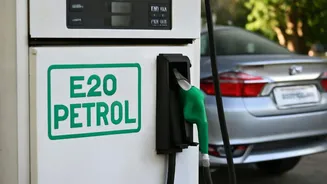
First, a quick primer. The 'E' in E10 or E20 stands for ethanol, a biofuel typically made from crops like sugarcane or maize. The number indicates the percentage of ethanol blended with petrol. So, E10 fuel is a mix of 10% ethanol and 90% petrol. In India,
the government is promoting these blends to reduce reliance on imported crude oil and to lower vehicle emissions. While E10 has been common for some time, the nation is aggressively moving towards E20 (20% ethanol) as the new standard.
The Science Behind the Mileage Drop
The claim of reduced fuel efficiency isn't a myth; it's based on science. Ethanol has a lower energy density than pure petrol. Specifically, ethanol contains about one-third less energy per litre. When you burn a fuel blend with less energy, your engine needs slightly more of it to produce the same amount of power. For E10 fuel, this translates to a theoretical mileage decrease of about 1-3%. The much-cited 3-5% figure is often associated with older vehicles or higher ethanol blends like E20, where the efficiency loss can be more pronounced.
Which Vehicles Are Actually Affected?
This is the crucial point: the negative effects of ethanol blends are not universal. The vehicles most susceptible to both mileage loss and potential component damage are older models, particularly those manufactured before 2008-2011. These cars were often built with materials in the fuel system—like certain rubbers and plastics for seals, gaskets, and fuel lines—that were not designed to withstand the solvent properties of ethanol. Over time, ethanol can cause these parts to degrade, crack, or become brittle. It can also absorb water, leading to potential corrosion in older metal fuel tanks.
Good News for Modern Car Owners
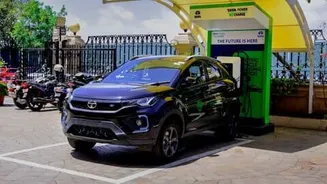
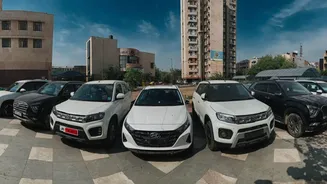
If your car was made in the last 15 years, you can likely breathe a sigh of relief. Most vehicles manufactured since 2011 are designed to be fully compatible with E10 fuel. In India, almost all cars sold since 2008 are considered E10 compliant. Surprisingly, some Maruti models from as early as 2000 are also E10 compliant, as confirmed by their owner's manuals. Furthermore, all new cars manufactured in India from April 2023 onwards are required to be E20 compatible. These modern vehicles have engine control units (ECUs) that can adjust the air-fuel mixture to compensate for different blends, and their fuel system components are made from ethanol-resistant materials.
Practical Steps for Every Driver
For most drivers of modern cars, the efficiency loss from E10 is minimal, often between 1-2%, which is less than the impact of driving style or having under-inflated tyres. If you are concerned, the best course of action is to check your vehicle's owner's manual. It will specify the recommended fuel type. Many newer cars also have a label inside the fuel filler door indicating compatibility with E10 and E20. For owners of vintage or classic cars (pre-2000), it's wise to be cautious. If the manual doesn't approve E10, it may be better to seek out premium fuels with lower ethanol content or use a fuel additive designed to protect the fuel system, if available.