What is the New Safari?
In early October 2026, the administration of Ladakh launched India's first official high-altitude wildlife safari. This initiative, a collaboration between the Snow Leopard and High-Altitude Nature Conservation (SHAN) Society and Ladakh's forest department,
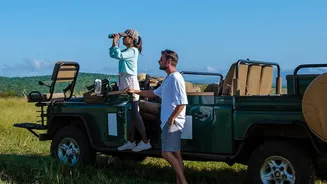
aims to create a more organised and sustainable model for snow leopard tourism. Unlike the informal trekking expeditions of the past, this programme uses a fleet of specially designed safari vehicles, trained local drivers, and wildlife guides. The initial phase focuses on known snow leopard hotspots like Rumbak, Shang, and Uley, with regulated routes to minimise disturbance to wildlife and prevent damage from illegal off-roading. The core objective is to boost the local economy and involve communities directly in conservation.
The Best Time to Go
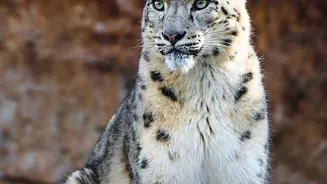
The prime window for spotting snow leopards in Ladakh is during the harsh winter months, from November to March. While this may seem counterintuitive, the heavy snow at higher elevations forces the snow leopards' primary prey, like the bharal (blue sheep), down into the valleys. The leopards follow their food source, bringing them to lower, more accessible altitudes. February and March are often considered the peak of the season, as this is the snow leopards' mating season, making the normally solitary cats more active and vocal. However, successful sightings are consistently reported throughout the entire winter tracking season.
Where the Leopards Are
Ladakh is the snow leopard capital of India, home to an estimated 477 of the country's 718 individuals. Hemis National Park is the epicentre of this population and the primary destination for safaris. Established in 1981, it's India's largest national park and boasts the highest density of snow leopards in the world. Within and around the park, specific areas are renowned for sightings. The Rumbak Valley is a famous hub for snow leopard tourism, with a strong network of community-run homestays. The Ulley Valley, though outside Hemis, is another key location with a dedicated wildlife lodge and a successful community conservation model. The new official safari will operate on approved routes through these productive zones.
What to Expect on Safari
A snow leopard safari is not a typical jeep ride through a forest. It is an active expedition that requires patience and resilience. The core of the experience involves expert local trackers who scan the vast, rocky slopes for hours with binoculars and spotting scopes. Days are spent at lookout points, waiting and watching. While the new initiative introduces vehicles for transport along certain routes, much of the journey is about trekking at high altitudes in extreme cold. Temperatures can plummet to -20 degrees Celsius or lower. Accommodation ranges from comfortable dedicated wildlife lodges to traditional Ladakhi homestays, which offer an authentic cultural experience and directly support the local economy.
Managing Expectations and Ethical Tourism
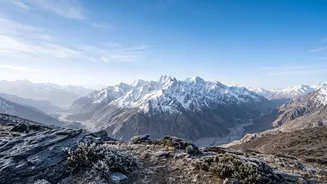
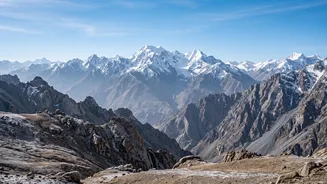
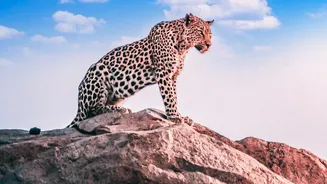
Sighting a snow leopard is never guaranteed. These are incredibly shy and well-camouflaged animals. The journey itself, through the starkly beautiful winter landscape of the Himalayas, is a major part of the reward. Responsible tourism is paramount. This means choosing operators who employ local Ladakhi trackers and guides, as their ancestral knowledge of the terrain and animal behaviour is invaluable. Staying in community-run homestays or eco-lodges ensures that tourism revenue benefits the people who coexist with these predators. Supporting these initiatives helps make a living snow leopard more valuable to a village than a dead one, directly contributing to conservation by funding programmes like predator-proof livestock corrals.
Acclimatisation and Preparation
Proper acclimatisation is non-negotiable. Leh is situated at over 11,500 feet, and it's crucial to spend at least two to three days resting and adjusting to the altitude before undertaking any strenuous activity. Attempting to rush this process can lead to serious altitude sickness. Packing appropriately is also key to a safe and enjoyable trip. This includes multiple thermal layers, a high-quality insulated and windproof outer jacket, waterproof trekking boots, a warm woollen cap, gloves, a muffler, and strong sunglasses to protect against the glare from the snow.