





Two and Three-Wheelers Lead the Charge
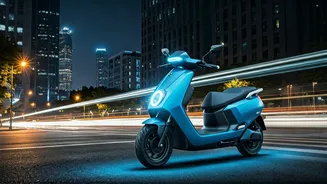
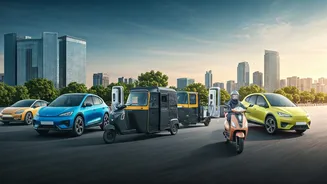
While electric cars often grab the headlines, the real engine of India's EV revolution is the two- and three-wheeler segment. In the 2026 financial year, electric two-wheelers (E2Ws) accounted for nearly 58% of all EV sales. This segment, led by players
like TVS Motor, Bajaj Auto, and Ather Energy, has made electric mobility accessible to the masses. Their dominance highlights a trend unique to India, where practical, affordable urban transport is paramount. Similarly, the electric three-wheeler (E3W) segment, which includes both passenger and cargo vehicles, holds an impressive 29% market share. These vehicles are becoming the backbone of last-mile mobility in cities and towns, with their low operating costs offering a significant advantage over their internal combustion engine (ICE) counterparts.
Growth Moves Beyond the Metros
For years, EV adoption was largely a metropolitan story, concentrated in cities like Bengaluru and Delhi. That is changing rapidly. Tier-2 and Tier-3 cities are now emerging as the new frontiers of EV growth. Recent data shows that EV penetration in Tier-2 cities has been catching up with Tier-1 levels, driven by a combination of factors. Shorter commute distances, better access to home charging, and rising aspirations in smaller urban centers make EVs a practical choice. Cities like Jaipur, Surat, Lucknow, and even Kota are showing significant uptake, particularly in the two-wheeler and passenger three-wheeler segments. This geographic diffusion signals that the EV transition is becoming a truly national phenomenon, not just an urban luxury.
More Choices for Every Buyer
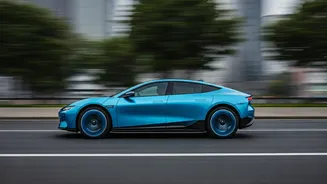
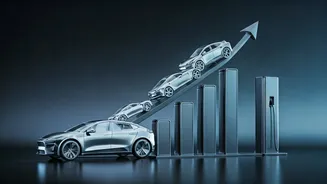
A few years ago, the choices for an Indian EV buyer were limited. Today, the market is flooded with new models across multiple price points. The number of available electric passenger vehicle models has doubled in the last two years and is projected to grow even further. Automakers are launching vehicles in crucial segments, including the sub-Rs. 15 lakh category, making electric cars more accessible to the middle class. The growth is not just in budget vehicles. The market for compact and midsize electric SUVs is also expanding, with models from Tata Motors, Mahindra & Mahindra, and MG Motor leading the sales charts. This widening product portfolio means more consumers can find an EV that fits their needs and budget, a key driver for broader market acceptance.
The Maturing Charging Ecosystem
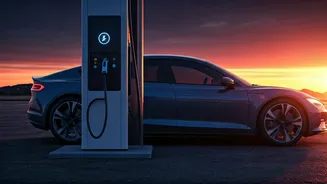
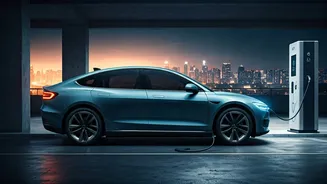
Range anxiety has long been a major barrier to EV adoption. However, significant strides are being made to build out India's charging infrastructure. As of early 2026, India has over 27,000 public charging stations, a number that is growing rapidly thanks to government initiatives and private investment. While still concentrated in metros and along major highways, the network is expanding into smaller cities and towns. Government schemes are supporting the installation of chargers every few kilometers in cities and at regular intervals on highways. Beyond public stations, the ecosystem is diversifying with home charging solutions remaining popular and private operators establishing charging hubs at malls, offices, and residential complexes. This steady improvement is crucial for building consumer confidence and enabling longer journeys, making EV ownership more practical for a larger part of the population.