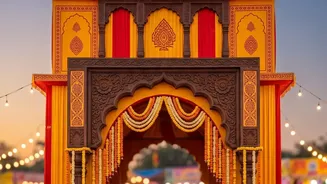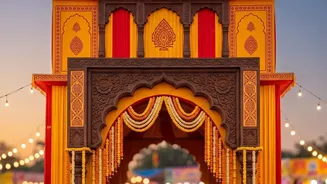




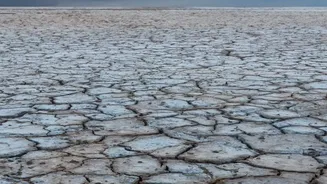

As the vast white salt desert shimmers under the moonlight, Gujarat's Rann of Kutch transforms. The 2026-27 Rann Utsav season, running from November 1 to March 7, is more than a spectacle; it's a feast for the senses.
A Symphony for the Soul
The soul of the Rann Utsav is its
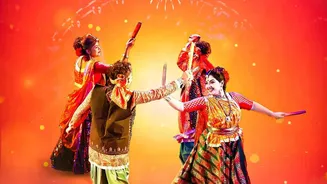
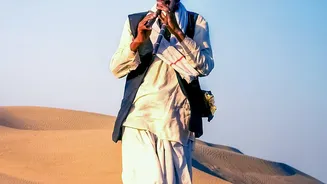
music. As dusk settles over the Tent City in Dhordo, the air fills with the sound of living traditions. Evenings come alive with cultural programmes featuring Kutchi folk artists whose melodies tell stories of the desert landscape, love, and devotion. You'll encounter the stirring sounds of the sarangi and the rhythmic beats of the dhol and dholak. Many performances feature hereditary musicians, such as Langa and Manganiyar artists, who carry musical legacies passed down through generations. These are not formal concerts but intimate gatherings where performers and audiences share a connection. The evening often builds from soulful Sufi tunes and bhajans to the high-energy, circular dance of Garba and Dandiya Raas, where visitors are encouraged to join in. It’s an immersive experience that connects you directly to the region's cultural heartbeat.
The Authentic Flavours of Kutch
The culinary journey at Rann Utsav is as vibrant as its music. The food is predominantly vegetarian, reflecting the region's arid landscape and pastoral culture. Meals are often included in accommodation packages at the Tent City, served buffet-style with a focus on authentic Gujarati and Kutchi flavours. A must-try staple is Bajra no Rotlo, a thick flatbread made from pearl millet, typically served with a generous dollop of white butter, jaggery, and a fiery garlic chutney. For a comforting meal, there's Khichdi and Kadhi, a simple yet delicious combination of rice and lentils with a tangy yoghurt-based curry. Another popular dish is Sev Tameta nu Shaak, a sweet and tangy tomato curry topped with crispy sev (crunchy chickpea flour noodles). Jain meal options are also widely available with advance notice.
Don't Miss the Street Food
Beyond the dining halls, the festival offers a chance to explore the region's famous street food. The undisputed star is the Kutchi Dabeli. Originating in Mandvi, this snack features a sweet and spicy potato mixture stuffed in a soft bun, garnished with roasted peanuts, pomegranate seeds, and sev. You’ll find stalls serving this local delicacy throughout the festival grounds. Another unmissable breakfast or snack combination is Fafda and Jalebi—crispy chickpea flour strips paired with sweet, syrupy pretzels. For a true taste of Kutch, trying these iconic dishes is essential.
More Than a Festival
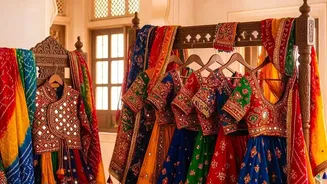
While music and food are central, the Rann Utsav offers a host of other activities. The main attraction is the White Rann itself, a mesmerising salt desert that is especially breathtaking at sunrise, sunset, and on full moon nights. The festival has four full moon periods scheduled for the 2026-27 season. The Tent City also features an activity zone with options like ATV rides, archery, paintball, and ziplining for adventure seekers. You can also shop for exquisite local handicrafts, including handwoven textiles and intricate embroidery, at the craft bazaar, providing a platform for local artisans. Camel cart rides offer a traditional way to explore the vast expanse of the desert. For a panoramic view of the Rann, a trip to Kala Dungar (Black Hill), the highest point in Kutch, is highly recommended.
Planning Your Desert Escape
The Rann Utsav 2026-27 season runs from November 1, 2026, to March 7, 2027. The festival is located at Dhordo in the Kutch district, with the nearest airport and railway station in Bhuj. Accommodation is primarily in the Tent City, which offers various tent options from non-AC tents to premium suites, with packages typically including meals, transfers from Bhuj, and some activities. The full moon nights are extremely popular and tend to get booked out months in advance, so planning ahead is crucial. Special dates to consider include the Diwali week (November 8–14, 2026) and the Christmas to New Year period (December 18, 2026 - January 2, 2027), which are peak visitor times.