



The Foundation of Flavour
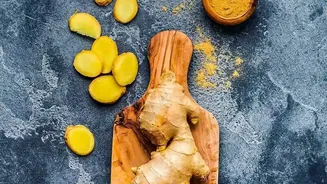
Long before they were trendy, turmeric and ginger were the heart and soul of flavour. For centuries, these rhizomes—underground stems often mistaken for roots—have formed the aromatic base of Indian cuisine. Ginger (Zingiber officinale) offers a pungent,
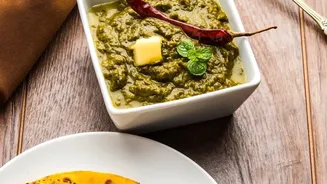
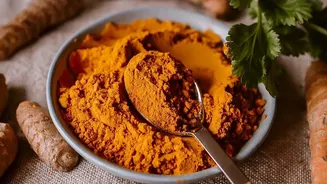
spicy-sweet warmth, while turmeric (Curcuma longa) provides an earthy, slightly bitter and peppery flavour. More than just taste, turmeric lends its brilliant golden-yellow hue to everything it touches, from fragrant biryanis to simple dals. Ginger, a key part of the “holy trinity” of Chinese cooking alongside garlic and onion, is just as fundamental in India, where it provides a zesty kick to masala chai and most savoury dishes. Their roles are not just complementary; they are essential, creating a depth of flavour that is both complex and comforting. Understanding them begins not with supplements, but with celebrating their power to transform a simple meal into something truly special.
Beyond the Curry: Everyday Uses
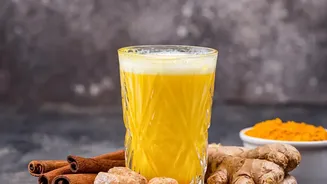
While essential to curries, confining these spices to a single dish misses their incredible versatility. Both fresh and dried forms can elevate your daily cooking in surprising ways. Start your day by adding freshly grated ginger to smoothies or a cup of hot water with lemon for a simple, invigorating tea. Turmeric can be whisked into salad dressings, added to the water when cooking rice for a beautiful colour and subtle flavour, or sprinkled over roasted vegetables with a bit of black pepper. The two work beautifully together in marinades for chicken or fish, and in broths and soups, where they infuse the liquid with warmth and aroma. Don't be afraid to experiment. A pinch of turmeric can be added to hummus or dips, while minced ginger can liven up a simple stir-fry. Keeping fresh ginger and turmeric in your fridge, or even frozen, makes it easy to add a dash of vibrant flavour to almost any meal.
The Science Behind the Spice
The wellness buzz around these spices is driven by their active compounds. Turmeric contains curcuminoids, most notably curcumin, which is a potent antioxidant and has well-documented anti-inflammatory properties. Ginger is rich in bioactive compounds like gingerol and shogaol, which are credited with its antioxidant and anti-inflammatory effects. Research has consistently shown that ginger can be effective in reducing nausea, particularly during pregnancy. There is also good evidence for its role in pain management and reducing inflammation. Similarly, human studies have shown curcumin can offer measurable improvements for those with conditions like osteoarthritis. However, much of the research, especially for ginger's effects on things like heart health or for curcumin's broader claims, is still preliminary or has produced mixed results, requiring further high-quality human trials to draw firm conclusions.
Hype, Health, and Home Cooking
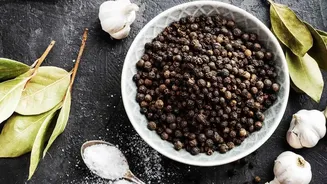
Here is where we must separate culinary use from clinical claims. The doses of curcumin used in scientific studies—often 1,000 mg or more per day—are far higher than what you would get from adding a teaspoon of turmeric to your food. Turmeric powder is only about 2-5% curcumin by weight. Furthermore, curcumin is notoriously difficult for the body to absorb. Its bioavailability is very low unless it's consumed with an enhancer like piperine (from black pepper) or formulated with fats, which is why many supplements are sold this way. While regularly cooking with these spices is undoubtedly part of a healthy diet, sprinkling turmeric on your meal won't replicate the effects seen in a clinical trial using a high-dose, specially formulated extract. Think of the health benefits from everyday cooking as a gentle, long-term bonus, not a high-potency cure.
How to Buy, Store, and Prepare
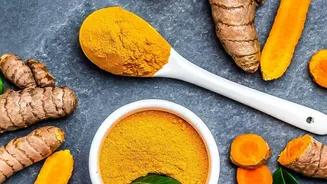
To get the most from these spices, choose fresh whenever possible. Look for firm, plump ginger root with smooth skin. Fresh turmeric should also be firm and not shriveled; its skin is thinner than ginger's. You can peel both with a spoon or a vegetable peeler. Once peeled, ginger can be minced, grated, or thinly sliced. For turmeric, you may want to wear gloves to avoid staining your hands yellow. Store unpeeled fresh ginger and turmeric in the fridge for several weeks. For longer storage, you can peel and freeze them. Dried, ground spices are a convenient alternative but can lose their potency over time. Store them in airtight containers in a cool, dark place. Traditional cooking methods often involve sautéing the spices in oil or ghee at the start of a dish, which not only builds flavour but can also help with the absorption of fat-soluble compounds like curcumin.