

A Powerhouse of Plant-Based Protein
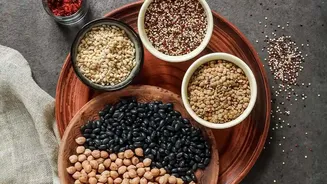
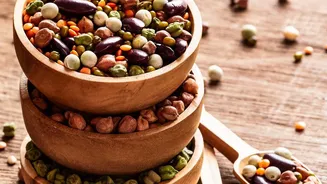
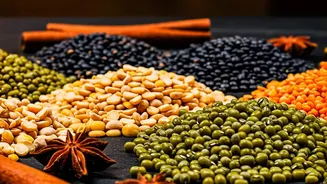
Pulses are one of the best sources of plant-based protein available. Most common Indian dals like chana, masoor, and moong contain about 20-25 grams of protein per 100 grams in their dry, uncooked form. When cooked, a single serving can provide a significant
portion of your daily protein needs. For example, a cup of cooked lentils offers about 18 grams of protein, while chickpeas provide around 15 grams. This makes them an excellent substitute for meat. While some individual pulses might not contain all nine essential amino acids, the traditional Indian meal of dal with rice or roti creates a complete protein profile, providing all the amino acids your body requires.
Kindness for Your Wallet
In an era of rising food costs, pulses stand out for their incredible affordability. Compared to animal-based proteins like chicken or fish, dried lentils and beans offer far more nutritional value for your money. While the price of meat can be volatile, pulses remain a consistently budget-friendly staple. This cost-effectiveness allows families to prepare nutritious, filling meals without straining their finances. Buying pulses in their dried form is typically the most economical option, and they have a long shelf life, making them a practical and reliable pantry essential.
The Comfort of Familiarity
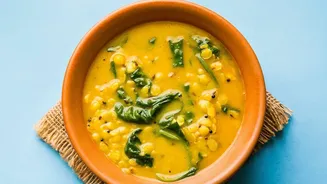
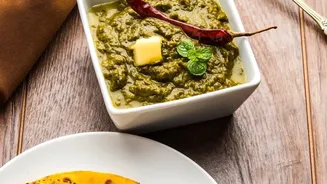
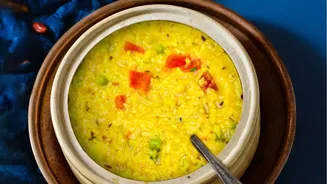
For anyone in India, pulses are not a novel superfood but a cherished part of our culinary heritage. Dishes like dal tadka, chana masala, and rajma chawal are staples in households across the country, beloved for their comforting and satisfying flavours. This familiarity makes incorporating more pulses into your diet effortless. You don’t need to learn complicated new recipes or acquire a taste for foreign ingredients. Instead, you can lean into the classic preparations you already know and love, from a simple moong dal khichdi to a hearty mixed dal fry.
Unmatched Kitchen Flexibility
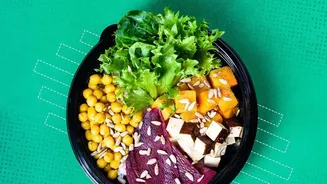
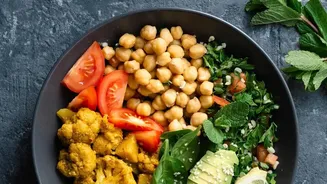
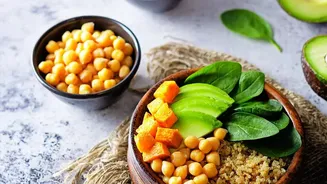
Beyond the classic curries, the flexibility of pulses is nearly endless. Their ability to adapt to different textures and flavours makes them a creative cook's best friend. Chana dal (Bengal gram) can be ground into besan for making chilla, pakoras, or dhokla. Chickpeas can be roasted for a crunchy snack, blended into hummus, or tossed into salads. Lentils are perfect for hearty soups, veggie burgers, and even as a filling for parathas. This versatility extends from main courses and snacks to even desserts, such as the decadent chana dal halwa. Their adaptable nature means you can enjoy their benefits in a different form every day of the week.
More Than Just Protein
While their protein content is a major draw, the health benefits of pulses don't stop there. They are exceptionally high in dietary fibre, which aids digestion, helps you feel full for longer, and supports weight management. This high fibre content also contributes to a low glycemic index, which helps stabilize blood sugar levels, making pulses a great choice for individuals managing diabetes. Furthermore, they are packed with essential micronutrients like iron, folate, potassium, and magnesium, which support everything from heart health and blood formation to bone strength and immunity.