





The Case for Skipping: Explosive Power
Remember the simple joy of skipping in the schoolyard? It turns out that this childhood pastime is a powerhouse workout for agility. Skipping, or jump rope, is a form of plyometric exercise, which involves explosive movements that build power and speed.
Every time you jump, you're training your body to absorb and redirect force quickly, a key component of reactive agility. This is the kind of agility you need to sidestep a puddle or quickly change direction in a crowded market. The repetitive motion improves the coordination between your eyes, hands, and feet, creating a strong mind-body connection that sharpens your reflexes. Furthermore, it's an exceptional cardiovascular workout that strengthens your heart and lungs, boosting stamina for sustained activity.
The Case for Yoga: Controlled Grace
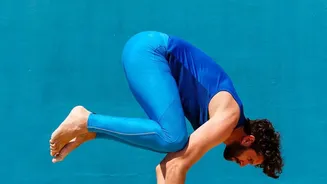
While skipping builds explosive power, yoga cultivates a different kind of agility: one rooted in control, balance, and awareness. Yoga enhances agility by improving flexibility, core strength, and proprioception—your body's sense of its position in space. Poses that challenge your balance, like Tree Pose or Warrior III, train the small stabiliser muscles around your joints. This creates a stable foundation, allowing for more fluid and precise movements in daily life. Dynamic yoga flows, moving with the breath, teach your body to transition gracefully from one position to another, enhancing coordination and preventing the kind of stiffness that leads to clumsy movements or injury. This controlled grace is essential for tasks that require careful navigation and steady posture.
Agility Breakdown: Speed vs. Stability
So, which one wins the agility battle? The answer depends on the type of agility you're seeking. Skipping is superior for developing reactive, high-speed agility. The constant, rhythmic jumping trains fast-twitch muscle fibres and hones your ability to react instantly. There's a reason boxers have been using jump ropes for a century: it builds the footwork and endurance needed for quick, sharp movements. Yoga, on the other hand, excels at building foundational agility through stability and body awareness. It's less about moving fast and more about moving well. By improving your flexibility and balance, yoga helps prevent injuries that can arise from sudden, uncontrolled movements. It provides the underlying control that makes fast movements safer and more effective.
Which Workout Is Right for You?
Choosing between skipping and yoga comes down to your personal goals and lifestyle. If your primary goal is cardiovascular fitness, calorie burn, and developing the quickness needed for sports, skipping is an incredibly efficient choice. It requires minimal equipment and can be done in short, high-intensity bursts. If your aim is to reduce stress, improve posture, increase your range of motion, and build a deep sense of body control, yoga is unparalleled. It provides both a physical workout and a mental release. Consider what your body is asking for. Do you need more energy and power, or more balance and calm?
The Ultimate Solution: A Balanced Routine
Ultimately, the 'versus' in the headline is a false choice. The most effective path to well-rounded agility is to combine both. Skipping and yoga complement each other perfectly. You could use skipping for a high-intensity cardio session two or three times a week, and dedicate other days to yoga for recovery, flexibility, and core strengthening. A yoga session can help stretch out the muscles tightened by skipping, reducing soreness and preventing injury. In turn, the cardiovascular endurance and coordination built from skipping can help you hold challenging yoga poses for longer. This integrated approach addresses both explosive power and graceful control, giving you the best of both worlds.