





The Foundation of Your Body
Think of your body as a building. For it to be stable, especially in motion, it needs a solid foundation. Your legs and hips are that foundation. This complex network of large muscles—including the glutes, quadriceps, hamstrings, and various hip flexors
and rotators—is responsible for connecting your upper and lower body and transferring force through the ground. Every time you walk, climb stairs, or even just stand still, these muscles are working to keep your pelvis and spine stable, allowing you to move efficiently and safely. Without a strong base, the entire structure above is compromised, leading to a cascade of potential issues.
The Kinetic Chain Reaction
Your body moves in what is known as a 'kinetic chain', where each joint and muscle segment affects the others. Weakness in the hips and legs can set off a negative chain reaction. For example, weak glute muscles, particularly the gluteus medius on the side of your hips, can cause the pelvis to become unstable during activities like walking or running. This instability can force other muscles in the lower back, knees, and even ankles to compensate, leading to poor movement patterns, chronic pain, and an increased risk of injuries like IT band syndrome or patellofemoral (knee) pain. In essence, a weakness that starts in the hips rarely stays in the hips.
Building Stability From the Ground Up
Strengthening the lower body isn't just about lifting heavy weights; it’s about targeted training that improves control and stability. The goal is to build strength in a way that translates to better balance and coordination in everyday life. This means incorporating exercises that challenge your body to stabilize itself, often by training one leg at a time (unilateral training) or moving through a full range of motion. A well-rounded lower-body program will target not only the large 'power' muscles like the gluteus maximus and quadriceps but also the smaller, crucial stabilizing muscles around the hips and ankles.
Essential Exercises for Lower-Body Stability
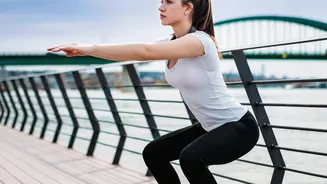
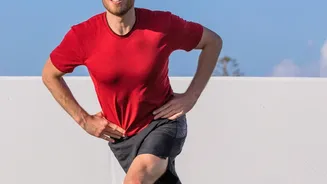
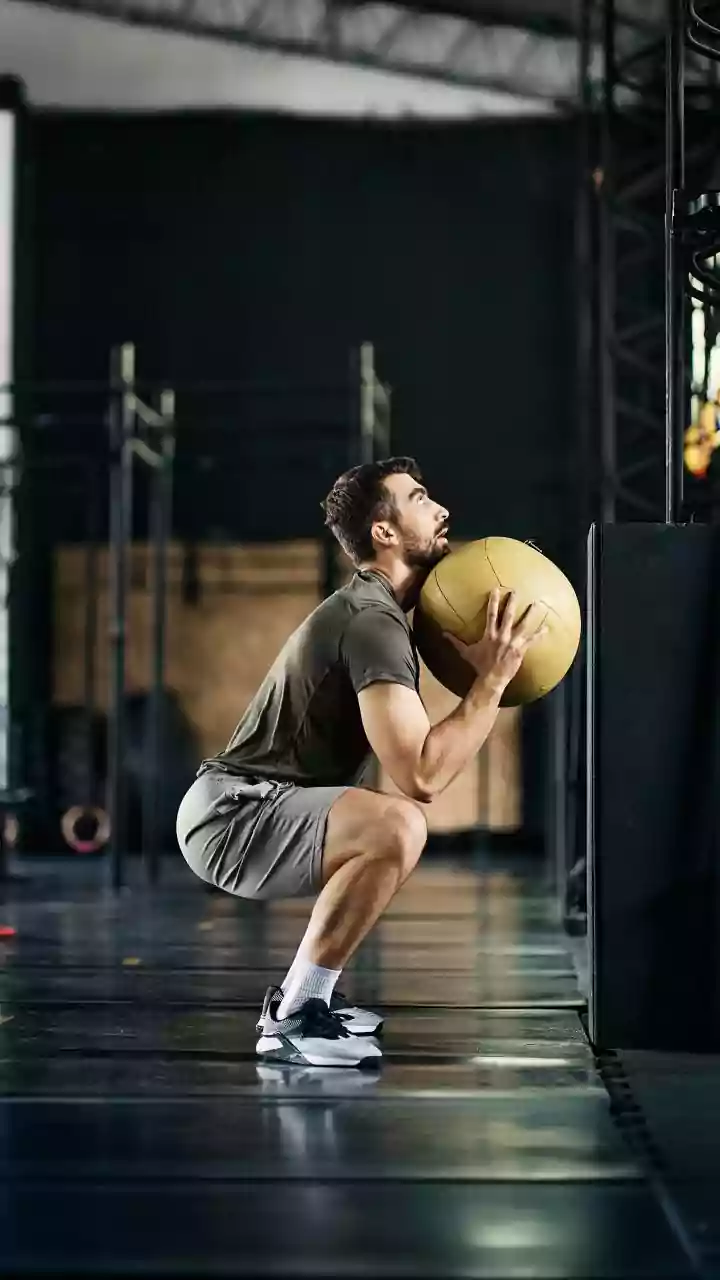
To improve your full-body stability, focus on compound and unilateral exercises that force your muscles to work together. Here are four foundational movements: 1. Squats: The classic squat is a powerhouse for building overall leg strength in the quads, hamstrings, and glutes. Focus on keeping your chest up and weight in your heels to ensure proper form, which promotes core and pelvic stability. 2. Lunges: By stepping forward or backward, lunges challenge each leg individually. This unilateral movement is fantastic for improving balance and highlighting any strength imbalances between your left and right side. 3. Glute Bridges: This exercise specifically targets the gluteus maximus, a key muscle for hip extension and pelvic stability. Lie on your back with knees bent, and lift your hips toward the ceiling, squeezing your glutes at the top. This move helps 'activate' glutes that may be underused from prolonged sitting. 4. Single-Leg Deadlifts: A more advanced move, the single-leg deadlift is one of the best exercises for balance, hamstring strength, and hip stability. It requires coordination and control, directly training the muscles responsible for keeping you upright and stable on one foot.
Consistency Over Intensity
Incorporating lower-body strength training into your routine doesn't require hours in the gym. Starting with two sessions a week using just your body weight can create significant improvements. The key is consistency and focusing on perfect form. As you get stronger, you can progressively add resistance or try more challenging variations. Remember that you are not just building stronger legs; you are investing in better posture, reducing your risk of falls, and creating a more resilient and capable body for years to come. This foundation of strength will support every other movement you make.