





The Science of a Perfect Freeze
To understand why the trip home matters, you first need to appreciate how your vegetables were frozen in the first place. Commercially frozen produce undergoes a process called 'flash-freezing'. This method uses extremely low temperatures to freeze the vegetables incredibly
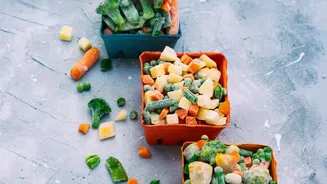
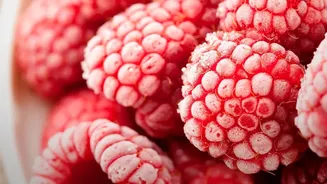
quickly. The speed is the secret. When water freezes slowly, it forms large, jagged ice crystals. But when it freezes in a flash, it forms tiny, smooth crystals. These small crystals leave the plant's cell walls intact, preserving the vegetable's structure, texture, and nutritional content almost perfectly. Think of it as pressing a pause button, locking in that just-picked freshness.
The Mushy Truth About Thawing
The problem begins the moment that bag of frozen corn starts to warm up on the car ride home. Even a partial thaw is enough to compromise quality. As the vegetables' temperature rises, those perfect little ice crystals begin to melt. When you get home and put the bag back in the freezer, they refreeze. However, a home freezer works much more slowly than a commercial flash-freezer. This slow refreezing process allows the melted water to form the large, spiky ice crystals that flash-freezing avoided. These larger crystals puncture and shred the vegetable's cell walls. The result? When you finally cook them, they release all their water and turn into a sad, mushy mess.
Losing Flavour and Nutrients
A change in texture is the most obvious sign of a poorly handled bag of frozen vegetables, but it's not the only issue. Damaged cell walls also lead to a loss of flavour and nutrients. The water that leaks out carries with it the water-soluble vitamins (like Vitamin C) and the compounds that give vegetables their vibrant taste. While frozen vegetables can be just as, or even more, nutritious than fresh ones that have been sitting on a shelf for days, that advantage is lost if they are allowed to thaw and refreeze. You're essentially left with a less tasty and less healthy product than what you paid for.
A Note on Food Safety
While the primary concern with partially thawed vegetables is quality, food safety is also a factor. Freezing doesn't kill bacteria; it just puts it on pause. If vegetables thaw completely and are left at room temperature for more than two hours, bacteria can begin to multiply. While vegetables are generally considered low-risk compared to meat or seafood, it's still a possibility. If a bag of frozen produce has completely thawed and warmed up, the safest option is to discard it. However, if the vegetables have only partially thawed and still contain ice crystals, they are generally considered safe to refreeze, though their quality will be significantly reduced.
Your Grocery Store Game Plan
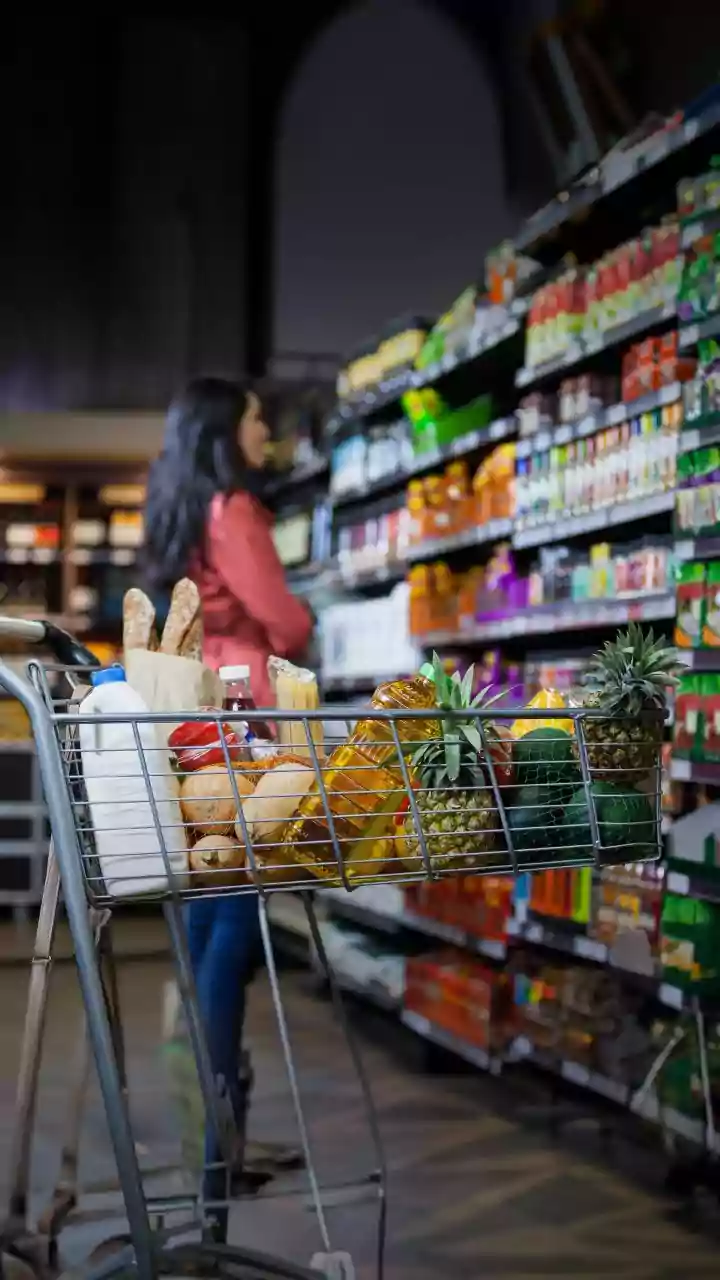
Protecting your frozen investment is simple with a few smart habits. The goal is to minimise the time your frozen goods spend outside of a freezer. First, make the frozen food aisle your last stop in the supermarket. The less time the items spend in a warm shopping cart, the better. Second, invest in a good quality insulated cooler bag or box. Keep it in your car so it's always ready for a grocery run. On hot days, adding a few reusable ice packs will make a big difference. Group all your frozen and refrigerated items together inside the insulated bag to create a 'cold zone' that helps them stay colder for longer. Finally, make your trip home a direct one. Avoid running other errands after you've bought frozen food. Once you arrive home, make it a priority to put away the frozen and refrigerated items first. A few minutes of planning can ensure you get the crisp, flavourful, and nutritious vegetables you expect every time.