





The Promise of Peppermint
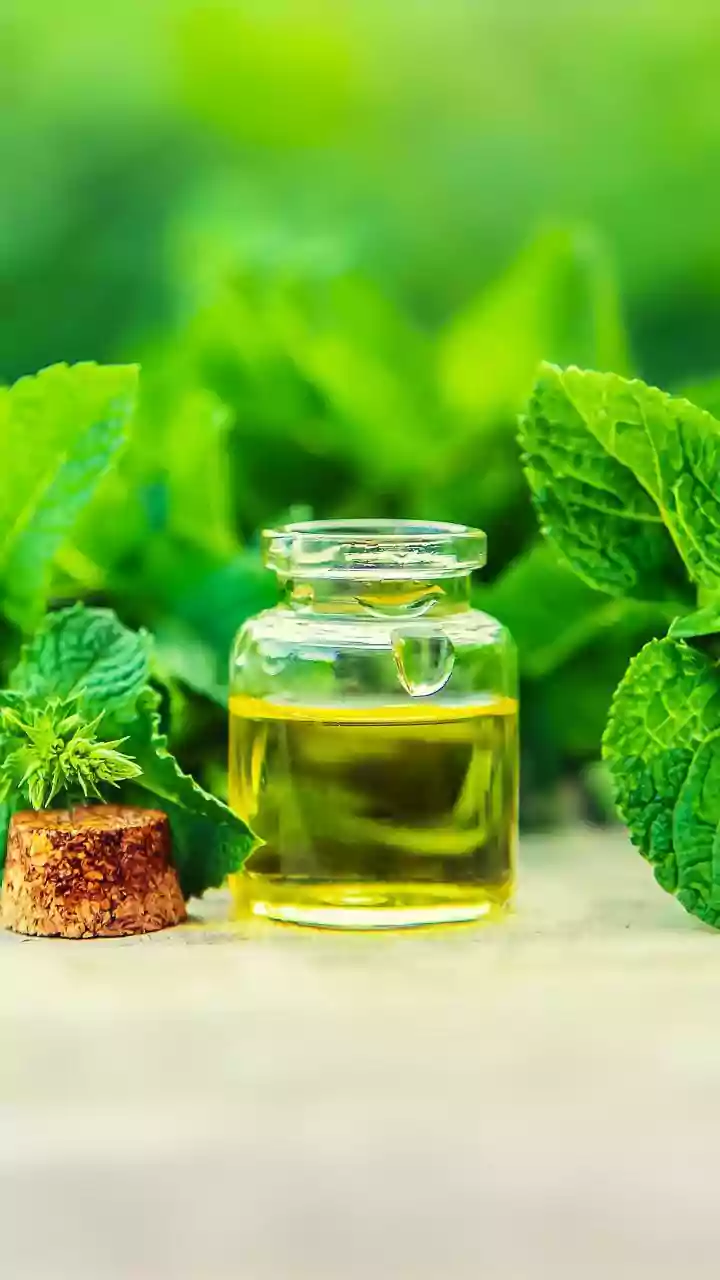
Peppermint has been used for centuries for various ailments, from digestive issues to muscle pain. Its power lies in its primary active compound: menthol. This is what gives peppermint its characteristic cooling sensation and refreshing aroma. For headaches,
the idea is that applying this cooling agent topically can help soothe tension and ease discomfort. While many people anecdotally report success, it is important to understand what science says about this popular home remedy, particularly for tension-type headaches, which are the most common form. The appeal is understandable—a simple, natural-feeling alternative to over-the-counter medication. But effectiveness and safety are two different things, and both require a closer look.
What the Science Says
The scientific evidence for peppermint oil's use in headaches is promising but limited, primarily focusing on tension-type headaches rather than migraines. Some controlled studies have shown that a 10% solution of peppermint oil in ethanol, when applied topically to the forehead and temples, can be significantly more effective than a placebo at reducing pain. In fact, its efficacy has been compared to that of common analgesics like paracetamol and acetylsalicylic acid. The National Center for Complementary and Integrative Health notes there is limited evidence suggesting topical peppermint oil might relieve tension headaches. It's crucial to note that many of these studies used a specific concentration, which may differ from home preparations. For migraines, the evidence is less clear, with some individuals finding strong scents aggravating.
How It Works: The Cooling Sensation
The magic of peppermint oil on the skin comes down to how menthol interacts with our nervous system. Menthol activates a specific cold-sensing receptor in our nerve endings called TRPM8. This tricks the brain into perceiving a cooling sensation without any actual drop in temperature. This cooling effect acts as a 'counterirritant'. It creates a new, competing sensation that distracts from and can dampen the deeper pain signals of a headache before they fully register in the brain. This process can also help relax tense muscles in the forehead and neck, which are often a major contributor to tension headaches. Some research also suggests that menthol may help control blood flow in the body, which could play a role in its relieving effects.
How to Make a Safe Peppermint Compress
Using peppermint oil safely is paramount. Never apply undiluted essential oil directly to your skin, as its high concentration of menthol can cause irritation, rashes, or even burns. To create a safe compress or massage blend, you must dilute it with a carrier oil. 1. Choose a Carrier Oil: Good options include jojoba, sweet almond, or even coconut oil. 2. Dilute Properly: A safe dilution for topical use on the face is typically 1-2%. This translates to about 6-12 drops of peppermint essential oil per 30 ml of carrier oil. For a simple compress, you can add 1-2 drops of diluted oil to a bowl of cool water. 3. Perform a Patch Test: Before applying to your forehead or temples, test a small amount of the diluted mixture on your inner forearm and wait 24 hours to ensure you don't have a skin reaction. 4. Application: For a compress, soak a clean cloth in the cool, peppermint-infused water, wring it out, and lay it across your forehead. For a massage, apply a small amount of your diluted oil blend to your temples, forehead, and the back of your neck, being very careful to avoid your eyes. Wash your hands thoroughly after application.
The Risks and Who Should Avoid It
While generally safe when used properly, peppermint oil is not without risks. The most common side effect is skin irritation or an allergic reaction, which can cause redness, itching, or blistering. It's crucial to keep the oil away from your eyes, as the menthol can be highly irritating. Most importantly, peppermint oil should never be applied to the face of infants or young children, as inhaling the potent menthol can cause serious breathing difficulties. Pregnant or breastfeeding individuals should also consult a healthcare professional before using peppermint oil in medicinal amounts. If you have gallstone disease, chronic heartburn, or severe liver damage, you should also avoid peppermint oil unless under medical supervision. Finally, if a headache is sudden, severe, accompanied by a fever or stiff neck, or feels different from your usual headaches, seek immediate medical attention instead of relying on a home remedy.