








Decoding the Sustainable Diet
First, let's clarify what a “sustainable diet” really means. According to the Food and Agriculture Organization (FAO) of the United Nations, it's about dietary patterns that are not only good for individual health but also have a low environmental impact.
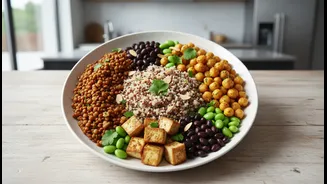
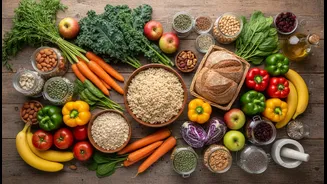
These diets aim to be protective of biodiversity, culturally acceptable, accessible, and affordable. The core principles often include prioritizing plant-based foods like fruits, vegetables, whole grains, and legumes; reducing meat consumption (especially red meat); minimizing food waste; and choosing local, seasonal produce whenever possible. It’s not a strict set of rules but a flexible framework that balances personal health with planetary well-being. The goal is to nourish ourselves today without compromising the resources of future generations.
The Rise of Nutrigenomics
On the other end of the spectrum is the hyper-personalized approach of nutrigenomics, or genetically engineered diets. This field explores the relationship between your genes, nutrition, and health. The premise is that by analyzing your DNA, companies can offer ultra-specific dietary advice, telling you, for example, if you're predisposed to metabolize caffeine quickly or if you have a heightened need for certain vitamins. The appeal is obvious: a diet that’s theoretically optimized just for you. However, the science is still relatively young, and many experts argue that the recommendations are often too general to justify the high cost. Critics also raise concerns about potential misinterpretation of data and privacy issues. While there might be future potential, for now, it's far from a mainstream solution.
The Best of Both Worlds: Personalizing Sustainability
The good news is that you don't need a DNA test to create a diet that is both personal and sustainable. The two concepts are not mutually exclusive; in fact, they work best together. Sustainability in diet is inherently personal because it must be culturally acceptable and accessible to work. A sustainable diet in India will look very different from one in Italy. The key is to take the broad principles of sustainability and apply them to your own life. This means listening to your body, understanding your energy needs, and being aware of any intolerances or health goals. Personalization is about self-awareness—not just genetic code. Do you feel better when you eat less dairy? Do you have more energy with a plant-forward lunch? This kind of intuitive eating, guided by sustainable principles, is where the real power lies.
A Sustainable Diet for the Indian Palate
Traditional Indian food practices are, by their very nature, incredibly sustainable. The emphasis on plant-based meals, featuring a rich variety of lentils, legumes, seasonal vegetables, and whole grains like millets, is a perfect blueprint. Indian cuisine has long mastered the art of creating deeply flavourful and satisfying meals without relying heavily on meat. Furthermore, traditional practices like using every part of a vegetable (root-to-leaf cooking), fermenting, pickling, and turning leftovers into new dishes are powerful zero-waste strategies that have been practised for generations. For instance, leftover rice is transformed into cooling, probiotic-rich dishes, and vegetable peels are made into chutneys. By embracing these time-tested traditions—eating seasonally available produce, celebrating millets, and reducing food waste—we can follow a diet that is both deeply personal and profoundly sustainable.