




A Catastrophe in the High Mountains
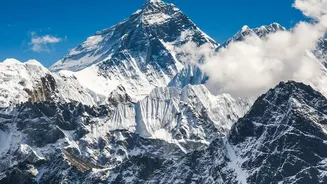
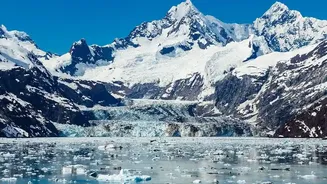
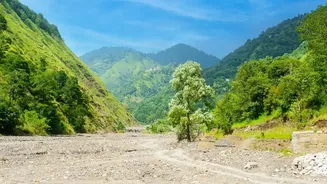
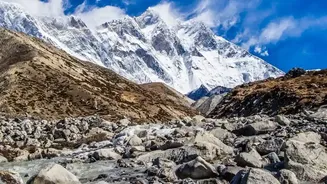
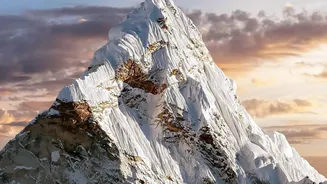
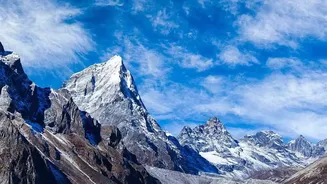
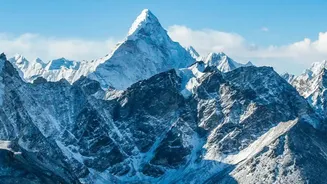
On August 26, 2026, a massive section of a glacier, along with underlying bedrock, broke loose from a high peak near the Nepal-Tibet border. The collapse sent an enormous torrent of ice, rock, and debris surging down the Bhote Koshi-Trishuli river system.
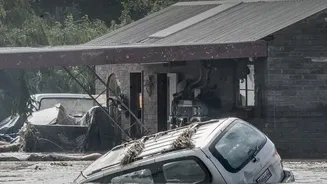
The event was so powerful it registered as a magnitude 5.2 seismic event. This was not a typical flood caused by rain; it was a complex chain of events starting with an unstable glacier. The resulting debris flow buried entire villages, destroyed critical infrastructure like bridges and hydropower plants, and tragically claimed over a thousand lives, with thousands more remaining missing.
What Are GLOFs and Why Are They So Dangerous?
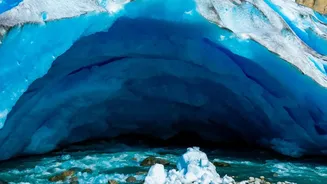
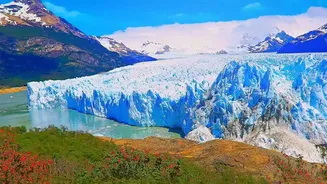
This disaster highlights the acute danger of Glacial Lake Outburst Floods (GLOFs) and similar cascading events. As glaciers melt at an accelerated rate, they form vast lakes at their edges, often dammed by unstable mounds of ice and rock moraine. When these natural dams fail, or when a massive avalanche like the one on August 26 occurs, they unleash a sudden, high-velocity wall of water and debris. This is far more destructive than a normal flood. Scientists have warned that glacier melt in the Hindu Kush Himalaya has doubled since the year 2000, and the rate of ice loss has increased by 65 percent since 2010. In Nepal alone, a recent study identified 47 high-risk glacial lakes, creating a constant, looming threat for downstream populations.
A Pattern of Increasing Risk
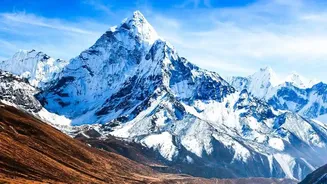
The August 2026 catastrophe was not an isolated incident. The same river system experienced another glacial flood in July 2025, signaling a deeply worrying pattern of instability. Scientists have established a clear link between rising global temperatures and the increasing frequency of these events. The Himalayas are warming at a rate nearly twice the global average, which not only melts glaciers but also thaws the permafrost that acts as a glue holding mountain slopes together. This makes the entire high-mountain system more prone to collapse. The United Nations has issued a stark warning that millions living downstream from these glaciers across the Himalayas face life-threatening risks.
The Human Cost and a Plea for Action
For the people of Nepal, this is a crisis they have contributed little to, as the nation accounts for just 0.1 percent of global emissions. Yet, communities in mountain districts like Rasuwa live on the front line of climate change, facing the loss of lives, homes, and livelihoods. The disaster has crippled a vital trade route with Tibet and destroyed crucial hydropower infrastructure, impacting the national economy. In response, Nepalese officials have called for international solidarity and climate finance, arguing that the world’s largest polluters must accept shared responsibility for such disasters. Emergency relief efforts are underway, but organizations on the ground stress that reactive aid is not enough.
A Race to Adapt Against an Unforgiving Clock
Preventing these disasters entirely is impossible, but mitigating the risk is a race against time. This involves a shift from simply responding to crises to proactively reducing risk. Efforts are being made, supported by international bodies like the Green Climate Fund and UNDP, to implement early warning systems, lower the water levels in the most dangerous glacial lakes, and build more resilient infrastructure. However, the scale of the challenge is immense. The recent flood swept away some automated monitoring stations before they could even send a warning, highlighting the extreme speed and power of these events. Experts agree that better mapping, continuous monitoring, and community-led preparedness are crucial not just for Nepal, but for all countries in the Himalayan region, including India, which has an estimated 900 potentially unstable glaciers.