







Understanding Inflammation and Your Joints
Inflammation is your body's natural response to injury or threat. When it's acute, it helps you heal. But when it becomes chronic, your immune system remains in a state of high alert, which can contribute to persistent joint pain, stiffness, and swelling.
This is a key factor in conditions like osteoarthritis and rheumatoid arthritis. The food you eat can either fuel this inflammatory fire or help to quench it. Processed foods, refined sugars, and certain fats can trigger the release of inflammatory messengers in the body. Conversely, a diet rich in whole, nutrient-dense foods can provide the anti-inflammatory compounds needed to support joint health and improve mobility.
Fatty Fish for Omega-3 Power
Fatty fish like salmon, mackerel, and sardines are champions of joint health for one main reason: omega-3 fatty acids. These healthy fats are known to reduce the production of molecules that fuel inflammation, which can translate to less joint swelling and stiffness. Studies have shown that regular consumption of omega-3s can ease joint tenderness, particularly in those with rheumatoid arthritis. If you're not a fan of fish, plant-based sources like flaxseeds, chia seeds, and walnuts also provide a form of omega-3s, making them a great addition to your daily routine.
Berries: Potent Antioxidant Protection
Don't let their small size fool you; berries are packed with powerful anti-inflammatory compounds. Blueberries, strawberries, and raspberries are rich in antioxidants called anthocyanins, which give them their vibrant red and blue hues. These compounds help neutralize oxidative stress, a process that can damage cells and contribute to inflammation in the joints. Adding a cup of mixed berries to your morning smoothie or yoghurt is an easy and delicious way to leverage these benefits and support your body's natural defences.
Leafy Greens for Essential Nutrients
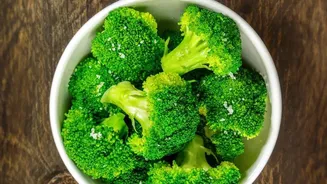
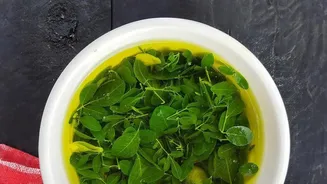
Dark leafy greens like spinach, kale, and broccoli are nutritional powerhouses for a reason. They are loaded with antioxidants and key vitamins that support joint health. For instance, they are excellent sources of Vitamin K, which is essential for maintaining strong bones and healthy cartilage. Some greens, particularly cruciferous vegetables like broccoli, contain a compound called sulforaphane. Research suggests sulforaphane may help block the enzymes responsible for cartilage degradation in osteoarthritis, offering a protective effect for your joints.
The Golden Spice: Turmeric
Turmeric, the bright yellow spice common in Indian cuisine, has been used in traditional medicine for centuries. Its power comes from its active compound, curcumin, which is a potent anti-inflammatory. Studies have shown that curcumin can block inflammatory enzymes and proteins, providing relief from joint pain and swelling that is sometimes comparable to over-the-counter medications, but with fewer side effects. For your body to get the most benefit, it's helpful to consume turmeric with a pinch of black pepper, which significantly enhances curcumin's absorption.
Nuts, Seeds, and Healthy Fats
Making smart fat choices is crucial for managing inflammation. Swapping out processed fats for healthy ones can make a significant difference. Nuts like walnuts and almonds, and seeds like flax and chia, are excellent sources of anti-inflammatory fats and fibre. Walnuts, in particular, are high in omega-3s. Extra virgin olive oil is another key player, rich in a compound called oleocanthal, which has been shown to have anti-inflammatory properties. Using olive oil as your primary cooking fat and snacking on a handful of nuts are simple, effective ways to build a more joint-friendly diet.