



First, Find Your Light
Before you even think about which plants to buy, take a moment to become a light detective in your own home. The direction your windows face determines the intensity and duration of sunlight your plants will receive. You can use the compass app on your phone
to easily determine which way your windows are facing: North, South, East, or West. This simple piece of information is the most important data you need for successful plant parenthood. As a general rule, south-facing windows get the most intense light, while north-facing windows receive the least. East windows provide gentle morning sun, and west windows get strong, hot afternoon light. Understanding this is the key to creating a shopping list of plants that are destined to flourish.
The North-Facing Window: Low-Light Champions
A north-facing window offers the lowest light levels in a home, with no direct sun. This might sound like a death sentence for plants, but many species thrive in these gentler conditions. This is the perfect spot for plants that are known for their lush foliage rather than their blooms. Think of the understory of a forest—dappled, indirect light is the norm. Plants that are ideal for these spots include the nearly indestructible Snake Plant (Dracaena trifasciata) and the hardy ZZ Plant (Zamioculcas zamiifolia). You can also have great success with the classic Pothos, with its trailing heart-shaped leaves, and the elegant Cast Iron Plant, which lives up to its name by tolerating significant neglect. These low-light warriors will add green beauty without demanding a place in the sun.
The East-Facing Window: Gentle Morning Sun
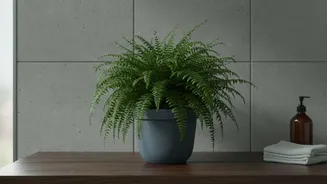
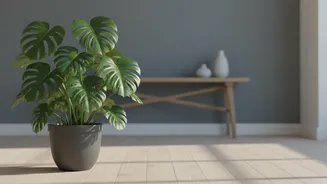
An east-facing window is often considered the sweet spot for many popular houseplants. It provides several hours of bright, direct morning sun that is much less intense than afternoon light. After the morning, the light becomes indirect for the rest of the day, creating ideal growing conditions for a wide variety of plants. This is where your flowering plants like Phalaenopsis orchids and some bromeliads can truly shine. Foliage plants also adore this exposure. You can successfully grow ferns, which enjoy the morning brightness without the risk of their delicate fronds getting scorched. Others that flourish here include the popular Monstera, Philodendron, and the colourful Aglaonema. An east-facing window gives you a huge range of options, from trailing vines to vibrant statement plants.
The South-Facing Window: For Sun Worshippers
If you have a south-facing window, you have the brightest and most intense light your home can offer, especially during the middle of the day. This is prime real estate for plants that originate from desert or arid environments. Cacti and a wide array of succulents like Echeveria and Aloe Vera will be perfectly at home here, soaking up the rays. Flowering plants that need a lot of energy to produce blooms will also thrive. You can also grow larger statement plants like a Ponytail Palm or a Yucca, which are adapted to handle direct sun. Be aware that this intense light means soil will dry out much faster, so you’ll need to keep a close eye on watering. If the light seems too harsh, a sheer curtain can diffuse it just enough to prevent leaf scorch.
The West-Facing Window: Hot Afternoon Sun
A west-facing window is similar to a south-facing one but gets its most intense, hot sunlight in the afternoon and evening. This can be a challenging spot for some plants, but perfect for others that are heat-tolerant. Sun-loving plants like succulents and cacti do well here, just as they do in southern exposures. It’s also an excellent spot for hardy plants that can handle a bit of heat, like the Snake Plant and Jade Plant. Some flowering plants that enjoy bright light, such as hibiscus, can also thrive. Be mindful that the afternoon sun is powerful; some plants might benefit from being placed a few feet back from the window to avoid getting scorched leaves, especially during the hottest parts of the year.