




Introducing Starbase, Louisiana
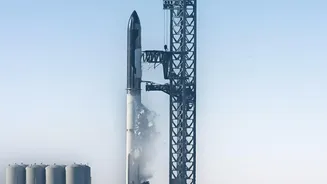
Following the success of its Starbase facility in Texas, SpaceX has unveiled plans for a massive new complex on the coast of Louisiana. Located in Vermilion Parish, this new site is not just an expansion but a quantum leap in scale and ambition. The company
is committing at least $100 billion to develop the 125,000-acre location into what it calls a "self-sustaining spaceport." Plans announced in late August 2026 detail a facility designed to eventually support thousands of Starship flights per year, a cadence required to fulfill the company's long-term goals. Construction is slated to begin as early as 2027, with the first launches from the new site targeted for 2029.
The Strategic Need for a Port
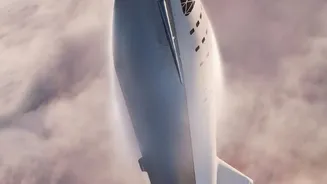
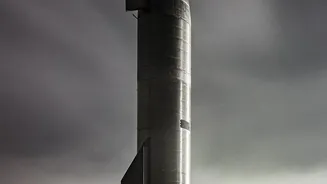
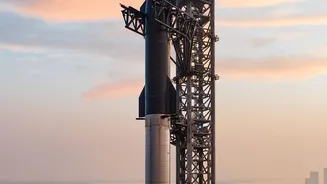
A key feature of the proposed Starbase Louisiana is an integrated deep-water port. This is not a luxury but a logistical necessity for the scale of operations SpaceX envisions. The Starship and its Super Heavy booster are monumental structures, and moving them efficiently is paramount. A dedicated port allows for the seamless transport of rocket components, construction materials, and other heavy equipment by sea, which is often more practical for objects of this size than road or rail. Furthermore, the port will be critical for future operations, potentially including the recovery of Starship boosters and ships from offshore landings in the Gulf of Mexico, streamlining the process for rapid reuse.
An Airport for a New Space Age
Alongside the seaport, the plan also includes an on-site airport. This addition points to the sheer volume of human and material traffic the facility will handle. An airport will facilitate the rapid movement of personnel, including engineers, technicians, and eventually, astronauts and commercial passengers. It would also enable high-priority cargo and sensitive components to be flown in directly, bypassing commercial airport congestion and security. This integrated transport hub—combining sea, air, and land—is designed to create a highly efficient, self-contained ecosystem that minimizes turnaround times and supports an unprecedented launch tempo, with some projections aiming for more than 30 flights a day in the future.
Why Louisiana and What It Means
The choice of Louisiana's Gulf Coast is strategic. The location offers clear trajectories for orbital launches over the water, which is essential for safety. The state also has abundant access to natural gas, a key ingredient for producing the methane fuel that powers Starship's Raptor engines. For Louisiana, the project is historic, promising to create over 3,000 direct new jobs and potentially thousands more indirectly. Governor Jeff Landry hailed the announcement as a pivotal moment for the state's economy. SpaceX has also committed to environmental stewardship, planning to work with state and federal agencies on shoreline protection and wetland restoration in an area facing significant coastal erosion.
The Bigger Picture: A Multi-Planetary Gateway
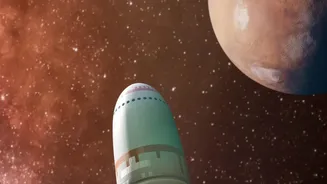
This new Starbase is more than just a launch site; it's the terrestrial foundation for a multi-planetary future. To achieve the goal of sending thousands of people to Mars, SpaceX needs an industrial-scale launch infrastructure that can be likened to a major international airport. The planned complex, with five launch complexes each hosting two pads, propellant production facilities, and employee housing, is designed to be that gateway. While the existing Starbase in Texas pioneered the development and initial flights of Starship, and operations expand in Florida, Starbase Louisiana is being designed from the ground up for maximum cadence. It represents the next logical, albeit massive, step in turning the science-fiction dream of colonizing other worlds into a logistical reality.