






A Royal Lifeline
In a filing with the U.S. Securities and Exchange Commission on July 28, Prince Alwaleed revealed ownership of 19.5 million shares, amounting to a 5% stake in the California-based automaker. The news caused Lucid's beleaguered stock to jump over 20%,
a significant rally for a company whose shares had plummeted more than 70% over the past year. The Prince, a famed investor often called the “Arabian Warren Buffett,” confirmed on social media that he acquired the stake when Lucid’s market capitalization was below $2 billion, suggesting he bought in during the stock's record lows in mid-July. While the filing states the purchase is a passive investment not intended to influence control of the company, the market interpreted it as a strong signal of renewed Saudi backing for the cash-strapped EV manufacturer.
The Context of Restructuring
This fresh investment arrives as Lucid is in the midst of a painful but necessary overhaul. In June, the company announced it was cutting its U.S. workforce by approximately 18%—its second major layoff in 2026—and eliminating the second production shift at its Arizona factory. These moves, expected to save around $158 million annually, were described as necessary to align production with weak demand, reduce vehicle inventory, and adapt to challenging market conditions. The restructuring has been driven by new CEO Silvio Napoli, who took the helm on June 1 and immediately began to simplify the company's structure, which included eliminating the Chief Operating Officer role entirely. These changes follow a period of missed production targets, heavy cash burn, and even recent bankruptcy rumors, which the company denied.
Saudi Arabia's Broader Bet
Prince Alwaleed’s investment is a personal one, separate from the much larger stake held by Saudi Arabia’s Public Investment Fund (PIF). The PIF is Lucid’s majority shareholder, controlling over 56% of the company through its affiliate, Ayar Third Investment Company. Since its first investment in 2018, the PIF has poured billions into Lucid to keep it afloat, including a $550 million investment in April 2026. This unwavering financial support is a cornerstone of Saudi Arabia's Vision 2030 plan, an ambitious strategy to diversify its economy away from oil. A successful global EV brand is a key part of that vision, and the Kingdom has a deal to purchase up to 100,000 vehicles from Lucid. The Prince's buy-in is seen as another layer of the Kingdom's commitment to ensuring Lucid does not fail.
An Uncertain Road Ahead
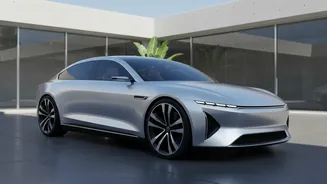
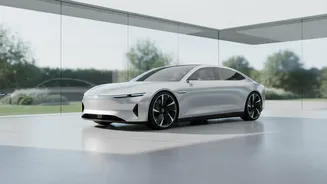
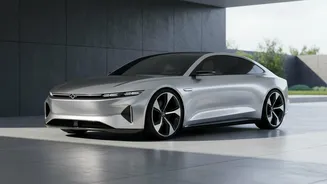
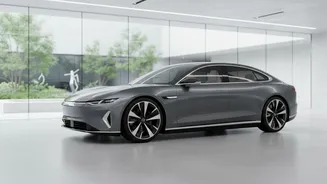
Despite the positive signal from Prince Alwaleed's investment, Lucid's future remains challenging. The company is operating in a fiercely competitive EV market where even established players are struggling with demand. Lucid has been praised for its technology and the performance of its luxury Air sedan, but its high price point has limited its customer base. The company continues to lose a significant amount of money, reporting an operating loss of nearly $1 billion in the first quarter of 2026. Analysts will be watching Lucid’s second-quarter earnings results, scheduled for August 4, for signs that the restructuring is taking hold and whether the company can find a path to sustainable production and profitability. The new funding provides a critical lifeline, but the pressure is on for the new leadership team to turn the company's fortunes around.