





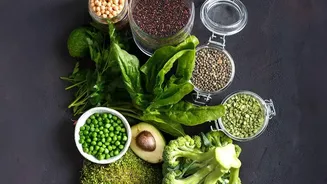
The Myth of the Lone Superfood
We’ve all heard the claims. A daily dose of turmeric milk, a morning shot of ginger, or a reliance on a single 'immunity-boosting' supplement. While these ingredients are undoubtedly beneficial, pinning all our hopes on one superfood is a limited strategy.
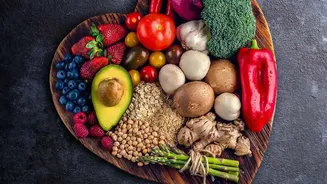
True health comes from nutrient synergy—the way different vitamins, minerals, and antioxidants from various foods work together. No single food, no matter how potent, can provide the complex array of nutrients your body needs to function optimally, especially during a challenging season like the monsoon. A diet rich in a variety of foods ensures you get a wide spectrum of these essential compounds, creating a much stronger defence system than any one ingredient could build alone.
Why the Monsoon Demands a Different Strategy
The rainy season brings more than just relief from the heat; it brings a unique set of health challenges. According to Ayurveda, the monsoon, or 'Varsha Ritu', is a time when our digestive fire, known as 'Agni', naturally weakens. This makes our bodies more susceptible to indigestion, bloating, and other stomach issues. The high humidity also creates a breeding ground for bacteria and viruses, increasing the risk of water-borne and food-borne infections. This is why simply continuing your summer diet, or doubling down on one healthy habit, isn't enough. Your body needs a tailored approach that supports a sluggish digestive system while simultaneously bolstering its defences against seasonal illnesses.
The Power of a Colourful, Diverse Plate
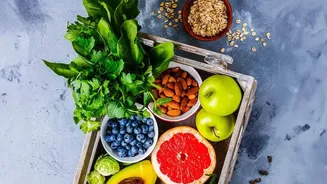
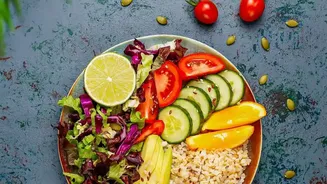
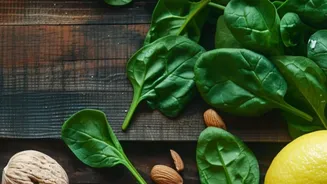
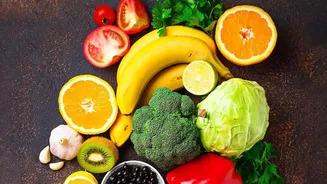
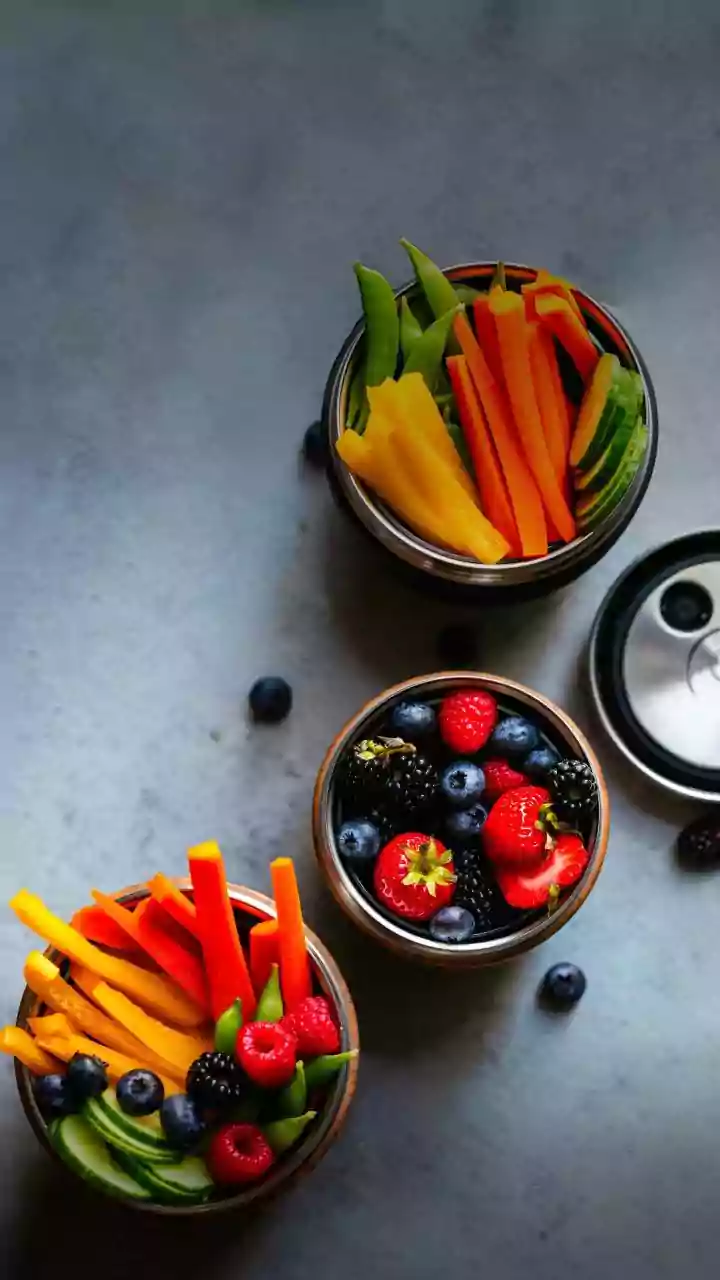
Instead of focusing on a single ingredient, aim for a plate that is bursting with colour and variety. A diverse diet is crucial for a healthy gut microbiome, which is home to roughly 70% of your immune system. Eating a wide range of plant-based foods feeds the good bacteria in your gut, which in turn helps regulate your immune response. During the monsoon, this means incorporating a mix of seasonal vegetables, fruits, grains, and spices into your daily meals. This approach provides a broad spectrum of vitamins like A and C, minerals like zinc, and powerful antioxidants that work together to protect your body from pathogens and reduce inflammation.
Building Your Ideal Monsoon Meal
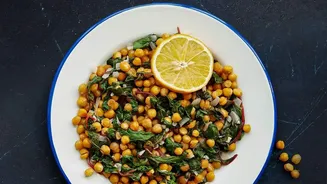
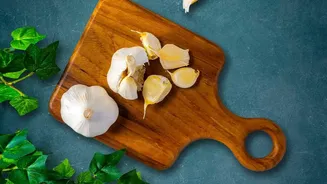
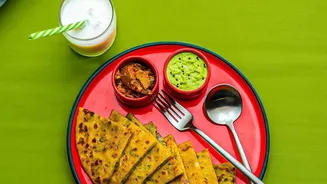
Creating a balanced monsoon diet is simpler than it sounds. The focus should be on warm, light, and freshly cooked meals. Avoid raw salads, heavy foods, and excessive street food, which can be harder to digest and pose a higher risk of contamination. Instead, build your meals around these seasonal powerhouses: Vegetables: Opt for easily digestible gourds like lauki (bottle gourd), turai (ridge gourd), and karela (bitter gourd). These are light on the stomach and traditionally believed to help prevent infections. Steamed or cooked vegetables are always a better choice than raw ones. Fruits: Enjoy seasonal fruits like jamun, pears, plums, and pomegranates. They provide essential vitamins and antioxidants. It's best to consume them during the day and ensure they are washed thoroughly. Grains and Lentils: Light grains like barley, old rice, and moong dal are excellent choices as they are easy on the digestive system. A warm bowl of khichdi made with moong dal is a quintessential monsoon comfort food for good reason. Spices and Herbs: Use spices like ginger, garlic, turmeric, and black pepper not as standalone cures, but as integral parts of your cooking. They aid digestion, have anti-inflammatory properties, and add warmth to your meals.