




A Nationwide Celebration of Heritage
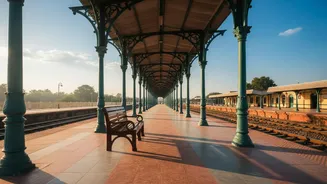
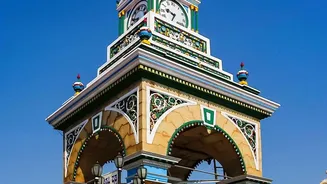
Indian Railways has launched the 'Station Mahotsav,' a country-wide festival to celebrate the founding anniversaries of 103 heritage stations. The events, scheduled between August and November, aim to reconnect the public with the deep-rooted history
and local culture of these iconic British-era stations. The initiative shines a light on structures that have witnessed the nation's evolution for over a century, transforming them from mere stops on a journey into destinations for cultural immersion. The festival's goal is to foster a sense of pride in this architectural inheritance and educate a new generation about the vital role these stations played in India's development.
Showcasing Architectural Grandeur
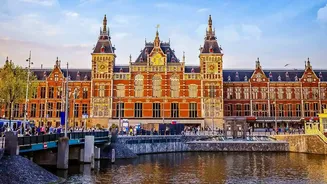
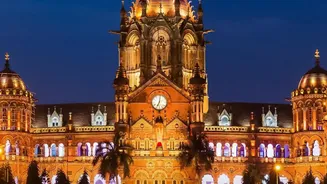
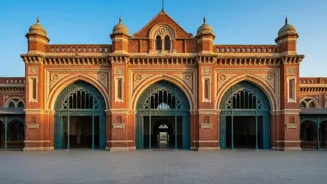
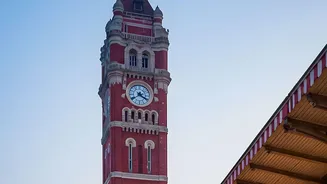
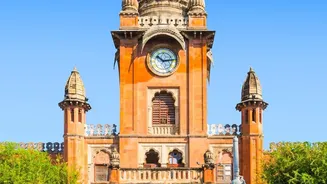
The Mahotsav features stations renowned for their stunning design, such as Mumbai's Chhatrapati Shivaji Maharaj Terminus (CSMT). A UNESCO World Heritage Site, CSMT is a masterpiece of Victorian Gothic Revival architecture blended with traditional Indian motifs. Designed by Frederick William Stevens and completed in 1887, its stone dome, turrets, and pointed arches have made it a symbol of Mumbai. Similarly, the Royapuram station in Chennai, opened in 1856, stands as the oldest surviving railway station in the entire subcontinent, as the original structures at Bori Bunder and Thane no longer exist. Its classical, red-brick colonial design with grand arches and ionic pillars tells the story of South India's first-ever train journey.
Stepping Back in Time
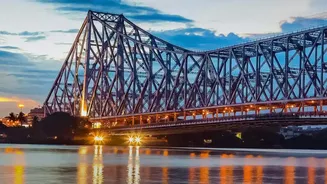
The list of celebrated stations reads like a timeline of Indian history. It includes Howrah in West Bengal and Kalyan in Maharashtra, both dating back to 1854. These are followed by stations like Bally and Bardhaman (1855). The first passenger train in India ran on April 16, 1853, from Bori Bunder (the site of present-day CSMT) to Thane. While the original Bori Bunder station was a simple wooden structure, its successor, Victoria Terminus (now CSMT), was built over ten years to become the grand headquarters of the Great Indian Peninsular Railway. Each station in the Mahotsav has a unique story, from Lucknow Charbagh (1926) to the Old Delhi Railway Station (1867), representing different eras of construction and design.
What to Expect at the Mahotsav
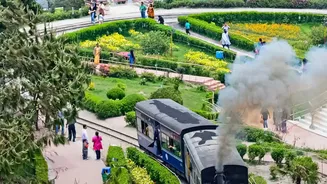
The Station Mahotsav is not just about admiring old buildings. The Railway Board has planned a standardized program to make the celebrations engaging and festive. Visitors can expect historical photo exhibitions that bring the past to life, displays of vintage railway equipment, and screenings of short films on the heritage of each station. To celebrate local culture, the events will also feature regional food festivals and the promotion of local art and handicrafts. Many stations will host light-and-sound shows, turning the architectural facades into dynamic canvases that narrate their history, offering a vibrant and memorable experience for all ages.