


The Comfort of Tradition
For generations, especially in South India, coffee has been a non-negotiable morning ritual. Affectionately known as filter kaapi, this isn't just a beverage; it's a ceremony of aroma and comfort. The process is a familiar rhythm: hot water slowly percolating
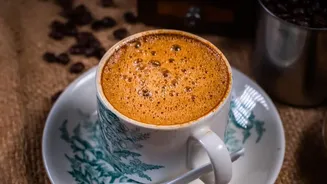
through a traditional steel filter, creating a thick decoction from a blend of dark-roasted coffee and chicory. This decoction is then mixed with hot, frothy milk and poured back and forth between a tumbler and dabarah to cool it to the perfect temperature. The resulting brew is strong, milky, and has a distinct, somewhat bitter profile from the chicory, a taste deeply woven into the fabric of daily life. Popularised by the iconic Indian Coffee Houses since the mid-20th century, this style of coffee represents home, hospitality, and a comforting start to the day for millions.
The Arrival of a New Wave
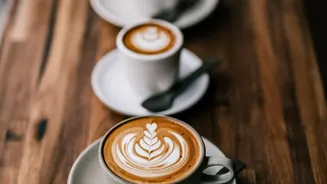
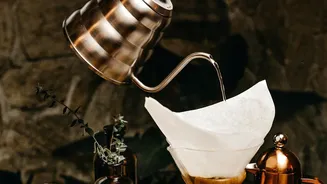
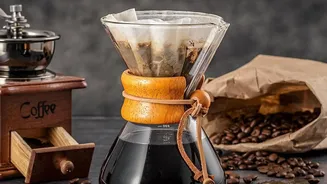
In the last decade, a different kind of coffee culture has swept across India's urban landscape. Known as the 'third wave', this movement treats coffee as an artisanal product, much like wine or craft chocolate. It started gaining serious momentum around 2015, with brands like Blue Tokai and Third Wave Coffee Roasters leading the charge. This new culture prioritises high-quality, single-origin Arabica beans, where the specific farm or estate is known and celebrated. Forget instant coffee or generic blends; the focus here is on traceability, lighter roasts that preserve the bean's unique flavour, and manual brewing methods like the pour-over or AeroPress. The growth has been explosive, with specialty cafes becoming the new social hubs in metros and even expanding into Tier-II cities.
What's In a Flavour Note?
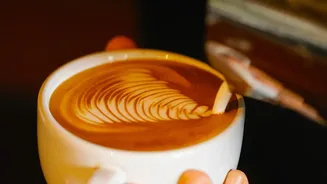
The fundamental difference between these two worlds lies in the taste. Traditional filter coffee is beloved for its consistency—it’s bold, robust, and familiar. The chicory blend gives it a woody, full-bodied flavour that pairs perfectly with milk. Third-wave coffee, on the other hand, is all about nuance and complexity. Because the beans are lightly roasted, they retain the flavours of their origin—what connoisseurs call 'terroir'. A cup might have bright, fruity notes, a floral aroma, or a chocolatey finish. Baristas in these cafes are trained artisans who can tell you about the bean's journey from a specific estate in Chikmagalur or the Araku Valley to your cup. This approach invites drinkers to taste the 'story' of the bean, an experience vastly different from the comforting predictability of traditional kaapi.
The 'Snobbery' Stigma
With this new appreciation for craft comes the inevitable accusation of 'coffee snobbery'. To a traditionalist, the world of specialty coffee can seem intimidating and pretentious. The complex vocabulary of tasting notes, varietals, and processing methods can feel exclusionary. Someone who simply wants a 'strong coffee' might be met with questions about whether they prefer a pour-over or an Americano, and what kind of flavour profile they enjoy. Critics argue that this culture can make people feel judged for their preferences, especially if they enjoy a simple, milky, or instant coffee. The higher price point of specialty coffee also contributes to this perception of elitism, creating a divide where one side is seen as pursuing quality at all costs, while the other is simply enjoying a daily habit without the fuss.
More Than Just a Drink
Ultimately, the divide in coffee culture is about more than just taste; it's about identity. Traditional coffee is rooted in nostalgia, family, and shared history. The new wave is tied to globalisation, urbanisation, and a desire for new experiences and artisanal quality. Cafes have become 'third places'—not home, not work—where people socialise, work, and connect. Choosing a single-origin pour-over can be a statement of personal taste and sophistication, while sticking to filter kaapi is an act of holding onto comfort and heritage. Neither is inherently better, but they represent different values and priorities in a rapidly changing India. The rise of specialty coffee is a sign of a market maturing, offering more choices to a new generation of consumers who value craft and origin.