





What Exactly Are Pink Radishes?
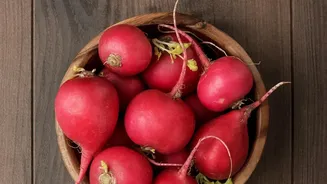
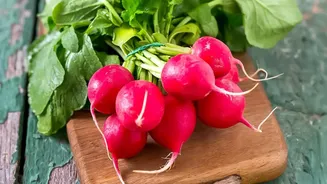
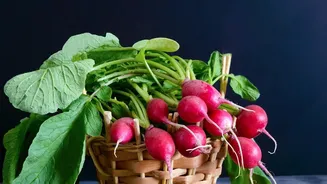
When we talk about pink radishes, we aren't referring to just one type. The term covers several varieties known for their beautiful rosy hues. You might encounter the common small, round radishes often called Cherry Belle, the slightly elongated French
Breakfast radish with its signature white tip, or the aptly named Watermelon Radish, which has a pale green exterior but a stunningly bright pink-to-red interior. There are also varieties like the Pink Summercicle, Pink Beauty, and even the larger Pink China radish. While they vary in shape and size, they all share a characteristic bright skin that makes them a visual treat. Belonging to the Brassicaceae family, they are related to mustard, kale, and cabbage, which gives a hint about their distinct flavour profile.
More Than Just a Pretty Face
Beyond their good looks, pink radishes are packed with nutritional benefits. They are low in calories but high in dietary fibre, which aids in healthy digestion. Radishes are an excellent source of Vitamin C, an antioxidant that helps protect your cells from damage and supports immune function. They also provide a good dose of potassium, which is important for maintaining healthy blood pressure, and folate, a key nutrient for cell growth and development. The vibrant pink and red colours come from anthocyanins, powerful antioxidants that contribute to heart health. They also contain compounds like glucosinolates, which are believed to have protective effects.
A Peppery, Crisp Bite
The defining taste of a raw radish is its peppery, sometimes spicy kick, which comes from compounds called isothiocyanates. The intensity can vary greatly depending on the variety and its age; younger, smaller radishes are often milder. Pink radishes are generally considered to have a crisp texture and a pungent, peppery flavour. Some varieties, like the Pink Summercicle, are noted for having a unique sweetness that balances the spice. When cooked, however, this sharpness mellows considerably, transforming the radish into a mild, tender vegetable with a subtle sweetness, making it surprisingly versatile.
Buying and Storing for Maximum Freshness
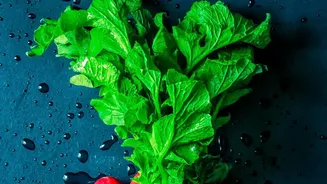
To get the best out of your radishes, look for ones that are firm and smooth, without any blemishes or soft spots. If the leafy green tops are still attached, they should look fresh and vibrant, not yellowed or wilted. Once you get them home, it's best to remove the greens. The leaves draw moisture and nutrients from the root, causing it to become soft. The greens themselves are edible and have a peppery taste, perfect for sautés or pestos. Store the radish roots in a plastic bag in your refrigerator’s produce drawer, where they can last for up to a week, or even two for some varieties. For extended crunch, you can trim them and store them in a jar of water in the fridge.
Simple Ways to Enjoy Pink Radishes
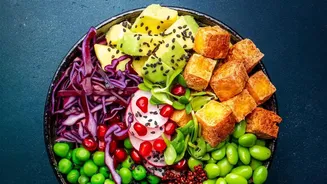
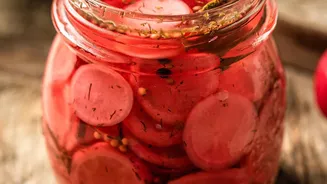
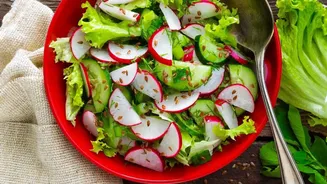
The easiest way to enjoy pink radishes is raw. Their crispness adds a refreshing crunch to salads, slaws, and grain bowls. Thinly sliced, they make a beautiful and zesty garnish for tacos, avocado toast, or soups. A classic French way to eat them is simply with good butter and a sprinkle of sea salt, served on a slice of crusty bread. For a quick and flavourful condiment, try pickling them. Quick-pickled radishes add a tangy, bright element to sandwiches and noodle dishes. You can also make a vibrant Korean-style radish salad by tossing thinly sliced radishes with ingredients like soy sauce, vinegar, and chilli garlic sauce.
Taking the Heat: Cooking with Radishes
Cooking transforms the radish's character entirely. Roasting is a fantastic method; just toss them with a bit of olive oil, salt, and pepper. They become tender, juicy, and surprisingly mellow. Sautéing is another great option. When sautéed with butter and oil, the pigment from the skin can blush the white flesh, turning the dish a lovely shade of pink. You can also add chopped radishes to stir-fries or simmer them in soups, where they can be used much like a turnip or even as a low-carb potato substitute. Their versatility means they can easily be incorporated into a wide range of vegetarian dishes, adding both substance and a surprising depth of flavour.