




More Than Just A Playlist
In the grand spectacle of an Indian wedding, from the boisterous 'baraat' to the choreographed dances of the 'sangeet', it's easy to overlook one of its most profound traditions: the folk songs sung by women. These are not items on a DJ's playlist; they
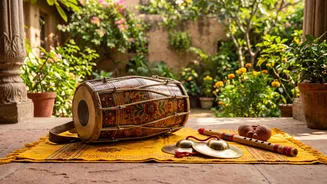
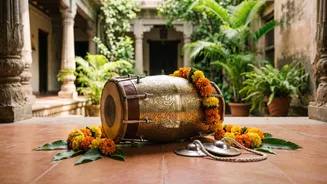
are oral heirlooms passed down through generations. Historically, events like the sangeet were intimate gatherings of women from the bride's family, a space to share stories, blessings, and songs. These melodies, often accompanied by the simple beat of a 'dholak', serve as the emotional heartbeat of the celebration, carrying cultural values, social commentary, and personal histories that formal records often miss. They are a testament to the crucial role women play as keepers of cultural memory.
A Chorus of Laughter and Advice
Wedding songs create a unique space for female expression and bonding. At pre-wedding ceremonies like the 'sangeet' or 'mehndi', women gather to sing, their voices blending in harmony and laughter. The lyrical content is incredibly diverse. In Punjab, playful and teasing songs known as 'sithniyan' are sung to poke fun at the groom and his family, cleverly subverting the usual social hierarchies in a sanctioned, humorous way. These songs can be filled with jokes about in-laws or lighthearted advice for the soon-to-be-married couple. This tradition allows for a candid expression of feelings and anxieties that might otherwise be considered taboo, all under the guise of celebratory humour.
From Joyful Teasing to Sorrowful Farewells
The emotional range of these songs is vast, mirroring the complex feelings surrounding a marriage. While the 'sangeet' is defined by joy and festive energy, the 'vidaai' or 'bidaai'—the bride's farewell ceremony—is steeped in poignant sorrow. The songs sung during this ritual express the deep sense of loss felt by the bride's family. Lyrics often describe the daughter as a bird leaving the nest or speak from a father's perspective, reflecting on her childhood and his sadness at her departure. These 'vidaai' songs provide a collective, cathartic outlet for the powerful emotions of separation, a moment where the entire family shares in the bittersweet transition. They acknowledge the pain of goodbye while blessing the bride's journey into her new life.
An Unwritten Archive of Social History
Because they were part of an oral tradition, these folk songs were often overlooked by official histories, which were predominantly written by men. Yet, they are rich repositories of social history, reflecting the lived realities of women. The songs document everything from the anxieties of moving to a new home ('sasural') to critiques of patriarchal norms. They articulate the complex web of relationships a bride must navigate and even respond to social changes like urbanisation and shifting family dynamics. By singing these songs, older women pass down not just melodies, but a cultural and emotional guidebook for the younger generation, ensuring this uniquely female perspective on life and society endures.
Fading Echoes or Modern Melodies?
In an age of Bollywood chartbusters and elaborate DJ nights, the space for these traditional folk songs is changing. Modern 'sangeet' ceremonies have evolved from women-only gatherings into large, co-ed parties with choreographed dance performances. While this has created new forms of celebration, it also risks overshadowing the spontaneous, intimate tradition of collective singing. However, the tradition is not entirely disappearing. Many families consciously blend old and new, and there is a growing appreciation for these songs as a link to cultural roots. Some artists are reinterpreting and recording these folk tunes, bringing them to a new audience. This evolution ensures that while the context may change, the spirit of these songs—as carriers of memory, emotion, and female solidarity—continues to resonate.