








The Rise of Joyful Movement
A quiet rebellion is reshaping the fitness world. After years dominated by high-intensity interval training and punishing workout challenges, people are now seeking sustainable routines that prioritise mental well-being alongside physical health. This
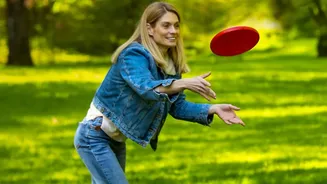
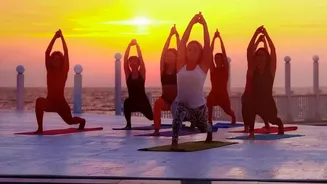
philosophy, often called “joyful movement,” encourages finding pleasure in physical activity, from dancing to hiking with friends. The focus is shifting from burning calories to fostering consistency and reducing burnout. Instead of dreading exercise, the goal is to find activities you genuinely look forward to, a change that aligns with a broader push for longevity and a more holistic approach to health. This movement isn't about abandoning effort; it’s about reframing it in a way that feels good.
Walking Is the New Workout
At the forefront of this trend is one of the simplest and oldest forms of exercise: walking. Once overlooked as a “real” workout, walking has reclaimed its status as a legitimate and powerful fitness tool. Its popularity surged during the pandemic as people sought safe, outdoor activities, and the momentum has only grown. Social media trends have amplified its appeal, transforming solitary strolls into shared experiences. The rise of social walking clubs, which have seen explosive growth in recent years, underscores the desire for connection and community in fitness. These groups offer accountability and a low-pressure social outlet, making exercise feel less like a chore and more like a desirable social event.
Meet Rucking: The Next Level of Walking
For those seeking to elevate their walking routine, “rucking” has emerged as a major trend. Originally a military training technique, rucking is simply walking with a weighted backpack. This addition turns a low-impact walk into a full-body workout that builds strength and cardiovascular endurance simultaneously. Rucking engages the legs, core, shoulders, and back, improving muscle tone and bone density without the joint stress associated with running. It also significantly increases calorie burn compared to regular walking, making it an efficient option for weight management. Best of all, it’s highly accessible; all you need is a sturdy backpack and some weight, making it a cost-effective alternative to a gym membership.
More Than Physical: The Mental Gains
The return to simpler activities like walking and rucking is also fueled by their profound mental health benefits. Engaging in low-impact, rhythmic exercise outdoors has been shown to reduce stress, improve mood, and enhance mental clarity. The combination of physical exertion and time spent in nature can act as a form of moving meditation, helping to disconnect from screens and daily pressures. For many, the sense of accomplishment that comes from completing a walk or a ruck provides a significant psychological boost. In a world of digital overload, these activities offer a much-needed opportunity to reconnect with your body and your surroundings in a simple, meaningful way.
How to Join the Movement
Getting started is easy because of the inherent accessibility of these activities. For social walking, check community boards, local social media groups, or apps like Nextdoor for walking clubs in your area. Many are free and welcome all fitness levels. If you want to try rucking, start simple. Use a comfortable backpack you already own and add some weight—water bottles, books, or sandbags work well. Begin with a weight that feels challenging but manageable (around 5-10% of your body weight is a good starting point) and go for a brisk 20-30 minute walk. As you get stronger, you can gradually increase the weight or the duration of your walks. The key is to listen to your body and find a pace and intensity that feels both challenging and enjoyable.