
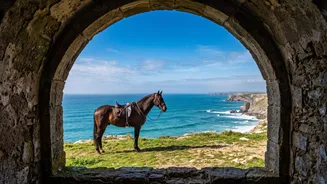
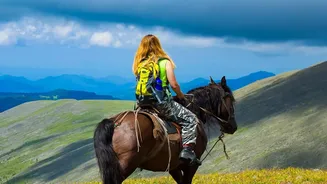
A Journey at a Different Pace
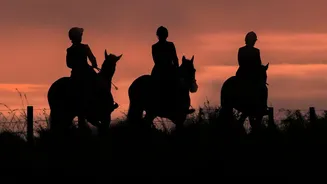
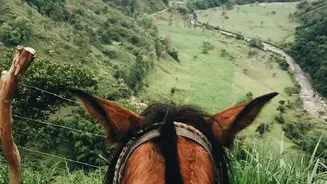
In our fast-paced world, the idea of slowing down is a luxury. Horseback riding through the Portuguese countryside forces a welcome change of pace. The world unfolds not in a blur outside a window, but at a steady, contemplative speed. This slower tempo
allows you to absorb the details: the scent of eucalyptus and pine, the sight of storks nesting on ancient bell towers, and the texture of the sun-drenched landscape. It’s an opportunity to connect with your surroundings in a way that modern travel often overlooks, creating a more profound and lasting memory of the places you visit. This method of travel is inherently more intimate, often involving small groups that can access paths and vantage points unavailable to larger tours.
The Ideal Equine Partner: The Lusitano
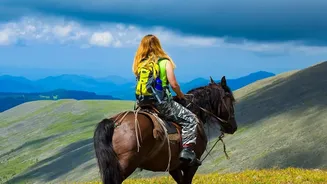
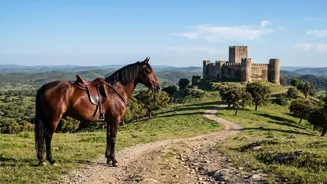
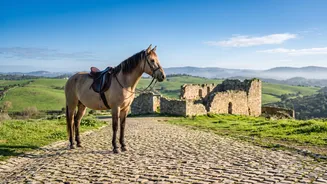
Central to this experience is the noble Lusitano horse, a breed native to Portugal and celebrated for its calm temperament, intelligence, and comfortable gait. These horses are not just a means of transport; they are your partners in discovery. Bred for centuries in regions like the Alentejo and Ribatejo, they are sure-footed and reliable, capable of navigating varied terrain from rolling hills to rugged mountain paths with ease. For riders, forming a bond with one of these beautiful animals enhances the journey, turning a simple trek into a collaborative adventure. Many tours cater to all skill levels, matching riders with horses that ensure a safe and enjoyable experience for everyone, from novices to seasoned equestrians.
Landscapes Steeped in History
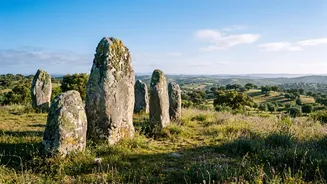
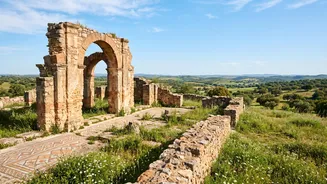
Portugal’s countryside is a living museum, dotted with the remnants of civilizations past. On horseback, you can follow ancient smuggling routes along the Spanish border, trace the paths of Roman legions, or approach a medieval castle as a knight would have centuries ago. Regions like the Alentejo are particularly rich with historical sites, offering trails that lead to Neolithic dolmens, Roman dam ruins, and hilltop medieval villages like Monsaraz. In the north, you might ride through Peneda-Gerês National Park, where ancient Roman roads are still marked by 2,000-year-old milestones. These aren't manicured tourist sites behind ropes; they are ruins integrated into the landscape, waiting to be discovered.
Beyond the Beaten Path
One of the greatest appeals of equestrian travel is the ability to leave the crowds behind. Many of Portugal's most fascinating ruins and most beautiful landscapes are located far from main roads. A horse can take you through protected nature reserves, across private estates, and into valleys that feel untouched by time. This sense of discovery—of stumbling upon a hidden chapel or a forgotten Roman bridge—is a powerful draw. It transforms a holiday into a genuine exploration, offering moments of quiet solitude and a feeling of having a corner of the world all to yourself. You're not just seeing history; you're feeling its remoteness and its enduring presence in the wilder parts of the country.
An Immersion in Portuguese Culture
The experience extends far beyond the trail itself. Equestrian tourism in Portugal is deeply connected to the nation's culture and hospitality. Days often end at beautifully restored farmhouses (quintas) or historic manor houses, where you can enjoy regional cuisine and local wines. These stays provide an authentic glimpse into rural Portuguese life. The journey becomes as much about the people you meet and the food you share as it is about the sights you see. It's a holistic experience that engages all the senses, from the taste of a hearty meal after a long day's ride to the sound of local conversations in a village tavern.