



The Rise of the Starry-Eyed Traveller
City life, with its constant demands and artificial glow, has left many of us yearning for a different kind of quiet. This has sparked the rise of 'astrotourism', a travel trend rooted in seeking out the world’s last remaining dark skies. Once a niche
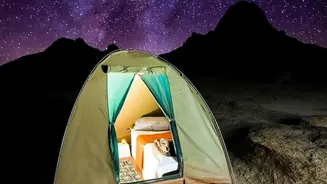
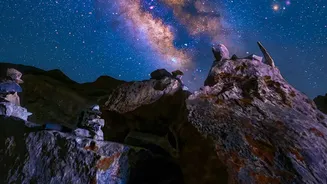
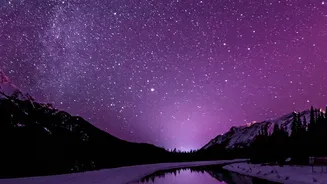
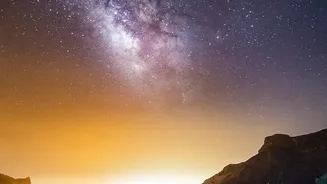
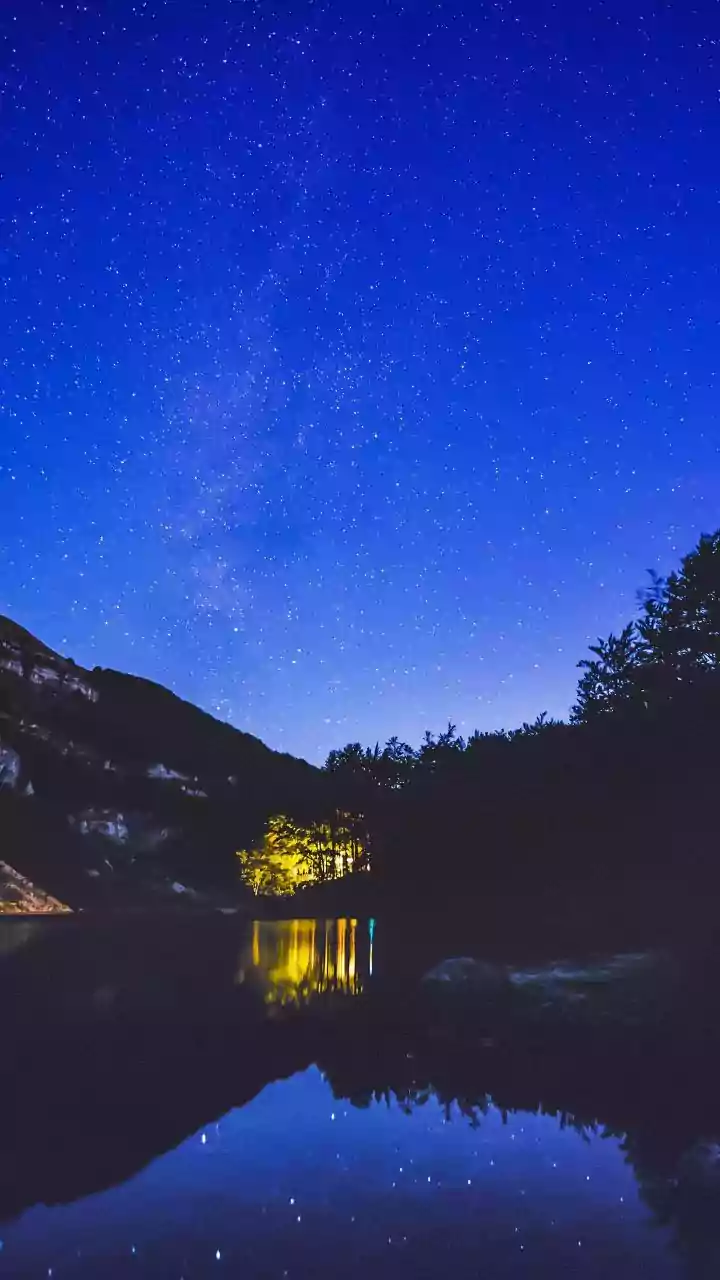
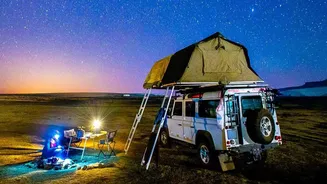
hobby for astronomers, it has become a mainstream travel choice for those looking for unique experiences. This isn't about luxury resorts or packed itineraries; it’s about finding a patch of Earth dark enough to reveal the universe in its full glory. The trend is driven by a simple, powerful desire: to see a sky full of stars, a sight that has become a rarity for a huge portion of the world's population living under light-polluted skies. In India, the movement is gaining significant momentum, with travellers willing to journey to remote corners of the country for a chance to witness the Milky Way arching overhead.
A Cure for the Modern Mind
The appeal of a stargazing holiday goes far beyond pretty pictures. It offers a profound sense of mental and emotional wellness. The simple act of looking up at a vast, star-filled sky can evoke a powerful feeling of awe, which studies show can reduce stress, improve mood, and foster a sense of connection. Standing under the cosmos encourages a shift in perspective; our daily worries and anxieties often feel smaller in the face of such immensity. This quiet, meditative practice serves as a natural form of mindfulness, grounding you in the present moment away from the constant distraction of screens. Furthermore, spending time in natural darkness helps reset our body's internal clock, promoting the production of melatonin and leading to better sleep.
India's Celestial Havens
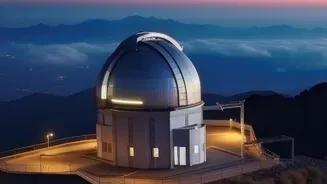
India's diverse geography offers some of the most spectacular and accessible dark-sky locations in the world. The undisputed crown jewel is Hanle in Ladakh, which was designated as India's first official Dark Sky Reserve. Situated at a high altitude with over 300 clear nights a year, Hanle offers skies so dark that the Milky Way is breathtakingly clear to the naked eye. The region is not just a tourist spot but a hub for astronomical research, home to the Indian Astronomical Observatory. Beyond Ladakh, the cold desert of Spiti Valley in Himachal Pradesh is another prime destination, with villages like Kaza and Langza offering incredible celestial views. In the south, the coffee plantations of Coorg, the hills of Kodaikanal, and the pristine landscapes of the Rann of Kutch in Gujarat during winter all provide incredible opportunities for stargazing, far from the glare of city lights.
From Tourist to Stargazer
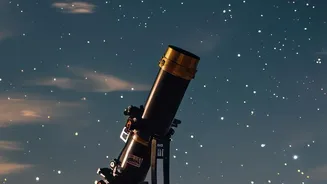
The growth of astrotourism has also spurred sustainable, community-led initiatives. In places like Hanle, local homestay owners have been trained as astronomy guides, creating economic opportunities that are directly tied to preserving the natural darkness of the region. This model ensures that the benefits of tourism remain within the local community. Several companies now offer curated stargazing experiences, from setting up mobile observatories to conducting workshops on astrophotography. This makes the cosmos accessible even to beginners who may not own a telescope. For those planning their own trip, the key is to find a location with minimal light pollution, check the lunar calendar for a moonless night, and pack warm clothing, as clear nights are often cold. A good pair of binoculars is a great starting point for exploring the moon's craters and star clusters.