



The Devotion of a Queen
The most widely told story associated with Karwa Chauth is that of the beautiful Queen Veeravati. She was the only sister to seven loving brothers and was married to a handsome king. For her first Karwa Chauth, she returned to her parents' home and began
the strict 'nirjala' fast at sunrise, abstaining from all food and water for the longevity of her husband. As the day wore on, however, the rigours of the fast became too much for the young queen. Weak with hunger and thirst, she grew desperate for the moon to rise so she could break her fast, and eventually fainted.
A Deception Born of Love
Seeing their beloved sister in distress, Veeravati's brothers could not bear her suffering. They hatched a plan to trick her into ending her fast early. In one version of the legend, they climbed a pipal tree and held up a mirror, making it appear as if the moon was shining in the sky. In another telling, they lit a large fire behind a hill, creating a convincing glow that mimicked the moonrise. Deceived by the illusion, Veeravati believed the moon had appeared. She made her offerings, broke her fast, and took her first morsel of food.
A Tragic Consequence and Divine Intervention
The moment Veeravati broke her fast prematurely, ill omens appeared. Soon after, word arrived from her husband's kingdom that the king was dead. Heartbroken and blaming herself, Veeravati rushed toward her husband's home. On the way, she encountered Lord Shiva and Goddess Parvati (in some versions, it is Goddess Indrani). The goddess explained that the king's death was a result of her broken fast. Moved by Veeravati's inconsolable grief and sincere repentance, the goddess instructed her on how to atone. She was told to observe the fast again, this time with unwavering devotion and adherence to all rituals.
The Legend's Legacy in Modern Rituals
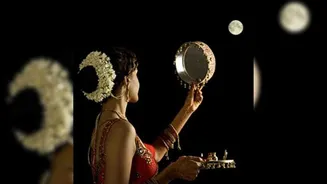
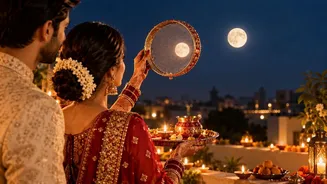
Veeravati's story is more than just a cautionary tale; it is the blueprint for the rituals observed today. Her unwavering penance and eventual success in reviving her husband cemented the core tenets of the festival. The 'nirjala' fast from sunrise to moonrise symbolises her steadfast devotion. The most iconic ritual—viewing the moon through a sieve ('channi')—is believed to stem from Veeravati's experience. It serves as a reminder to ensure one is looking at the true moon, not a deceptive imitation, thereby honouring the fast's integrity. The act of breaking the fast only after seeing the moon and then her husband is a direct reflection of the story's climax, reaffirming the marital bond the festival celebrates.
A Timeless Message of Faith and Love
Ultimately, the legend of Veeravati is a powerful narrative about faith, sacrifice, and the strength of marital devotion. While the brothers' actions were born of love, the story teaches that true affection lies in helping loved ones uphold their vows. The tale also speaks to the power of a second chance and sincere repentance, as Veeravati's devotion ultimately earned her divine grace. As women observe Karwa Chauth on October 29, 2026, the narration of the 'vrat katha' or story, with Veeravati's tale at its centre, transforms the fast from a ritual into a deeply personal and spiritual expression of love and commitment.