



The Ecological Imperative
The push for crop diversification in Punjab is not just a policy preference; it's an ecological necessity. The state's over-reliance on the water-intensive paddy-wheat rotation has led to a severe groundwater crisis. Reports indicate that groundwater levels
are falling alarmingly, with some experts warning the water table could drop below usable levels in the coming decades. This has made the shift to less thirsty crops like maize, cotton, and pulses a critical priority for the state government to ensure long-term agricultural sustainability. The current model, while historically productive, is now extracting a heavy environmental price, forcing a rethink of the state's entire agricultural foundation.
The Peril of Pests
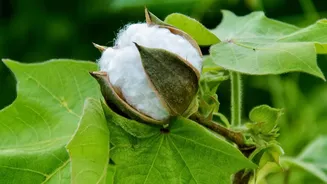
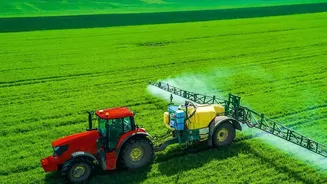
Switching crops is not as simple as sowing a different seed. Alternative crops like cotton come with their own set of significant challenges, chief among them being vulnerability to pests. In recent years, cotton farmers in Punjab have faced recurring and devastating attacks from pests like the pink bollworm and whitefly. These infestations can wipe out a season's profits, making farmers hesitant to abandon the relative predictability of paddy. For example, recent reports from July 2026 show early signs of whitefly and pink bollworm infestations, raising alarms even when cotton acreage is at a record low. This recurring threat erodes farmer confidence and demonstrates that without effective, accessible pest management strategies, diversification efforts for crops like cotton will continue to falter.
The Elusive Promise of Price Certainty
Perhaps the single biggest factor keeping farmers tethered to the paddy-wheat cycle is economic security. The government's Minimum Support Price (MSP) and well-established procurement infrastructure for wheat and paddy create a safety net that other crops lack. While MSP is announced for crops like maize and pulses, the procurement system is not nearly as robust or reliable. Farmers who switch to alternative crops often face market uncertainty, where prices can crash due to a lack of assured government buyers, leaving them vulnerable to losses. This disparity creates a powerful disincentive; a farmer is unlikely to risk planting a new crop, even if it's better for the environment, if there's no guarantee they can sell it at a fair price. The profitability of the paddy-wheat system, backed by assured procurement, remains the dominant economic reality.
Incentives and Subsidies: A Nudge in the Right Direction?
To counter the economic pull of paddy, the Punjab government has introduced several subsidies and incentives. These include financial assistance for farmers who choose to plant alternative crops. For instance, the government offers subsidies on seeds for crops like cotton and flowers to lower the initial cost for farmers. Recently, a 33% subsidy on Bt cotton seeds was announced, aiming to encourage the adoption of higher-yielding, pest-resistant varieties. Similarly, financial support of up to ₹14,000 per acre is available for flower seed production. While these subsidies are designed to make diversification more financially attractive, some analyses suggest the current incentive amounts are insufficient to bridge the profitability gap between paddy and alternative crops like maize or cotton. The incentives may not be enough to convince a majority of farmers to make the switch, especially when weighed against the risks.
Procurement: The Final Economic Hurdle
Even if a farmer successfully navigates pest risks and is encouraged by subsidies, the final challenge lies in procurement. The ecosystem for buying, storing, and transporting wheat and paddy is a well-oiled machine built over decades. This level of infrastructure does not yet exist for most alternative crops. Without a guaranteed buyer like the Food Corporation of India (FCI), which procures a massive percentage of Punjab's rice, farmers are at the mercy of private markets where prices can be volatile. Developing a parallel procurement infrastructure for maize, pulses, and oilseeds requires significant investment and political will. Until farmers see a clear and reliable path from their fields to a paying market, the economic logic will continue to favour the established paddy-wheat system, no matter the ecological cost.