
What is World Space Week?
Declared by the United Nations in 1999, World Space Week is the largest annual space event on the planet. Its dates are historically significant: October 4 marks the launch of Sputnik 1 in 1957, the first human-made satellite, which kicked off the space age.
October 10 commemorates the signing of the Outer Space Treaty in 1967, a foundational document for peaceful international cooperation in space. Every year, schools, universities, space agencies like ISRO, museums, and astronomy clubs host events to celebrate the contributions of space science and technology to the betterment of humankind. The goal is to educate the public on the benefits of space, inspire young people to pursue careers in science and technology, and foster global collaboration.
The 2026 Theme: A 'Rocket Revolution'
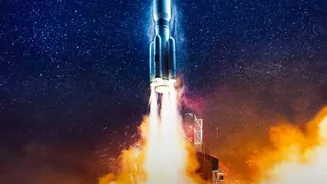
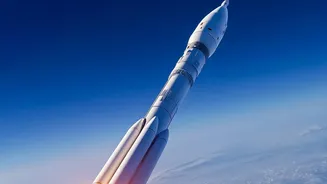
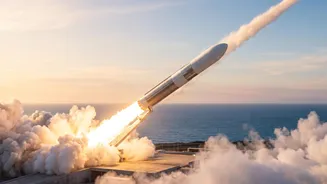
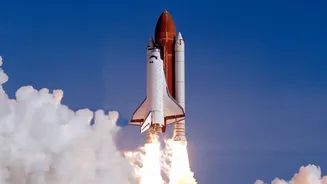
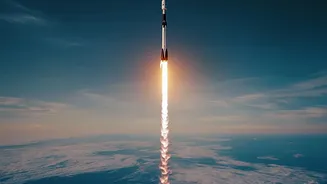
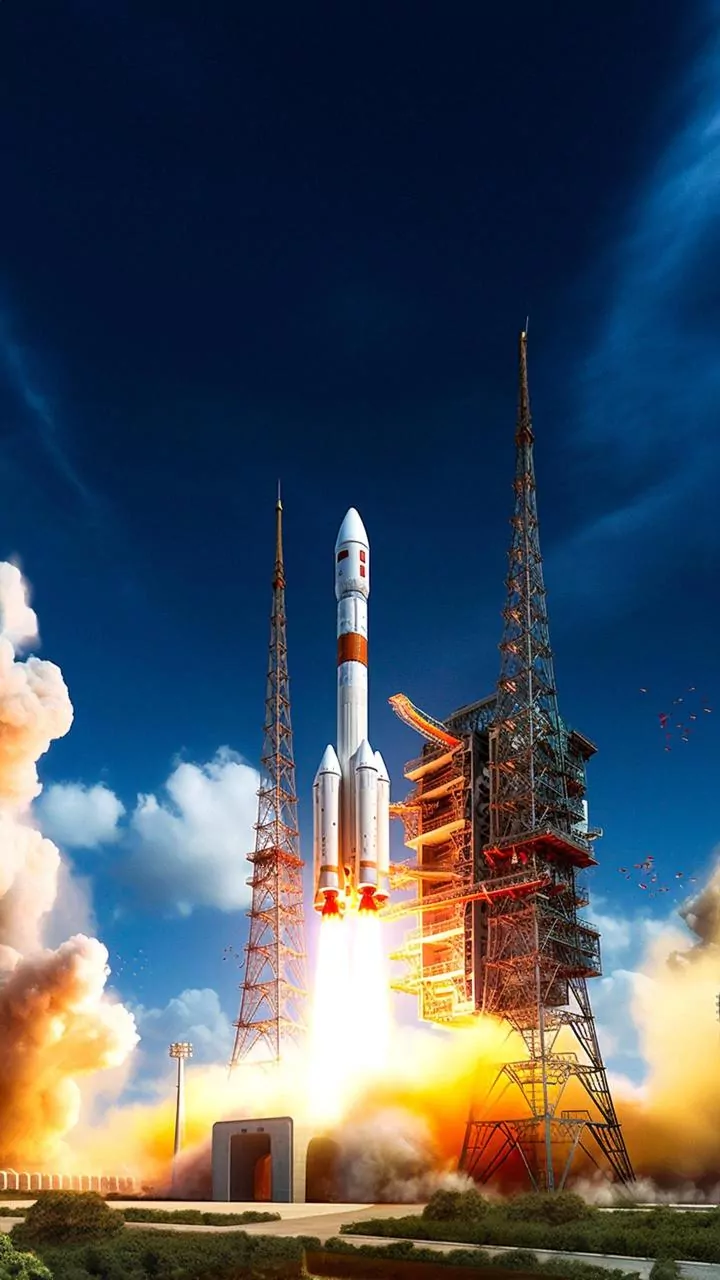
The theme for 2026, 'Rocket Revolution', spotlights the incredible transformation happening in how we get to space. For decades, space launch was the domain of a few governments with single-use rockets. Today, that's changing rapidly. The revolution includes the development of reusable rockets, the rise of commercial launch providers, and greater involvement from startups and universities. This shift is making space more accessible and affordable than ever before. The theme recognises how falling launch costs are stimulating a new ecosystem of space applications that promise to benefit everyone.
Celebrations Across India
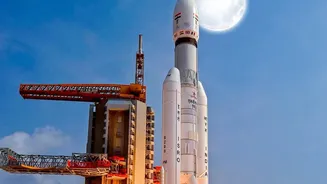
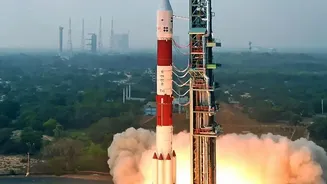
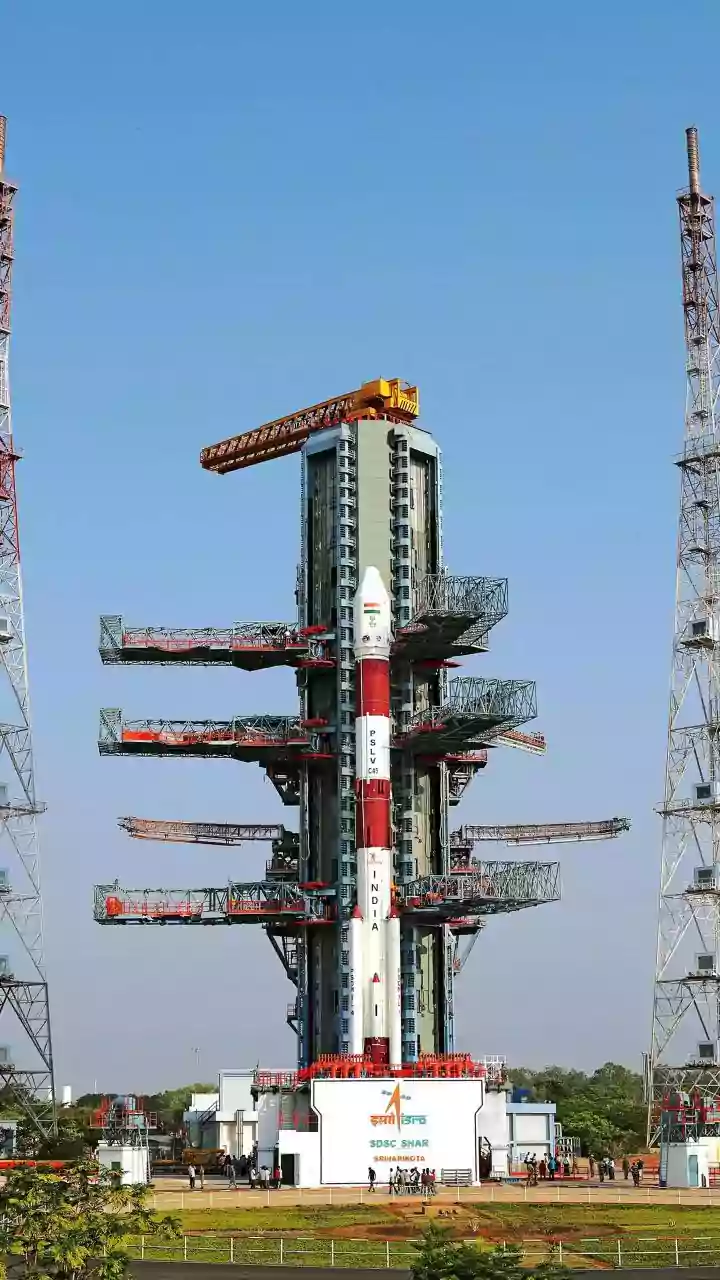
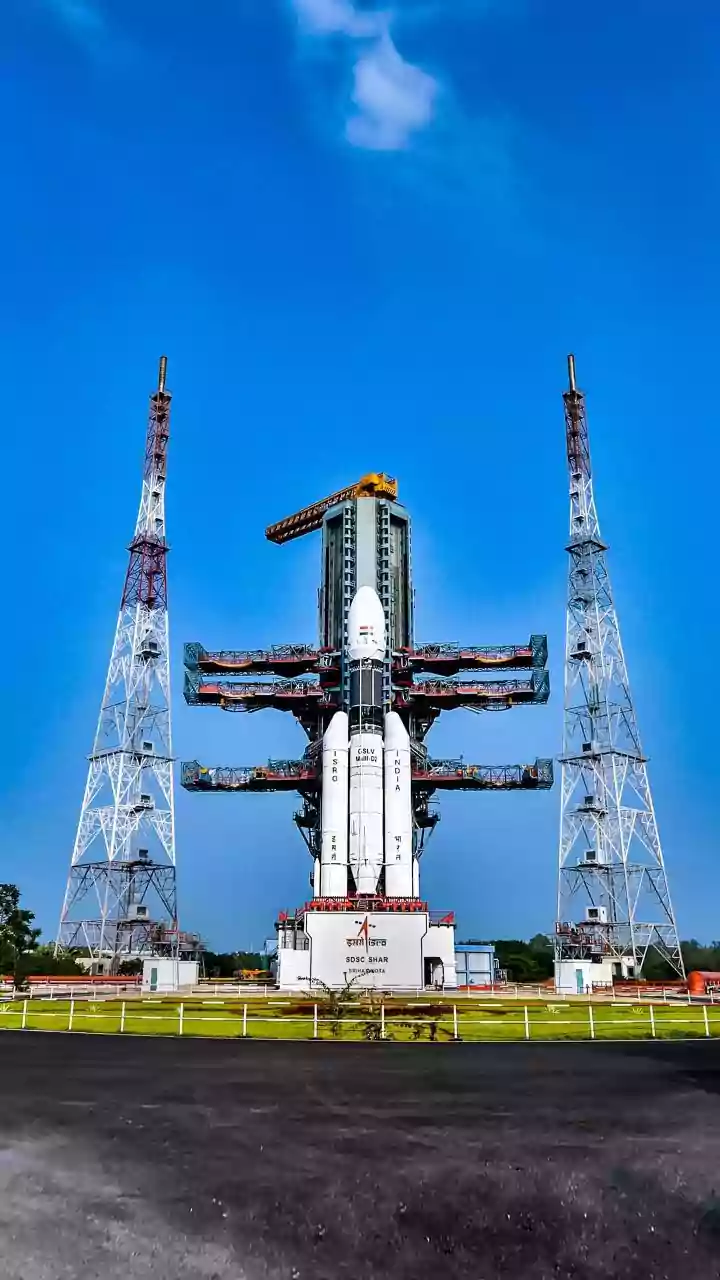
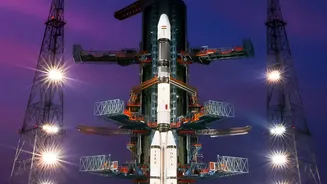
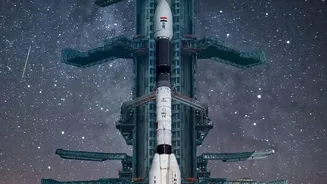
India's participation in World Space Week is vibrant and widespread, largely spearheaded by the Indian Space Research Organisation (ISRO). ISRO centres across the country, particularly in hubs like Thiruvananthapuram, are organising a host of events. These include lectures by scientists, outreach programmes, and even a sounding rocket launch. Institutions like Sethu Institute of Technology and SRMIST are collaborating with ISRO to host competitions for school and college students, ranging from glider and CAD design competitions to workshops on rocketry. The aim is to bring India's space achievements, from its launch vehicle technology to its ambitious missions like Chandrayaan and Gaganyaan, closer to the public and inspire the next generation of innovators.
How Space Tech Powers Your Daily Life
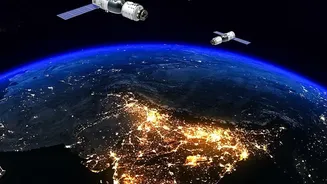
The 'everyday conversations' aspect of the headline is more literal than you might think. Many technologies we rely on daily are powered by space infrastructure. When you use a map on your phone, you are using satellite navigation services like GPS or India's own NavIC system. The weather forecasts that help you plan your day are informed by data from meteorological satellites. Satellite communication enables television broadcasts, internet services, and phone calls, especially in remote areas. Beyond convenience, space technology is vital for national development, assisting in disaster management by identifying vulnerable areas, monitoring natural resources, and supporting agriculture.
Inspiring Tomorrow's Scientists and Engineers
A core mission of World Space Week is to spark curiosity and encourage students to explore careers in science, technology, engineering, and mathematics (STEM). In India, events are designed to be interactive and engaging. ISRO scientists deliver lectures at schools across states like Kerala, while student-focused programmes invite young minds to present their own ideas on space technology. Through quizzes, drawing competitions, and hands-on workshops, the week provides a platform for students to connect with space science in a tangible way. For many, it's the first step towards a future in India's rapidly growing space sector, which has seen the number of space startups grow from just one in 2014 to over 400.