
A Shocking New Normal
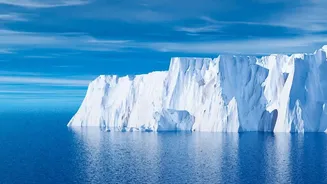
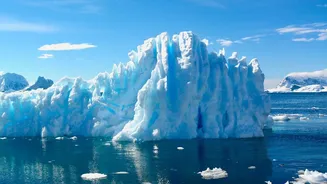
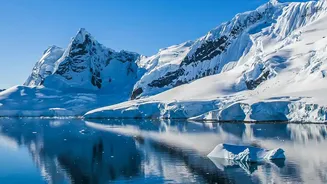
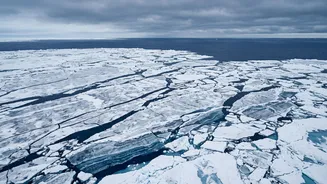
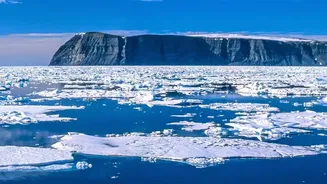
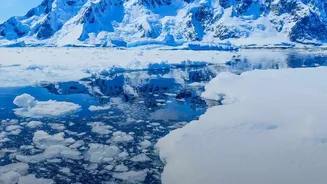
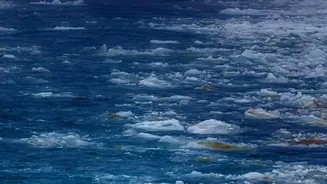
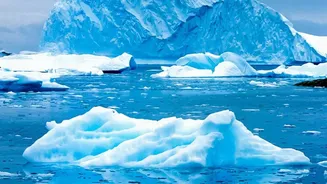
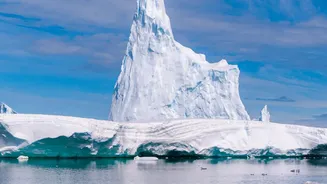
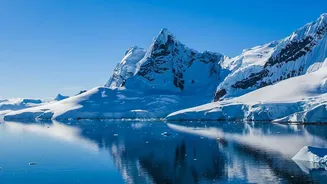
The latest figures from September 2026 are stark. Scientists confirmed that Antarctica's winter sea ice reached its third-lowest maximum extent ever recorded. The ice peaked on September 14 at 17.59 million square kilometres, which is about one million square kilometres below
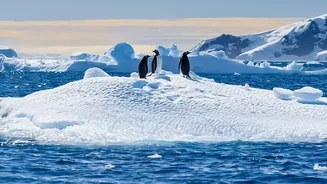
the long-term average—an area roughly twice the size of Spain. Perhaps more troubling than a single low number is the emerging pattern: the four lowest winter sea ice maximums in the 48-year satellite record have all occurred in the last four years. This consistency has led experts to declare that this is no longer a one-off event but a clear indication of a system that has fundamentally changed. The steady decline is a stark departure from the past when Antarctic sea ice levels fluctuated but remained relatively stable, even expanding at times.
A Southern Anomaly No More
For years, climate scientists have pointed to the rapid, predictable decline of Arctic sea ice as a clear sign of global warming. Antarctica, however, was always more complex. Its vast, deep surrounding ocean and unique weather patterns seemed to insulate it from the more dramatic effects seen at the North Pole. But that resilience appears to be over. Beginning around 2016, the system abruptly shifted, plunging to record lows from which it has not recovered. Scientists are now concerned that the southern pole is finally catching up. Dr. Ariaan Purich, a Southern Ocean expert, noted that the repeated low winters suggest the sea ice is behaving differently because the climate has been warmed. This isn't a future problem; it's a now problem, she warns.
The Search for a Cause
So what flipped the switch? Researchers are pointing to a 'triple whammy' of factors. A leading theory is that warmer ocean water, which was previously trapped in deeper layers, is now being mixed up to the surface. This heat makes it much more difficult for new ice to form and melts existing ice from below. This upwelling is driven by stronger and shifting winds around the continent, which are themselves likely intensified by global warming. Climate patterns like El Niño may also play a role by altering storm tracks and churning up the ocean, further breaking up the ice. However, scientists believe that even without El Niño, the overall warming trend in the Southern Ocean is the dominant force. As one expert put it, atmospheric patterns can vary, but in the end, thermodynamics wins. If the water is too warm, you won't get as much sea ice.
The Unsettling Questions for Our Future
The dramatic shift in Antarctic sea ice raises profound questions that challenge existing climate models. For a long time, most models predicted a steady decline, but they failed to capture the decades of stability and subsequent sudden collapse. This suggests that crucial interactions between the ice, ocean, and atmosphere are not fully understood. A major concern is the feedback loop: less ice means more dark ocean water is exposed, which absorbs sunlight instead of reflecting it, leading to even more warming. This loss of reflective sea ice also exposes the continent's massive land-based ice shelves to the open ocean, where wave action and warmer water can weaken them. These shelves act as crucial doorstops, holding back glaciers that contain enough water to raise global sea levels by several metres. Scientists are now urgently calling for more research into previously stable regions like the Wilkes Subglacial Basin, which holds enough ice to raise sea levels by three to four metres alone, to understand its stability in this new, warmer world.