





The Soul of a Good Vegetable Biryani
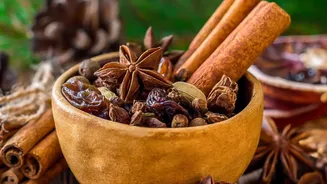
No conversation about aromatic Indian food is complete without mentioning biryani. The magic of a truly great vegetable biryani lies not just in the fluffy rice and tender vegetables, but in the fragrant blend of whole spices, or 'khada masala', that
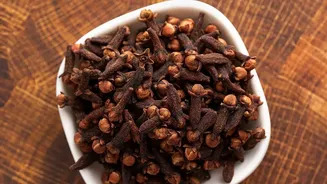
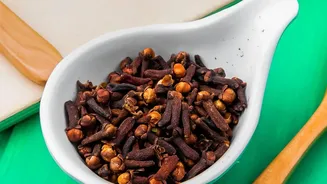
infuses every single grain. Cloves are a non-negotiable hero in this blend. When bloomed in hot ghee or oil alongside cinnamon, cardamom, and bay leaves, whole cloves release a pungent, sweet, and woody perfume that forms the base layer of the dish's complex flavour. They impart a warm, almost peppery note that cuts through the richness and ensures the final dish is fragrant and deeply satisfying. Without the assertive presence of a few whole cloves, a biryani would simply be a vegetable pulao.
The Secret to a Deeper Chana Masala
Chana Masala, a beloved chickpea curry across India, owes much of its signature taste to a carefully constructed spice powder. While recipes vary, cloves are a consistent ingredient in authentic chana masala powder. Here, they are typically toasted and ground with other spices like coriander, cumin, and cardamom. In their powdered form, the flavour of cloves becomes less sharp and more integrated, providing a crucial background warmth. This warmth is essential for balancing the tartness from tomatoes and amchur (dried mango powder), two other key ingredients in the dish. The result is a curry that isn't just tangy or spicy, but has a profound, lingering depth that makes it so comforting and moreish.
Warming Up a Comfort Classic: Rajma
Much like its chickpea counterpart, Rajma Masala is a hearty kidney bean curry that is a staple in many North Indian homes. Cloves play a similar, vital role here, often as part of the foundational garam masala added towards the end of cooking. The earthy flavour of kidney beans is a perfect match for the sweet and spicy notes of clove. The spice adds a layer of warmth that complements the creamy texture of the beans and the gentle heat from ginger and chillies. Whether it's a couple of whole cloves added to the pot while the beans simmer or as part of a final garnish of garam masala, its aromatic touch transforms a simple bean stew into a rich and nuanced meal, solidifying its status as ultimate comfort food.
Transforming Your Everyday Dal
A simple bowl of dal is the bedrock of daily Indian meals, but it can be easily elevated with a flavourful tempering, or 'tadka'. This is where cloves can work wonders in just a few seconds. Frying one or two whole cloves in hot ghee or oil until they are fragrant is a classic technique. This process, known as blooming, releases their potent essential oils. When this infused oil is poured over cooked lentils, such as toor or masoor dal, it imparts a beautiful, smoky aroma and a subtle, warming flavour throughout the dish. It’s a simple step that adds incredible complexity, proving that even the most humble ingredients can be made extraordinary with the right spice.
Perfuming a Rich Vegetable Korma
Vegetable Korma is known for its luxurious, creamy sauce, often made with a paste of cashews, coconut, or yoghurt. Unlike more robust curries, a korma is about subtlety and fragrance. Cloves are used here with a lighter touch, but their role is just as important. They are typically included whole in the initial spice infusion, gently perfuming the oil before the other ingredients are added. Their purpose is not to dominate but to contribute a delicate, sweet-spicy note to the aromatic bouquet, which often includes green cardamom and cinnamon. This subtle warmth prevents the creamy sauce from feeling too heavy and adds a sophisticated layer of flavour that makes the dish feel special and celebratory.