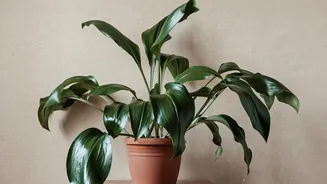


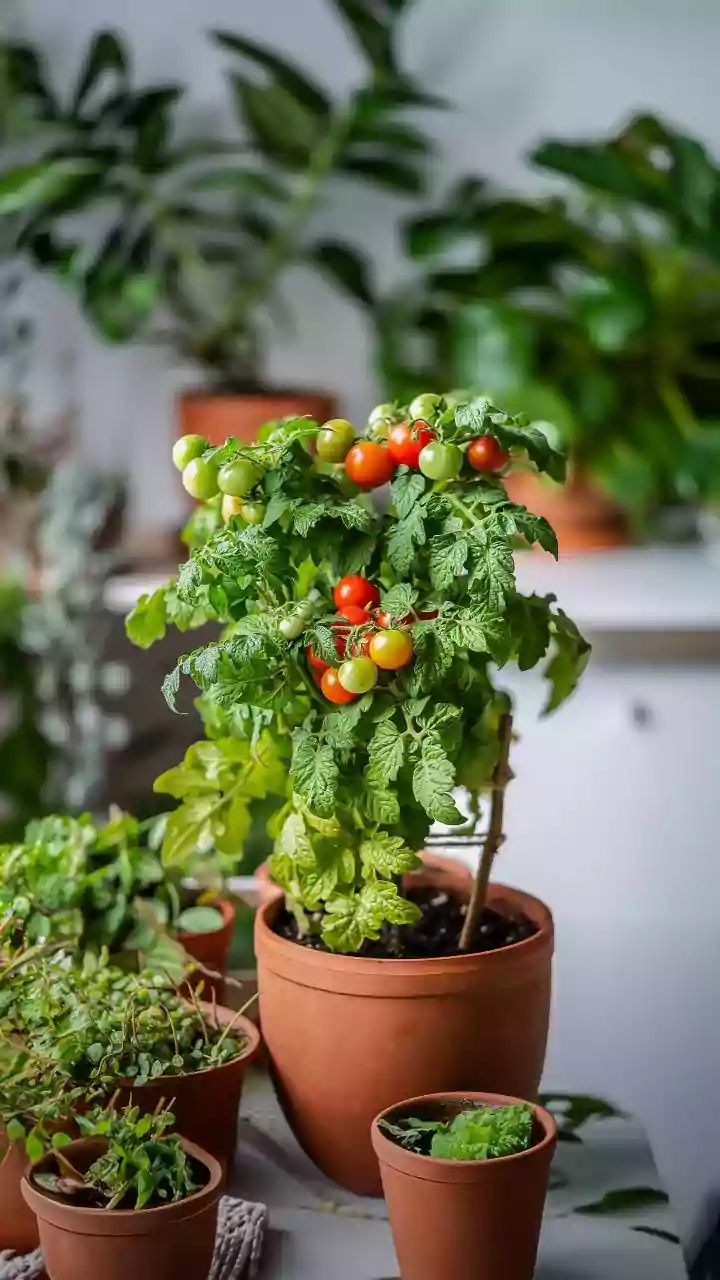

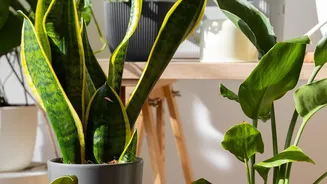
The idea that a few houseplants can scrub your indoor air clean is appealing. But while the snake plant on your nightstand is a great roommate, its air-purifying powers might not be what you think. Let’s look at the science.
The Myth's Origin: A Famous NASA Study
The belief that houseplants
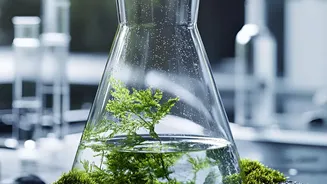
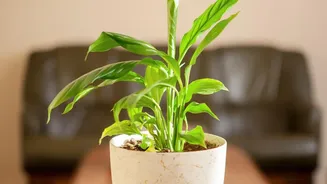
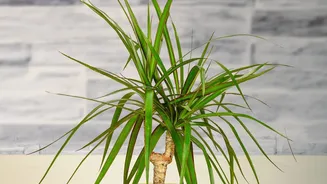
are nature's air purifiers is largely rooted in a 1989 NASA study. Researchers were looking for ways to clean the air in sealed environments like space stations. They placed common houseplants in small, sealed chambers and injected pollutants like formaldehyde and benzene. The results were promising: the plants did, in fact, absorb some of these volatile organic compounds (VOCs). Species like the Peace Lily, Spider Plant, and English Ivy became famous for their supposed air-cleaning abilities, and a wellness trend was born.
From Sealed Chamber to Living Room
The problem is that your home is not a sealed space station. A 2019 review of decades of research published in the Journal of Exposure Science and Environmental Epidemiology poured cold water on the idea. Researchers Michael Waring and Bryan Cummings found that in a typical home or office, natural air exchange—from open windows, doors, and ventilation systems—removes pollutants far more quickly and effectively than plants can. The slow rate at which plants absorb VOCs is almost negligible compared to the constant flow of air in a real-world building. A home's air volume is vastly larger than the tiny chambers used in the original studies, which further dilutes any effect.
The Numbers Are Staggering
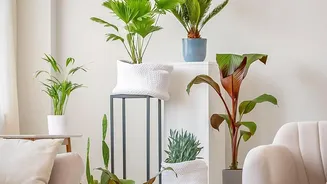
So, how many plants would it take to make a real difference? The 2019 Drexel University review did the maths, and the results are eye-opening. To match the basic air-cleaning rate of a building's ventilation system, you would need an almost impossible number of plants. The estimates suggest you would require anywhere from 10 to 1,000 plants per square metre of floor space. In a modest 1,500-square-foot home, that could mean needing well over 680 plants to have a significant impact on air quality. For most people, creating an indoor jungle of that density simply isn't practical.
Not Useless, Just Misunderstood
This doesn't mean your plants are doing nothing. Their biggest benefits may be psychological, not atmospheric. Multiple studies show that being around indoor plants can reduce stress, improve mood, and increase feelings of wellbeing. A 2015 study found that interacting with plants can induce physiological and psychological relaxation. Some research suggests they can help increase productivity and focus in a work environment. Plants also release moisture through a process called transpiration, which can help regulate humidity levels, especially in dry winter months. So, while they aren't powerful air filters, they are excellent for mental health and creating a pleasant environment.
The Real Path to Cleaner Indoor Air
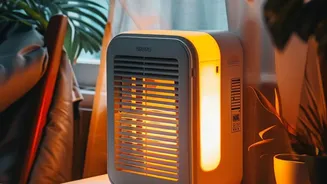
If you're serious about improving your home's air quality, focus on two main strategies: ventilation and source control. Regularly opening windows to allow for fresh air circulation is one of the most effective methods. Use exhaust fans in kitchens and bathrooms to remove moisture and pollutants at the source. You can also invest in an air purifier with a HEPA filter, which is designed to capture tiny airborne particles effectively. Reducing the sources of VOCs in the first place by choosing low-VOC paints, furnishings, and cleaning products can also make a significant difference.