



Go Big, But Be Smart
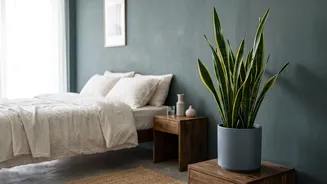
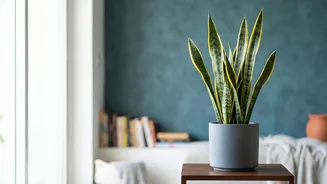
It might sound counterintuitive, but a single large plant can actually make a small bedroom feel bigger. A tall, slender plant draws the eye upward, creating an illusion of height and space. Instead of cluttering surfaces with many small pots, one statement
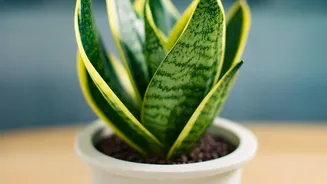
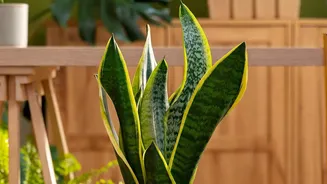
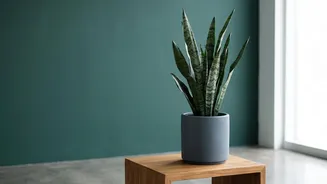
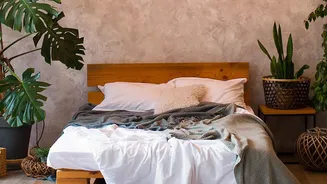
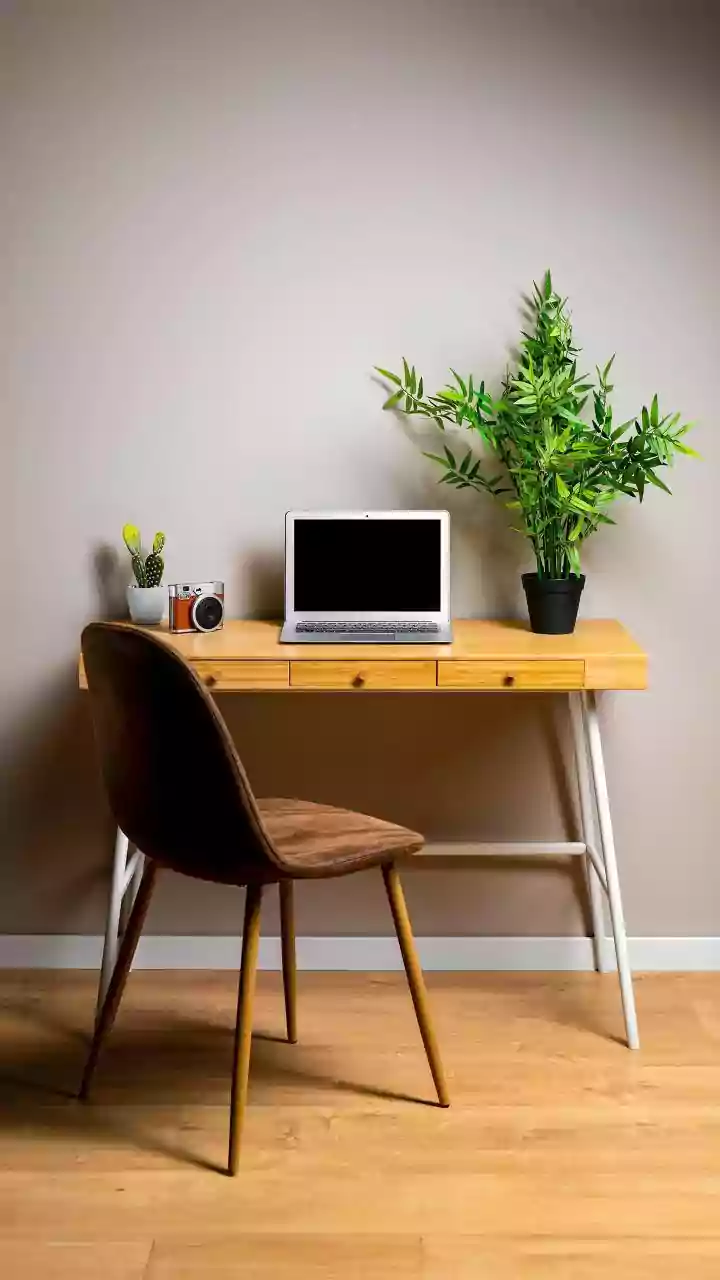
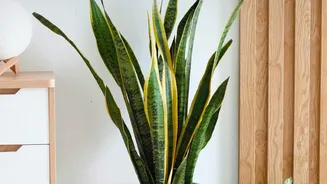
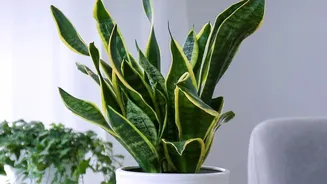
plant in a corner can serve as a living sculpture, anchoring the room without overwhelming it. Look for plants with a narrow profile that grow vertically, such as a snake plant or a fiddle leaf fig in a streamlined pot. This approach creates a single, impactful focal point, reducing visual noise and making the room feel more curated and intentional. Placing a large plant next to a desk or behind a chair can also soften the hard edges of furniture.
The Art of the Grouping
If you love the look of multiple plants, the key is to group them thoughtfully. Clustering several small-to-medium plants on a dresser, nightstand, or windowsill creates a bigger visual impact than scattering them around the room. For a cohesive, designer-like feel, follow the 'rule of three' by varying the heights and textures of your chosen plants. This creates a miniature landscape with depth and interest. To avoid a chaotic look, limit your planter materials to just one or two styles, such as terracotta and a neutral ceramic. This ensures the focus remains on the beautiful foliage, not a mismatched collection of pots.
Think Vertically to Save Space
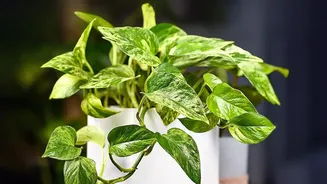
When floor and surface space are at a premium, the only way to go is up. Using your room's vertical space is a classic small-space trick that works beautifully with plants. Trailing plants like pothos or philodendrons are perfect for this. Let them cascade down from a high shelf or the top of a wardrobe to create a lush, living curtain of green. Hanging planters are another excellent option, allowing you to add greenery without taking up any surface area at all. They can be suspended from the ceiling in a corner or near a window, adding life and dimension at eye level. This strategy not only saves space but also adds a dynamic, layered look to your bedroom decor.
Proportion Is Key
The size of the plant is only half the equation; the size of its pot and its placement are just as crucial. A tiny succulent in an oversized, bulky pot will look out of place and feel visually heavy. Conversely, a large plant crammed into a too-small container looks unbalanced and can be unhealthy for the plant. The goal is to create harmony. Ensure your pot is appropriately sized for your plant, allowing room for growth while complementing its scale. Before you commit, consider the plant's final location. A medium-sized plant might look great on a wide dresser but could easily overwhelm a narrow bedside table.
Choosing the Right Plant
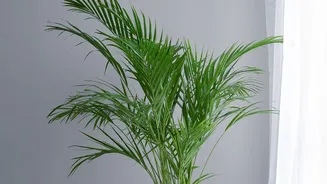
Ultimately, the best plant is one that will thrive in your specific environment. Many popular, easy-care houseplants are perfectly suited for bedrooms. Snake plants, ZZ plants, and pothos are famously low-maintenance and tolerate lower light conditions. A philodendron is another forgiving choice that can be grown on a nightstand or shelf. For brighter rooms, consider a parlour palm or a colourful calathea. Before buying, always check the plant's light and water requirements to ensure it matches what your bedroom can offer. Some common houseplants are also toxic if ingested, so be sure to check if they are safe for any pets or children in the home.