


An Engineering Marvel Through Nature
The Konkan Railway isn't just a track connecting cities; it's a triumph of Indian engineering. Spanning roughly 741 kilometres, the line cuts through the formidable Sahyadri mountains, a region previously considered too difficult for a direct coastal
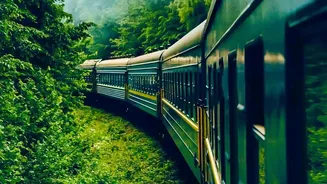
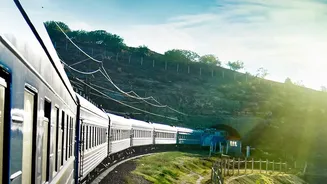
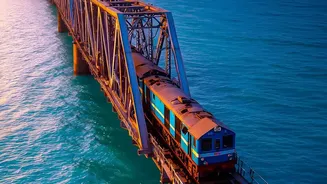
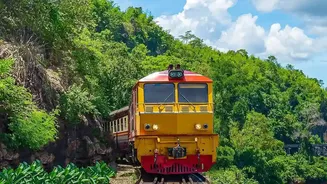
railway link. Construction in the 1990s involved navigating plunging valleys and dense forests, resulting in a line that features over 2,000 bridges and 91 tunnels. This remarkable feat of perseverance created a vital link between Maharashtra, Goa, and Karnataka, forever changing the lives of people in the region. For passengers, it translates into a journey where the train glides over majestic rivers, ducks into dark tunnels, and emerges into breathtaking vistas of lush greenery and the shimmering Arabian Sea.
Choosing Your Chariot
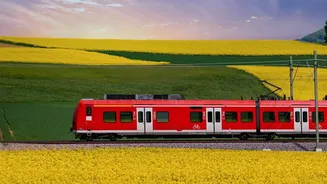
Several trains ply this scenic route, each offering a different experience. For those seeking speed and modern comfort, options like the Tejas Express and Vande Bharat Express provide a swift, air-conditioned journey with large windows to soak in the views. Daytime trains such as the Mandovi Express or Jan Shatabdi Express are popular choices as they allow you to witness the entire landscape in daylight. Other reliable services include the Matsyagandha Express and the Mangaluru Express, which have been favourites for years. The journey typically takes between 16 to 20 hours, depending on the train. Booking in advance is highly recommended, especially during peak seasons and long weekends, to secure a seat.
The Magic of the Monsoon
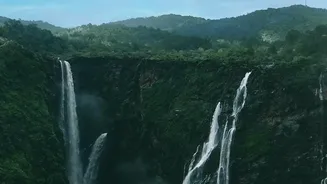
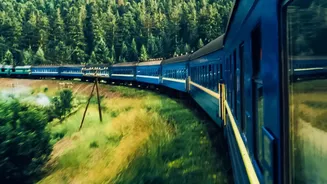
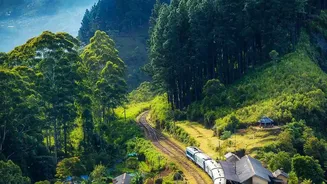
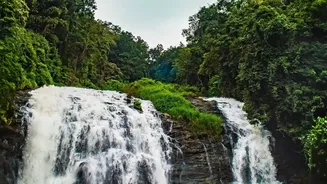
While the journey is beautiful year-round, it takes on an almost magical quality during the monsoon months from June to September. The rains transform the Konkan coast into a vibrant, emerald paradise. The landscape erupts in countless shades of green, rivers swell, and seasonal waterfalls cascade down the sides of the hills, sometimes right next to the tracks. While there can be occasional delays due to heavy rain, many seasoned travellers believe this is the absolute best time to experience the route's dramatic beauty. The sight of the rain-drenched scenery from your window, often accompanied by a hot cup of tea, is an experience that stays with you long after the journey is over.
A Feast for the Eyes
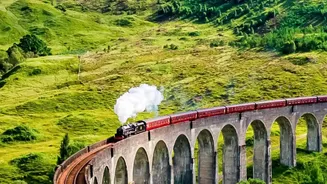
As the train chugs south from the urban sprawl of Mumbai, the scenery rapidly shifts to a rural panorama. You'll pass through paddy fields, coconut groves, and quaint villages. The route is a constant interplay between the coast and the Western Ghats. Key sections to watch for include the approach to Ratnagiri, famous for its Alphonso mangoes, and the entry into Goa, where the landscape is dotted with charming churches and tropical greenery. The journey also features some of the longest bridges on the Indian rail network, such as the one over the Sharavati River at Honnavar, offering expansive views that are a photographer's delight. For the best chance at coastal views, try to get a window seat on the left side of the train when travelling south from Mumbai.
Tips for the Tracks
To make the most of this coastal ride, a little planning goes a long way. Arrive at the station with time to spare to avoid any last-minute stress. While most long-distance trains have pantry cars, it's always a good idea to pack some of your own snacks and water. Keep your camera or phone ready, as stunning views can appear unexpectedly after every tunnel and turn. If you're travelling in an air-conditioned coach, be aware that the windows might have a heavy tint, which can slightly dull the scenery. For an unfiltered view, some travellers prefer standing near the open doors in general or sleeper coaches, though safety should always be the priority. Embracing the journey's pace and allowing yourself to get lost in the scenery is the best way to enjoy this unique ride.