




The Science of Natural Sweetness
Tomatoes are technically fruits, and like many fruits, they contain natural sugars, primarily fructose and glucose. When you cook tomatoes, the first thing that happens is that their cell walls break down. This releases a significant amount of water —
tomatoes can be up to 95% water by weight. As this water evaporates during a long, slow simmer, everything left behind becomes more concentrated. This includes the natural sugars, which means the tomato's inherent sweetness becomes much more prominent without adding a single crystal of refined sugar. This simple process of reduction is the foundational step to unlocking the deep flavour potential of any tomato, whether it's a prized heirloom or a humble canned variety.
The Magic of Maillard and Caramelization
Beyond simple concentration, two key chemical reactions transform the flavour of cooking tomatoes: caramelization and the Maillard reaction. Caramelization happens when the natural sugars in the tomatoes break down under heat, creating new, complex compounds that are richer and less one-dimensionally sweet. This process adds a jammy depth and reduces tartness. The Maillard reaction is even more complex. It's a reaction between amino acids and reducing sugars that, at temperatures above 149°C, creates hundreds of new flavour compounds. These are the same reactions that give a seared steak its savoury crust or roasted coffee its deep aroma. In tomatoes, they create nutty, roasted, and even meaty notes that add layers of complexity you can't get from sugar alone.
Unlocking the Power of Umami
Tomatoes are a powerhouse of umami, the fifth basic taste often described as savoury or meaty. This is thanks to their high concentration of an amino acid called glutamate. Ripe tomatoes have significantly more glutamate than unripe ones, and the gel surrounding the seeds is particularly rich in it. When you cook tomatoes down, you’re not just concentrating their sugars; you’re also concentrating this glutamate. This intensification of umami provides a profound savoury depth that naturally balances the tomato's acidity. A long, slow cook increases umami far more than a quick sauté. This is why a ragù that has simmered for hours has a satisfying richness that a rapidly cooked sauce simply cannot match.
How to Achieve Maximum Flavour
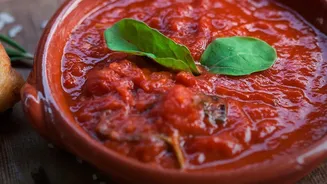
To put this science into practice, patience is key. Start by using a wide pan, like a Dutch oven or a large skillet. A wider surface area allows water to evaporate more quickly and efficiently, speeding up the concentration process. Don't overcrowd the pan, as this will cause the tomatoes to steam rather than roast or fry, inhibiting browning. Cook them low and slow, allowing the sugars time to caramelize and the Maillard reaction to work its magic. Stirring occasionally prevents scorching and ensures even cooking. For an extra boost, start by frying a bit of tomato paste in olive oil before adding your other tomatoes. Tomato paste is simply tomatoes that have already been cooked down, so it gives you a head start on developing those deep, cooked flavours.
When a Pinch of Sugar Can Still Help
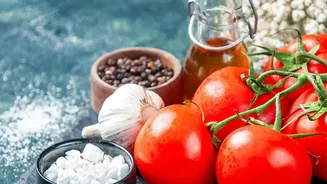
Does this mean you should banish sugar from your sauce-making forever? Not necessarily. Sometimes, particularly when using less-ripe, out-of-season tomatoes, the acidity can be overpowering even after long cooking. In these cases, a very small pinch of sugar can act as a final balancing agent, much like a pinch of salt enhances flavour. Think of it as a final seasoning adjustment rather than a primary ingredient. Another trick used by chefs is to add a tiny pinch of baking soda (about ¼ teaspoon per cup of sauce), which neutralizes acidity without adding any sweetness at all. However, by focusing on proper cooking technique first, you’ll find that the need for these additions becomes the exception, not the rule.