






The Sun Sets, But The Heat Remains
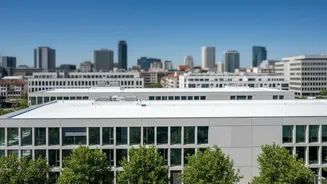
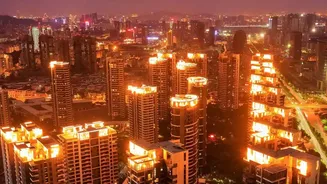
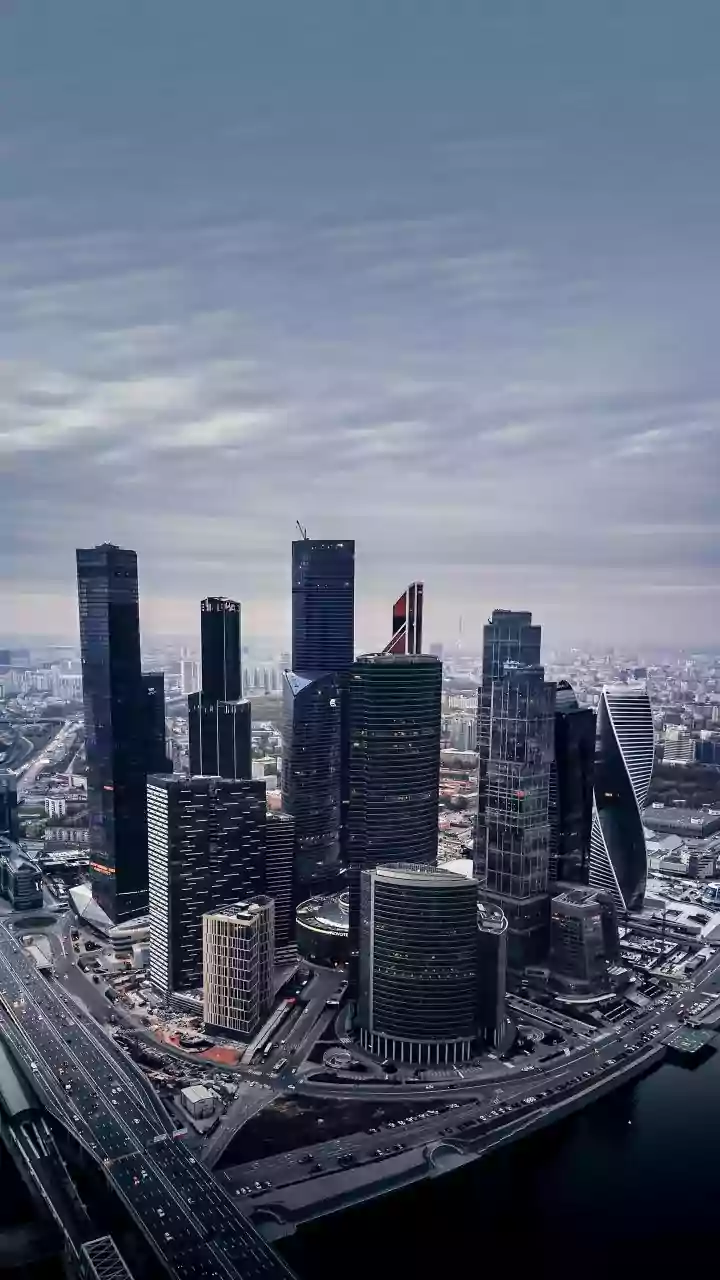
The phenomenon of increasingly warm nights is a critical, yet often ignored, aspect of urban heat. Known as the urban heat island effect, it's particularly pronounced after sunset. Materials like concrete, asphalt, and dark roofing that are staples of city
infrastructure absorb huge amounts of solar radiation during the day. Unlike natural landscapes, which cool down relatively quickly, these dense materials slowly release that stored heat all night long. This means that while rural areas might see a significant temperature drop, city centres remain several degrees warmer, creating an 'island' of heat. Nights are warming faster than days in many parts of the world, a trend that turns homes into furnaces and denies the population a crucial period of recovery.
A Body Under Constant Attack
This lack of nighttime cooling is not just uncomfortable; it's a profound threat to public health. The human body needs to lower its core temperature to rest and repair itself after the stresses of the day. When nighttime temperatures remain high, the body is under constant strain, unable to find respite. This cumulative stress dramatically increases the risk of heat exhaustion, heatstroke, and cardiovascular events. Studies show a clear link between high nighttime temperatures and increased mortality, particularly from strokes and heart conditions. Vulnerable populations—the elderly, young children, and those with pre-existing conditions like diabetes or respiratory illnesses—are at the highest risk. The relentless heat also disrupts sleep, which is essential for physical and mental health, leading to reduced productivity, weakened immunity, and other long-term health problems.
India's Megacities on The Brink
In India, where heatwaves are becoming more frequent and intense, this issue is particularly acute. A 2025 report found that 35 out of 36 states and union territories have seen a rise in nighttime temperatures. Major metropolitan areas like Chennai, Mumbai, and Kolkata are recording some of the highest overall sleep losses in the world due to heat, with residents losing between 80 to 93 hours of sleep annually. For many urban Indians, especially those in low-income housing with poor ventilation and no access to air conditioning, there is no escape. Thermal imaging in Delhi flats has shown indoor temperatures remaining in the high 30s late into the night. Data from Ahmedabad has shown that when daytime temperatures exceed 45°C, daily mortality rates can more than double if the nighttime temperature also fails to drop below 30°C, highlighting a direct and deadly correlation.
Searching for A Cooler Tomorrow
Tackling the problem of warm nights requires a fundamental rethinking of how we design and build our cities. The solutions are not just about installing more air conditioners, which can ironically release more waste heat into the environment. Instead, cities must focus on sustainable urban planning. Strategies include 'cool roofs'—painting surfaces with white or reflective coatings to reduce heat absorption—which can lower surface temperatures significantly. Expanding green infrastructure is also crucial. Planting more trees for shade, creating parks, and installing green roofs and walls helps cool the air through a natural process called evapotranspiration. Other innovative solutions include using permeable pavements that allow water to filter through and cool the ground, and designing buildings and street layouts to improve airflow.