






A Quick Refresher on UDAN
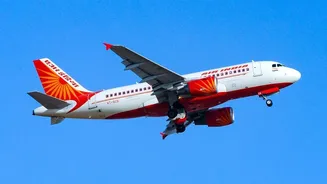
Launched as the Ude Desh ka Aam Nagrik (Let the Common Citizen Fly) scheme, UDAN’s primary goal has always been simple yet revolutionary: to make air travel affordable and accessible for millions of Indians in smaller towns. It did this primarily through
Viability Gap Funding (VGF), a subsidy shared between the central and state governments. This funding would be provided to airlines for a fixed period, typically three years, to cover potential losses on newly activated routes connecting underserved and unserved airports. The scheme has been credited with operationalising hundreds of routes and dozens of airports that were previously just dots on a map, fundamentally changing the travel calculus for many.
The New Blueprint: Investment Over Subsidy
The latest agreements under the UDAN framework signal a crucial evolution in thinking. While VGF was effective at kick-starting operations, officials have recognised that a three-year support window is often not enough to make a route independently profitable. Airlines would sometimes withdraw from a route once the subsidy period ended, leaving the airport dormant once again. The new approach addresses this head-on by pairing route connectivity with a longer-term, more robust investment programme. Instead of focusing solely on the airline's operational costs, the new model allocates funds for comprehensive airport development, ensuring these facilities are built to last and can generate their own revenue streams beyond just passenger tickets.
From Airstrips to Economic Engines
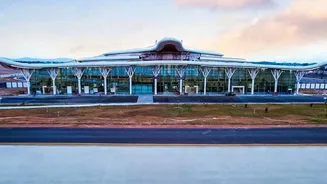
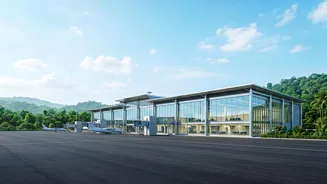
So, what does a 'longer investment programme' actually entail? It’s about upgrading the entire airport ecosystem. This includes constructing modern terminal buildings to improve passenger experience, extending runways to accommodate larger aircraft, and building dedicated cargo facilities to boost local trade. The plan also focuses on improving last-mile connectivity to the airport through better roads and transport links. The idea is to transform these regional airports from simple airstrips into integrated economic hubs. By investing in infrastructure that can support not just passenger flights but also logistics, tourism, and local commerce, the government is creating a foundation for sustained economic activity that will long outlast any initial subsidy.
Connecting India’s Heartland
This renewed focus will primarily benefit Tier-2 and Tier-3 cities, many of which have the economic potential but lack the critical infrastructure to unlock it. States with significant tourism circuits, agricultural belts, or emerging industrial zones are prime candidates for these enhanced agreements. For example, a region known for its handicrafts or agricultural produce can leverage new cargo facilities to ship goods to national markets faster. Similarly, areas with historical or natural attractions that were previously difficult to reach can now open up to a wider tourist audience. This creates a powerful ripple effect, stimulating local economies, creating jobs in hospitality and logistics, and helping to distribute economic growth more evenly across the country.
Navigating Potential Turbulence
Despite the promising vision, challenges remain. The success of this model hinges on sustained financial commitment from both central and state governments over a longer period. Attracting private investment to supplement public funds will also be crucial for building out non-aeronautical revenue sources like retail and hospitality at these airports. Furthermore, airlines must remain willing partners, confident that the developing infrastructure and growing passenger demand will eventually lead to profitable operations without perpetual subsidies. Ensuring a steady pipeline of trained manpower, from air traffic controllers to ground staff, is another operational hurdle that needs to be addressed for these newly upgraded airports to function smoothly and safely.