


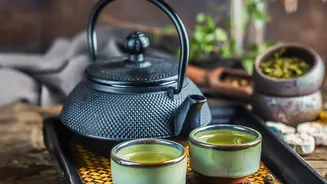

The Green Wave in India
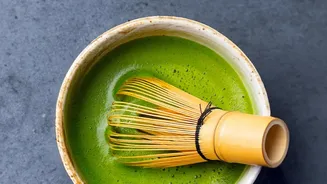
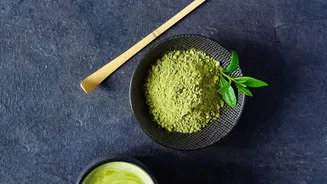
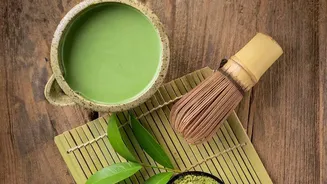
From Delhi and Mumbai to Bengaluru, matcha has officially arrived. What started as a wellness trend has blossomed into a full-blown cultural phenomenon, moving from niche cafes to mainstream menus and even home kitchens. According to Google Trends data,
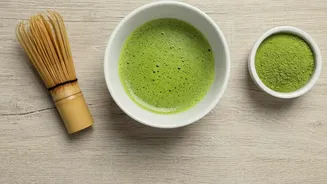
searches in India for 'how to make matcha' surged by a staggering 1,300% over the past year. This demand isn't just for lattes; it extends to matcha-infused desserts, skincare, and even fashion. The Indian matcha market was valued at nearly USD 46 million in 2025 and is projected to grow at almost 10% annually, making it one of the fastest-growing beverage categories in the country. This rapid growth shows a clear shift in urban Indian tastes, embracing the unique, earthy flavour and perceived health benefits of this powdered green tea.
Trouble in the Tea Fields of Japan
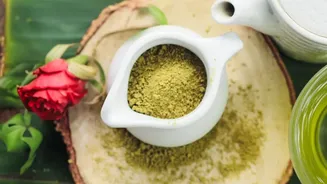
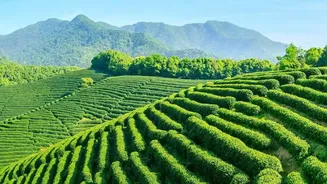
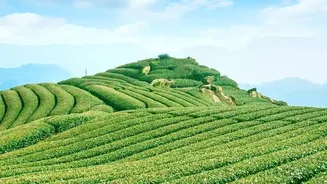
The heart of the problem lies at the source: Japan, the world's primary producer of high-quality matcha. The meticulous, labour-intensive process of growing matcha—shading tea plants, hand-picking the youngest leaves, and slowly stone-grinding them—cannot be easily scaled up. This traditional method is colliding with modern challenges. Extreme weather events linked to climate change, like record-breaking heatwaves and erratic rainfall, have damaged tea bushes, reduced harvest yields, and impacted the quality of the leaves. Furthermore, Japan's agricultural sector faces a severe demographic crisis, with an aging population of tea farmers and a shortage of younger workers to take their place. As global demand skyrockets, Japanese producers are struggling to keep pace, creating a significant bottleneck in the supply chain.
The Ripple Effect on Indian Prices
The supply crunch in Japan directly translates to higher costs in India. The price for tencha, the raw leaf used for matcha, has seen dramatic spikes in recent years. For Indian importers and cafes, this means paying a premium for a scarce product, on top of import duties and taxes that already increase the cost. The result is that a single matcha latte at a cafe can cost anywhere from Rs 250 to Rs 450. This price pressure has also led to a more troubling issue: a rise in low-quality or outright fake matcha. Industry estimates suggest a significant portion of 'matcha' sold in India is actually mislabelled green tea dust or even adulterated powders, which lack the flavour and health benefits of the real thing. For consumers, this makes it difficult to know if they are paying for genuine, high-grade Japanese matcha.
Innovating to Keep the Craze Alive
Indian businesses are not just passively accepting the high costs. Some cafes are absorbing the price hikes to retain customers, while others are focusing on educating their patrons about what makes real matcha special. A more significant development is the move toward local production. In a pioneering effort, a tea estate in Assam has started producing India's first commercial batch of matcha, using local tea varieties and Japanese machinery. While this is a small first step, it points to a potential future where India, one of the world's largest tea producers, could cultivate its own matcha to serve the booming domestic market. This could eventually make the green drink more accessible and affordable, securing the future of the matcha trend by giving it local roots.