


The Blueprint: What Do We Mean by 'Mediterranean'?
Before diving into the differences, it's worth remembering the common threads that link these diets. At its core, the Mediterranean diet isn't a strict set of rules but a lifestyle pattern. It emphasizes an abundance of plant-based foods like fresh fruits,
vegetables, whole grains, nuts, and legumes. Olive oil is the primary source of fat, replacing butter and other oils. Fish and poultry are eaten in moderation, while red and processed meats are limited. This general framework, first popularized by studies in the 1960s, is what most people picture, but it’s just the starting point.
Greece: The Original Plant-Forward Plate
The traditional Greek diet, particularly that of Crete which was central to early studies, is heavily plant-based. It's characterized by a very high intake of vegetables, including wild foraged greens known as 'horta', and an abundance of legumes. Olive oil is used generously. Dairy is present, mainly as yogurt and cheese, like feta. While Greece is surrounded by sea, historical patterns in rural areas featured small amounts of fish, with red meat reserved for special occasions, consumed only a few times a month. This ancient way of eating is deeply connected to the land and the rhythm of the seasons.
Italy: It's All Regional
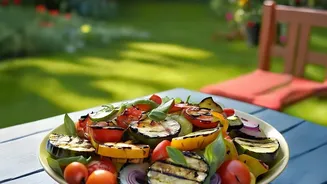
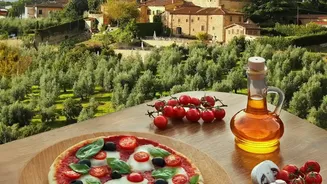
Speaking of a single "Italian diet" is almost impossible; the country's culinary traditions vary dramatically from north to south. The version that aligns with the Mediterranean ideal is found in Southern Italy. This pattern historically relied heavily on cereals like pasta and bread, vegetables like tomatoes and eggplant, and, of course, olive oil. Lunch is traditionally the main meal of the day, often consisting of multiple courses. While pasta and pizza are iconic, the traditional diet was simple, agrarian fare, with meat, fish, and eggs consumed in small quantities compared to grains and vegetables.
Spain: Social Dining and Savory Flavors
The Spanish approach is rooted in high-quality seasonal ingredients prepared with simple techniques. Like its neighbors, it features plenty of olive oil, vegetables, legumes, and fruits. A key distinction is the social aspect of eating, embodied by tapas culture, where small shared plates encourage connection. Spanish meals often start late, with lunch being the main event between 2:00 and 4:00 PM. The cuisine has a strong emphasis on seafood, especially in coastal areas, as well as cured meats like jamón. The use of nuts, particularly almonds, in sauces and dishes is another defining characteristic.
Beyond Europe: North Africa and the Adriatic
The Mediterranean diet's influence extends far beyond the 'big three'. In Morocco, the diet incorporates a North African flair with spices like cumin, ginger, and saffron playing a central role in tagines and couscous dishes. Like other Mediterranean countries, olive oil, pulses, and vegetables are staples. Meanwhile, in Adriatic countries like Croatia, the diet also holds a place on UNESCO's Intangible Cultural Heritage list. Here, the focus is on local fish, prepared simply in stews (brudet) or grilled, alongside seasonal vegetables and the ever-present olive oil, reflecting a shared heritage adapted to local tastes.