


The Sweet Trap: Why Papaya Spoils So Quickly
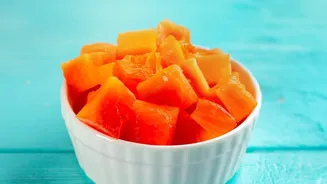
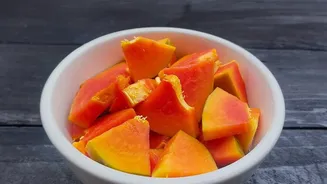
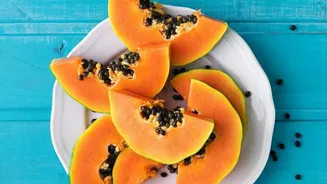
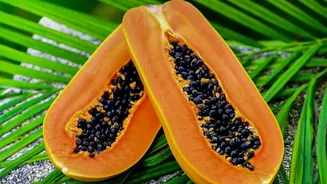
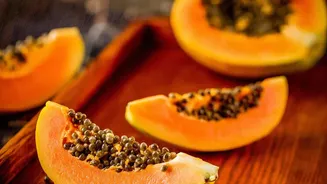
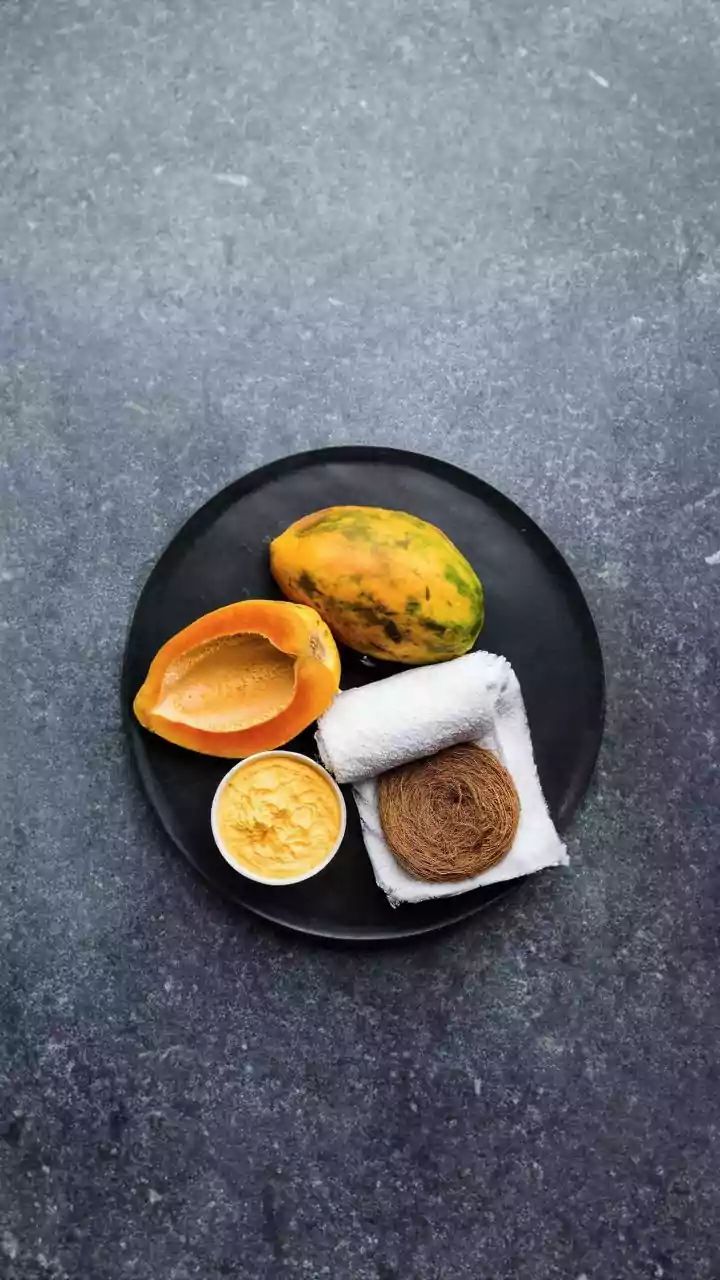
Papaya is a tropical treasure, but its very nature makes it highly perishable, especially after being cut. The fruit’s high water content and rich natural sugars create an ideal breeding ground for microorganisms. When you slice a papaya, you break its natural protective
barrier—the skin—exposing the nutrient-rich flesh to airborne bacteria and yeasts. In warm and humid conditions, this process accelerates dramatically. Temperatures between 4°C and 60°C are considered the "danger zone" for food, where bacteria can multiply rapidly. Leaving cut papaya on the counter on a hot day is an open invitation for spoilage, a process that begins within just a couple of hours.
From Healthy Treat to Health Risk
An improperly stored papaya isn't just unappetising; it can be a genuine health hazard. The same conditions that cause spoilage also encourage the growth of harmful pathogens. Papayas, like other fresh produce, have been linked to foodborne illness outbreaks, most notably from bacteria like Salmonella and E. coli. These bacteria can contaminate the fruit at various points from farm to table. While washing the outside of the fruit before cutting can help reduce risk, once the flesh is exposed and left at room temperature, any present bacteria can flourish. Symptoms of foodborne illness can range from mild stomach upset to severe gastrointestinal distress, making proper storage a crucial step in food safety.
The Two-Hour Rule: A Clock is Ticking
When it comes to food safety, time and temperature are everything. The general guideline for perishable foods, including cut fruit, is the "two-hour rule." This means that cut papaya should not be left at room temperature for more than two hours. On a particularly hot day, this window shrinks to just one hour. Once cut, the fruit should be refrigerated as promptly as possible to slow down bacterial growth and preserve its freshness. While a whole, unripe papaya can sit on your counter for days to ripen, the moment you slice into it, the clock starts ticking.
Your Guide to Perfect Papaya Storage
Keeping your cut papaya fresh and safe is simple if you follow a few key steps. First, always wash your hands and the outside of the whole papaya thoroughly with running water before you slice into it. This simple action prevents transferring bacteria from the rind to the flesh. After cutting, place the papaya pieces into an airtight container. This not only prevents the fruit from absorbing other odours in the fridge but also protects it from exposure to air, which can hasten deterioration. Store this container in the refrigerator immediately. Properly refrigerated cut papaya is best consumed within two to three days for optimal taste, texture, and safety. If you notice any fermented smell, slimy texture, or mould, it's safest to discard it.
Signs of Spoilage You Can't Ignore
Your senses are your best guide for determining if papaya is still good to eat. Fresh papaya has a sweet, musky aroma and a firm but yielding texture. If your cut papaya has gone bad, you'll likely notice a change in smell; it may become sour, fermented, or alcoholic. The texture is another clear indicator. Spoilage can make the flesh overly soft, mushy, or even watery and jelly-like. Visible signs like dark, sunken spots or any mould growth are definite signals to throw the fruit away. Trust your instincts—when in doubt, it's always better to be safe and discard any fruit that seems off.