



Samak Ke Chawal: The Fasting 'Rice'
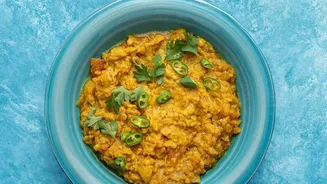
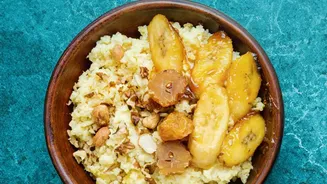
Often called 'vrat ke chawal', Samak is not a grain but a type of millet, making it a perfect staple for fasting days when regular rice is avoided. This tiny powerhouse is wonderfully versatile and cooks quickly. Its most common avatar is a simple khichdi
or pulao, sautéed with potatoes, peanuts, and mild spices like cumin and green chillies. But its potential goes far beyond that. You can grind soaked samak into a batter to create surprisingly soft idlis and crisp dosas, offering a South Indian twist to your vrat menu. For those with a sweet tooth, it can be slow-cooked with milk and sugar to make a creamy kheer, providing a comforting end to your meal. Its light texture and ability to absorb flavours make it a must-have in any Sawan pantry.
Kuttu Ka Atta: The Nutty All-Rounder
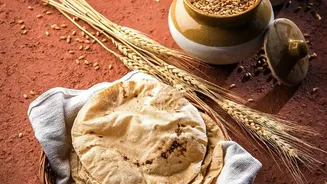
Kuttu ka atta, or buckwheat flour, is a gluten-free staple with a distinct nutty and earthy flavour. Despite its name, buckwheat is a seed, not a wheat, making it permissible for fasting. Its primary use is in making crispy puris and soft parathas, often bound with mashed potato or arbi (colocasia) to ensure the dough holds together. These flatbreads pair beautifully with a simple potato curry. However, this flour is also fantastic for making savoury pancakes or cheelas, which can be enjoyed with a side of yogurt. For a crunchy snack, you can use it to make pakoras with sliced potatoes or paneer. Even desserts are possible; kuttu ka sheera (a sweet porridge) or barfi are delicious ways to use this flour.
Makhana: The Versatile Lotus Seed
Makhana, or fox nuts, are the puffed seeds of the lotus flower and are prized for being light, crunchy, and nutritious. Their simplest form is a roasted snack, tossed in a little ghee with sendha namak (rock salt) and black pepper. But these airy puffs can do so much more. They absorb gravies beautifully, making them a wonderful addition to a rich and creamy tomato-based sabzi, turning a simple curry into a special dish. For a refreshing side, crushed roasted makhana can be added to whisked yogurt to create a delicious raita. They can also be ground with potatoes and spices to form tikkis or patties. And of course, makhana kheer, slow-simmered in milk until tender, is a classic fasting dessert.
Rajgira: The Amaranth Powerhouse
Rajgira, or amaranth, is a tiny pseudo-cereal that packs a serious nutritional punch. It is available both as a flour and as seeds, doubling its utility. The flour is excellent for making soft rotis and puris, often mixed with mashed potato for better binding. You can also make a vrat-friendly version of thepla by adding spices and coriander to the dough. Beyond flatbreads, rajgira flour can be used as a base for a tangy kadhi, using yogurt and rock salt for flavour. The puffed seeds, on the other hand, are perfect for making sweet treats. They can be bound with jaggery to create crunchy chikki or rolled into ladoos for a quick, energy-boosting snack.
Singhare Ka Atta: The Cooling Counterpart
Singhare ka atta, made from dried water chestnuts, is another essential vrat flour. It has cooling properties, which contrasts with the warming nature of kuttu, making it a great ingredient to have on hand. Lighter in texture than buckwheat flour, it lends itself well to fluffy puris and pakoras. Singhare ka halwa is a particularly popular sweet, made by roasting the flour in ghee and cooking it with sugar and water until it forms a dense, glossy pudding. For those who find kuttu atta a bit heavy, singhara atta offers a milder, slightly sweeter alternative. Many home cooks also blend it with kuttu flour to create a balanced texture for rotis and parathas, getting the best of both worlds.