



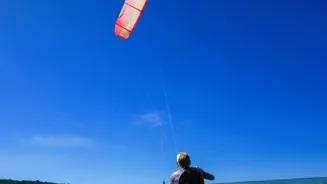
More Than Just Holding a String
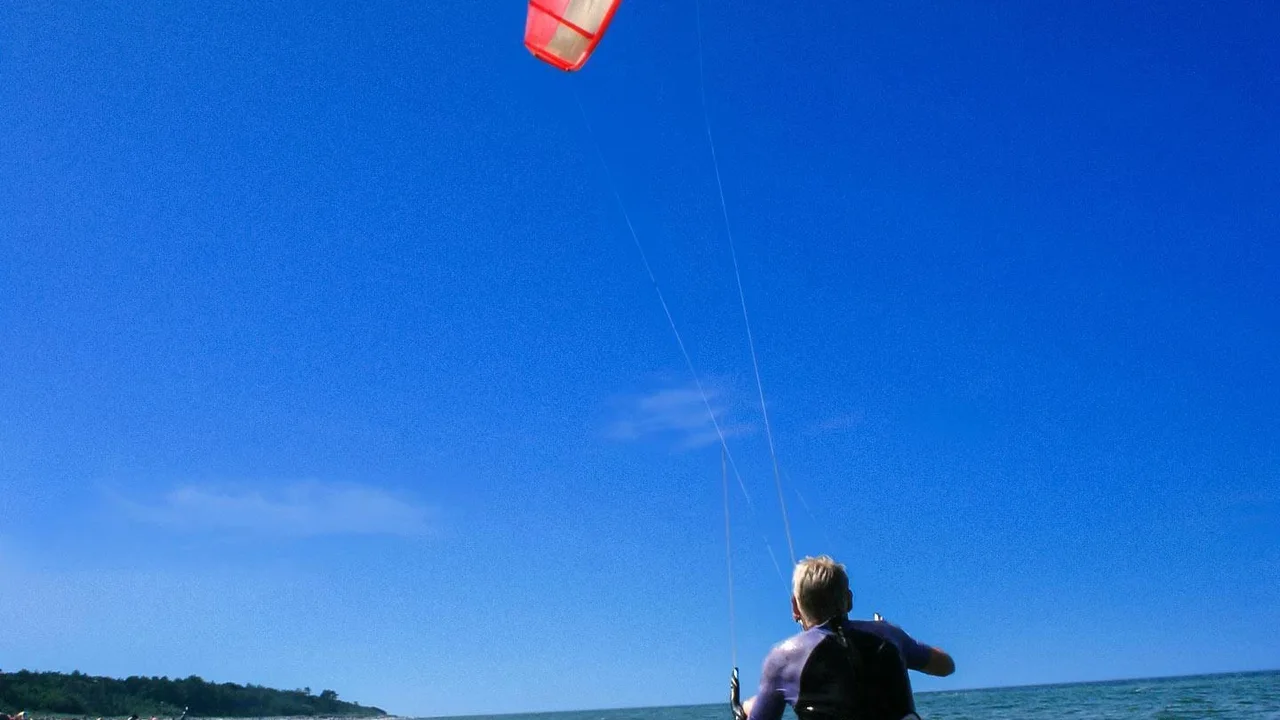
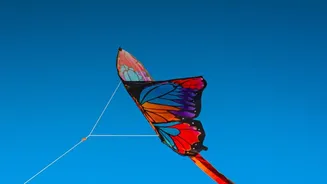
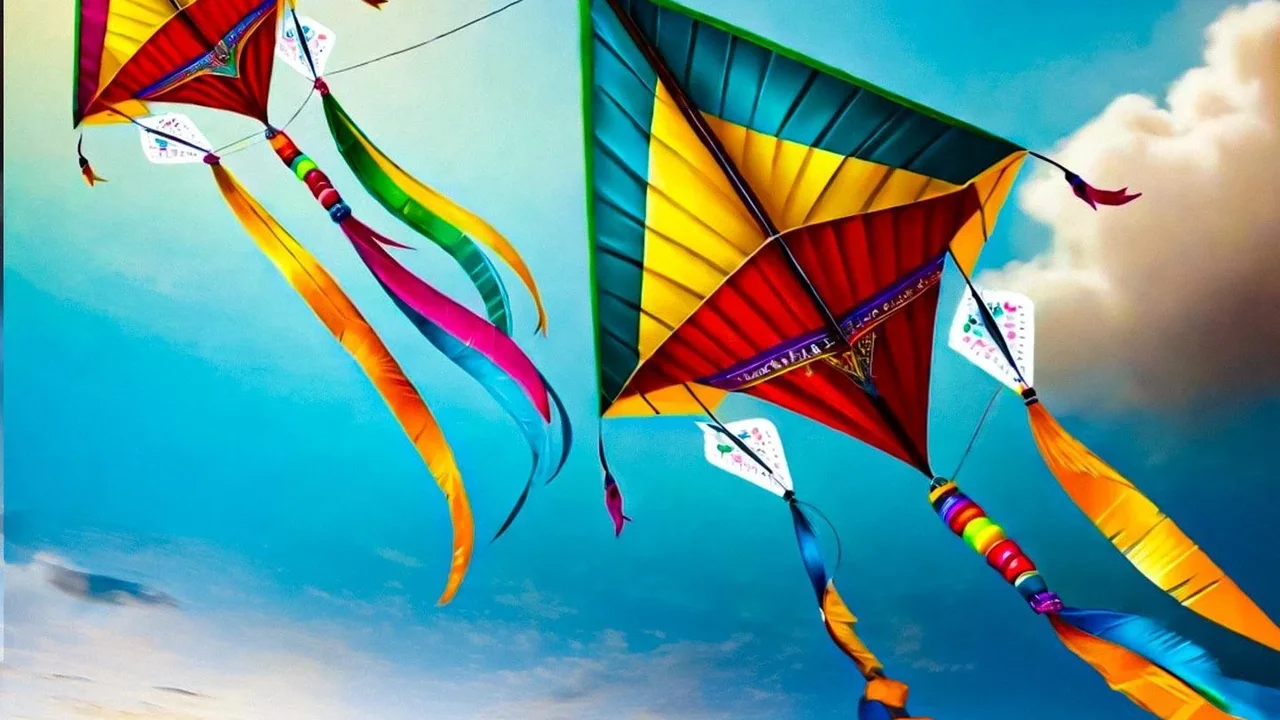
At its core, flying a kite is a masterclass in hand-eye coordination. Your eyes are constantly tracking the kite's position, speed, and reaction to the wind, sending a stream of information to your brain. Your hands, in turn, must respond with precise
adjustments to the line—tugging to gain altitude, releasing to adapt to a gust, and making subtle movements to steer. It’s a continuous feedback loop. The flyer must process visual cues from a distant object and translate them into immediate, coordinated physical actions. This dynamic process sharpens the connection between what we see and what we do, engaging both mind and body in a focused 'conversation' with the wind.
The Science in the Sky
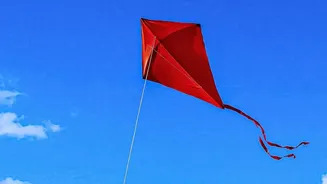
A kite doesn't just float; it flies based on aerodynamic principles, similar to an airplane. The key forces at play are lift, weight, drag, and the tension from your line. Wind flowing over the curved surface of the kite creates a pressure difference, generating lift that pushes the kite upward against gravity. Drag is the resistance from the air pulling it backward. Your role as the flyer is to manage the tension in the line, which counteracts drag and helps maintain the kite's angle against the wind, known as the 'angle of attack'. By pulling or releasing the line, you directly influence these forces, controlling the kite's climb and stability. This makes you an active participant in a delicate balancing act of physics.
A Workout for Your Brain and Body
The benefits of kite flying extend far beyond the simple fun of being outdoors. The activity is a gentle form of exercise that gets you moving, often involving walking or running to launch the kite and stay with it. It also helps improve posture by encouraging you to look up, stretching neck and shoulder muscles that are often cramped from staring at screens. For your eyes, tracking a distant kite against the sky is a healthy break from constant near-focus on phones and computers, which can help reduce eye fatigue. Furthermore, the constant adjustments required to keep the kite airborne enhance motor skills, balance, and spatial awareness.
The Mindful Aspect of Flying
In our fast-paced world, finding moments of focused calm can be a challenge. Kite flying offers a unique form of active mindfulness. To keep the kite soaring, you must be present and fully engaged with the wind and the kite's movements. This focus draws your attention away from daily stresses and anxieties, grounding you in the moment. Spending time in nature has been shown to reduce stress, and the combination of fresh air, open space, and the meditative act of watching a kite dance in the sky has a profoundly calming effect on the mind. It’s an opportunity to disconnect from digital distractions and reconnect with the natural world around you.
Getting Your Kite Off the Ground
Ready to give it a try? Success starts with the right conditions. Choose an open area like a park or beach, far from trees, power lines, and roads. A steady wind of about 8 to 25 km/h is ideal—strong enough to see leaves rustling, but not so strong that it's difficult to control the kite. To launch, stand with your back to the wind and hold your kite up. As the wind catches it, let the line out slowly. You may need to pull in on the line periodically to help the kite climb higher until it reaches the steadier winds found at higher altitudes. Remember that small, gentle adjustments are often more effective than large, sudden movements.