
The Hidden Danger of the Wrong Jar
It’s tempting to upcycle an old jam jar or a pretty drinking glass for your candle project. Unfortunately, not all glass is created equal. Most everyday glassware is not designed to handle the prolonged, direct heat of a candle flame. The primary risk
is a phenomenon called thermal shock. This occurs when different parts of the glass expand at different rates due to rapid temperature changes, causing the container to crack or even shatter. A cracked jar can spill hot, molten wax and a live flame onto your furniture, creating a serious fire hazard. Even a container that survives a few burns can fail on the next one, as each heating and cooling cycle adds cumulative stress to the material.
What Makes a Container 'Heat-Safe'?
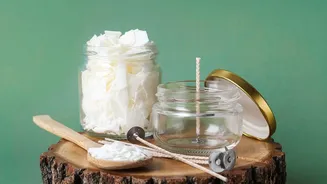
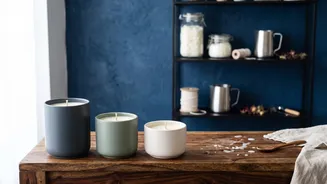
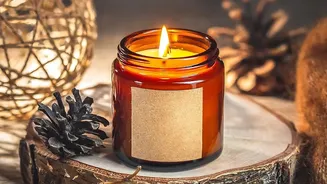
A truly heat-safe container for candle making has a few key characteristics. It should be made of non-combustible material specifically designed to withstand heat cycles. For glass, this means looking for vessels specifically sold for candle making, which are often made of tempered or borosilicate glass. These jars typically have thick walls and a substantial base to help distribute heat evenly. Canning jars, like those from Ball or Kerr, are also a reliable choice because they are designed to handle the high temperatures of the canning process. Glazed ceramic vessels that have been properly kiln-fired are another excellent, non-porous option. Seamless metal tins are also popular, though they can get very hot to the touch and require a heat-resistant surface underneath.
Containers You Should Absolutely Avoid
To keep your project safe, steer clear of certain types of containers. Never use thin or decorative glassware like wine glasses or vases. Avoid any glass that has existing chips or cracks, as these are weak points that are almost certain to fail under heat. Repurposed food jars can be risky because you can't be sure of their composition or whether they have microscopic weaknesses. Porous materials like unglazed terracotta are also unsuitable, as wax can seep into the material, affecting the burn and potentially weakening the structure. Finally, never use any container made of wood, plastic (unless it's a mould, not the final burning vessel), or any other flammable material.
Choosing an Appropriate Mould
If you're making freestanding pillar candles instead of container candles, you'll need a mould. The best moulds are durable, flexible, and can handle high temperatures. Silicone is a top choice for many candle makers, especially for intricate or complex shapes, because the candles are very easy to remove once set. Silicone moulds are also long-lasting and don't require any release agents. Metal and acrylic moulds are better suited for classic, simple shapes like traditional pillars and tapers. While very durable, these rigid moulds can be less forgiving for detailed designs. If using an acrylic mould, adding stearic acid to your wax can help the finished candle slide out more easily, but this additive can damage silicone moulds over time.
Final Safety Checks Before You Pour
Before committing your hot wax to a container, perform a quick inspection. Run your fingers along the rim and base to check for any chips or hairline cracks. Ensure the container is on a stable, heat-resistant surface away from any flammable items like curtains or papers. The workspace should be clean, organised, and well-ventilated to avoid inhaling strong fragrance fumes. And it's always wise to have a fire extinguisher nearby, just in case. Remember that water and wax fires do not mix; using water can cause the hot wax to splatter aggressively.