




The Science of Flavour
The incredible aroma and taste of fresh herbs come from their volatile oils. These oils are delicate compounds that can easily evaporate when exposed to heat. Think of it like a perfume; the scent is powerful at first but fades over time, especially in a warm
room. The same principle applies in your kitchen. Prolonged cooking can cause these flavourful oils to break down and dissipate, leaving you with a shadow of the herb's intended taste. The goal, therefore, is to manage heat exposure based on the type of herb you're using to ensure its flavour infuses your dish perfectly.
Delicate Herbs: The Finishers
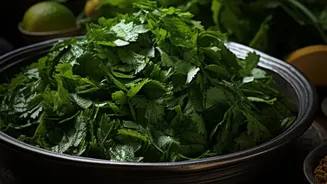
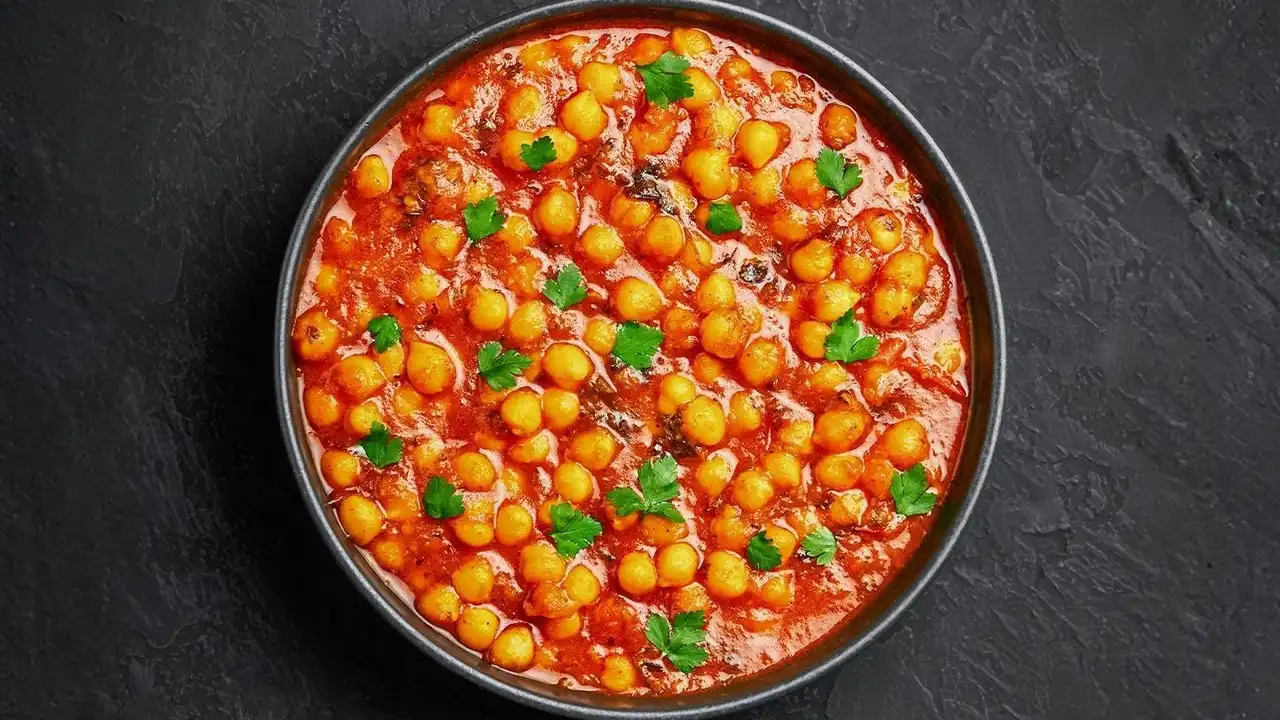
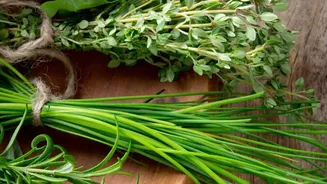
Delicate, soft-stemmed herbs are the sprinters of the culinary world. This group includes popular choices like parsley, basil, cilantro, dill, and mint. Their leaves are tender and packed with moisture, making them susceptible to wilting and losing their bright, nuanced flavours quickly when cooked. To get the most out of these herbs, they should be added during the final moments of cooking—often in the last minute or two—or used as a fresh garnish just before serving. This minimal exposure to heat preserves their fresh, vibrant character. Stirring fresh basil into a pasta sauce as you take it off the stove or scattering cilantro over a hot curry just before it hits the table ensures their flavours remain bright and distinct.
Hardy Herbs: The Marathon Runners
On the other end of the spectrum are hardy herbs. These are typically identifiable by their tough, woody stems and more robust leaves. Think of rosemary, thyme, oregano, and sage. Unlike their delicate cousins, the flavours in these herbs are more resilient and actually benefit from a longer cooking time. Adding them at the beginning of the cooking process—for example, while sautéing aromatics for a soup or stew—allows heat to slowly break them down and release their deeper, earthier flavours, infusing the entire dish. A sprig of thyme or rosemary added to a roast or braise will soften and impart its essence over hours, something that wouldn't happen if you just tossed it on at the end.
A Practical Timeline for Flavour
As a general rule, the structure of the herb tells you what to do. If it has a soft stem and tender leaves, add it at the end. If it has a woody stem, it can go in early. For dishes with long simmer times, like stews or stocks, hardy herbs like thyme or bay leaves can be added with the liquid. For a 30-minute sauce, you might add them in the last 10 to 20 minutes to prevent the flavour from becoming overpowering. Delicate herbs should almost always be reserved for the final minute of cooking or as a garnish, regardless of the dish. This simple distinction is one of the easiest ways to elevate your everyday cooking from routine to remarkable.
Exceptions to the Rule
Of course, cooking is as much an art as it is a science, and there are exceptions. Some herbs have dual personalities. For instance, cilantro stems are more fibrous and can be added earlier in cooking, almost like a hardy herb, while the delicate leaves should be saved for the end. Some recipes call for using both dried and fresh versions of the same herb; the dried version goes in early to build a flavour base, and the fresh is used at the end to add a bright, aromatic lift. Furthermore, this rule has less impact in cold dishes like salsas or dips where there is no heat involved. However, even then, adding soft herbs like cilantro just before serving can ensure they look and taste their best.